













Health A–Z guide
Orthodontics
Orthodontics: Understanding the Science and Care Behind a Healthy Smile
A straight, well-aligned smile is often associated with confidence and beauty—but orthodontics is about much more than aesthetics. Orthodontics is a specialized branch of dentistry focused on diagnosing, preventing, and…
Table of Contents
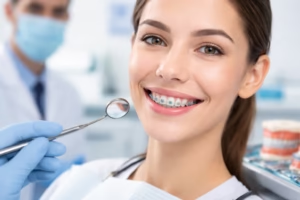
A straight, well-aligned smile is often associated with confidence and beauty—but orthodontics is about much more than aesthetics. Orthodontics is a specialized branch of dentistry focused on diagnosing, preventing, and correcting misaligned teeth and jaws. Proper alignment can significantly improve oral health, speech, chewing function, and overall well-being.
Whether for children, teenagers, or adults, orthodontic care plays a critical role in supporting long-term dental health. This article explores the fundamentals of orthodontics, including causes of alignment issues, symptoms, diagnostic methods, treatment options, and preventive considerations.
Overview / Definition
Orthodontics is a dental specialty concerned with the correction of irregularities in the teeth and jaw structure. Specialists in this field are known as orthodontists, who complete additional years of education beyond general dentistry to focus on tooth movement and facial development.
Common orthodontic problems include:
- Malocclusion (improper bite)
- Crowded teeth
- Spacing issues (gaps between teeth)
- Overbite (upper teeth excessively overlap lower teeth)
- Underbite (lower teeth extend beyond upper teeth)
- Crossbite (misaligned upper and lower teeth)
- Open bite (front teeth don’t meet when the mouth closes)
Treatment typically involves appliances such as braces, clear aligners, retainers, and other corrective devices designed to gradually reposition teeth and guide jaw growth where necessary.
Causes or Risk Factors
Orthodontic problems can arise from a variety of genetic and environmental factors.
1. Genetic Factors
Many alignment issues are inherited. For example:
- Jaw size discrepancies
- Crowded or spaced teeth
- Overbite or underbite tendencies
If parents required orthodontic treatment, their children may also be at higher risk.
2. Developmental and Behavioral Factors
Certain childhood habits and developmental patterns can influence dental alignment:
- Prolonged thumb sucking
- Extended pacifier use
- Tongue thrusting
- Mouth breathing
- Early or delayed loss of baby teeth
3. Injury or Trauma
Facial injuries can affect jaw growth or alter tooth position, leading to misalignment.
4. Dental Health Issues
Untreated cavities or premature tooth loss can allow neighboring teeth to shift, resulting in alignment problems.
Symptoms or Clinical Presentation
Orthodontic issues may be apparent visually or identified during routine dental examinations. Common signs include:
- Crooked, crowded, or protruding teeth
- Difficulty biting or chewing
- Jaw clicking, shifting, or pain
- Frequent biting of the inner cheeks or tongue
- Speech difficulties in some cases
- Gaps or irregular spacing between teeth
In children, early signs may include difficulty chewing, thumb sucking habits persisting beyond infancy, or noticeable bite irregularities.
Not all misalignments cause pain or obvious symptoms, which is why regular dental evaluations are essential.
Diagnosis or Screening
Orthodontic evaluation often begins during childhood. The American Association of Orthodontists recommends that children receive their first orthodontic check-up by age 7, although treatment may not be needed at that time.
Diagnostic Tools May Include:
- Clinical examination of teeth and jaw alignment
- Dental X-rays to assess tooth roots, jawbone structure, and developing teeth
- Photographs of the face and teeth
- Dental impressions or digital scans to create models of the bite
These assessments allow orthodontists to determine:
- The presence and severity of malocclusion
- Whether early intervention is needed
- The most appropriate treatment approach and timing
Treatment or Management Options
Orthodontic treatment aims to correct alignment, improve function, and enhance oral health. The specific plan depends on the severity of the condition, the patient’s age, and underlying skeletal issues.
1. Braces (Fixed Appliances)
Traditional braces consist of brackets attached to teeth connected by an archwire that applies gentle pressure over time.
Types include:
- Metal braces
- Ceramic (tooth-colored) braces
- Self-ligating braces
Braces are highly effective for complex cases and typically require treatment durations of 12–24 months.
2. Clear Aligners
Clear aligners (e.g., Invisalign) are removable, transparent trays that gradually shift teeth. They are popular among teens and adults seeking a discreet option.
Advantages:
- Removable for eating and cleaning
- More aesthetically pleasing
- Generally more comfortable
However, they require consistent wear (usually 20–22 hours per day) and may not be suitable for all complex cases.
3. Palatal Expanders
Primarily used in children, expanders widen the upper jaw to correct crossbites and create space for crowded teeth.
4. Retainers
After active treatment, retainers maintain tooth positions and prevent relapse. Long-term retainer use is often recommended.
5. Orthognathic (Jaw) Surgery
In severe cases involving significant jaw misalignment, surgical correction combined with orthodontics may be required.
Prevention or Lifestyle Considerations
While not all orthodontic issues can be prevented, certain early interventions and habits may reduce risk.
For Parents:
- Encourage discontinuation of thumb sucking by age 3–4
- Schedule regular dental check-ups
- Monitor early loss or delayed shedding of baby teeth
For Adolescents and Adults:
- Maintain excellent oral hygiene during orthodontic treatment
- Avoid hard, sticky foods that can damage braces
- Wear retainers as prescribed after treatment
Good oral care during treatment is essential because braces or aligners can increase the risk of plaque buildup and tooth decay.
Benefits of Orthodontic Treatment
Beyond cosmetic improvement, orthodontics offers significant health benefits:
- Improved chewing efficiency
- Easier cleaning and reduced risk of cavities
- Lower risk of gum disease
- Reduced strain on jaw muscles and joints
- Enhanced speech function in certain cases
Correct alignment can contribute to long-term dental stability and overall oral function.
Conclusion
Orthodontics is a specialized field dedicated to diagnosing, preventing, and treating misaligned teeth and jaws. From traditional braces to modern clear aligners, a range of evidence-based treatment options exist to address both cosmetic and functional concerns.
Early evaluation, especially during childhood, can help identify potential problems before they worsen. However, orthodontic care is beneficial at almost any age. Proper alignment not only enhances appearance but also supports long-term oral health and function.
If you have concerns about your bite, tooth alignment, or jaw positioning, consult a qualified dentist or orthodontist for a comprehensive evaluation.
Disclaimer:
This article is for educational purposes only and does not constitute medical advice. Individuals with dental or orthodontic concerns should consult a licensed dentist or orthodontic specialist for personalized evaluation and treatment recommendations.
Was this page helpful?
Thanks for your feedback! What could we improve?
Thank you! Your feedback helps us improve our guides.
Our Health A–Z guides are written by the True Impact Health Editorial Team and based on reliable sources such as public health agencies, clinical guidelines and peer-reviewed research. This guide has not yet been medically reviewed. Read our editorial process.
This content is for general information and is not a substitute for professional medical advice, diagnosis or treatment.