















Health A–Z guide
Oral Cancer
Oral Cancer: Signs, Causes, Diagnosis, and Treatment
Oral cancer is a serious yet often preventable disease that affects thousands of people worldwide each year. It develops in the tissues of the mouth or throat and can significantly…
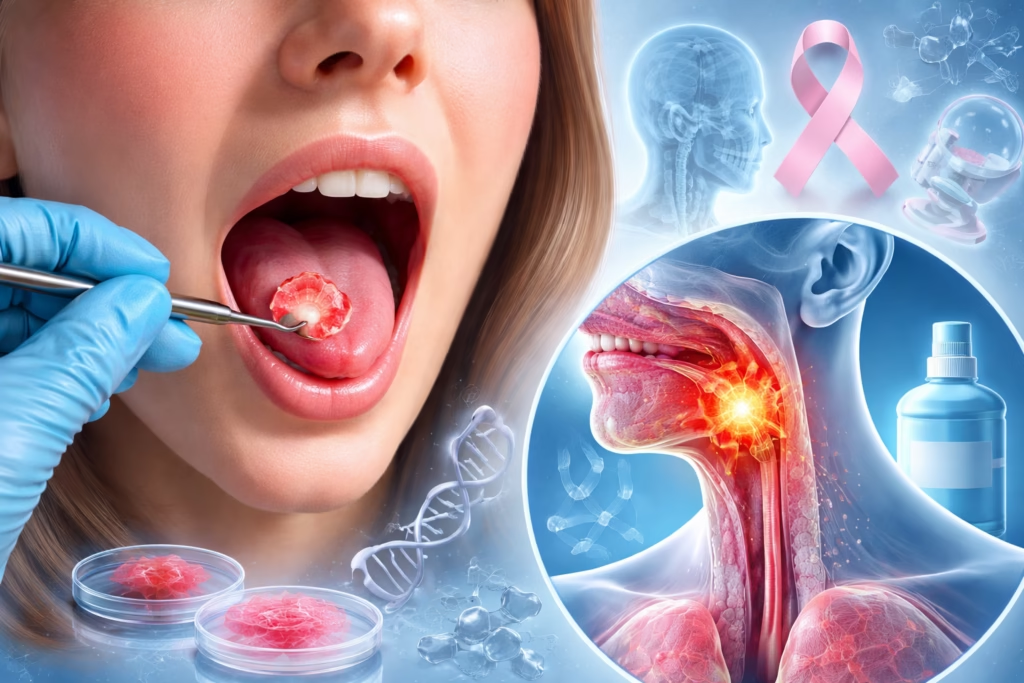
Table of Contents
Oral cancer is a serious yet often preventable disease that affects thousands of people worldwide each year. It develops in the tissues of the mouth or throat and can significantly impact speaking, eating, and overall quality of life if not detected early. Fortunately, awareness of risk factors, symptoms, and screening options can improve outcomes through early diagnosis and prompt treatment.
This article provides a comprehensive overview of oral cancer, including its causes, warning signs, diagnostic methods, treatment options, and prevention strategies.
Overview: What Is Oral Cancer?
Oral cancer refers to cancers that develop in the tissues of the mouth (oral cavity) or the oropharynx (part of the throat just behind the mouth). It is commonly classified as a type of head and neck cancer.
Oral cancer can develop in several areas, including:
- Lips
- Tongue
- Gums
- Inner lining of the cheeks
- Floor of the mouth (under the tongue)
- Roof of the mouth (hard and soft palate)
- Tonsils
- Back of the throat
Most oral cancers are squamous cell carcinomas, meaning they begin in the thin, flat cells lining the oral cavity.
Early detection significantly improves survival rates, making education and routine screening especially important.
Causes and Risk Factors
Oral cancer develops when mutations occur in the DNA of cells in the mouth, causing them to grow uncontrollably. Several risk factors are strongly associated with this process.
Major Risk Factors
- Tobacco use (smoking cigarettes, cigars, pipes, and smokeless tobacco)
- Excessive alcohol consumption
- Human papillomavirus (HPV) infection, especially HPV-16
- Betel quid or areca nut chewing (common in some regions)
- Prolonged sun exposure (particularly linked to lip cancer)
Additional Risk Factors
- Age over 40 (though HPV-related cases are increasingly seen in younger individuals)
- Male gender
- Poor oral hygiene
- Chronic irritation (e.g., ill-fitting dentures, though this alone is not a direct cause)
- Diet low in fruits and vegetables
- Weakened immune system
Some individuals may develop oral cancer without clear risk factors, underscoring the importance of awareness and routine examinations.
Symptoms and Clinical Presentation
In its early stages, oral cancer may cause minimal or no discomfort, which can delay diagnosis. Recognizing persistent changes is critical.
Common Warning Signs
- A sore in the mouth that does not heal within two weeks
- Persistent mouth pain
- A lump or thickening in the cheek
- White patches (leukoplakia) or red patches (erythroplakia) inside the mouth
- Difficulty chewing or swallowing
- Persistent sore throat
- Numbness of the tongue or other areas of the mouth
- Hoarseness or changes in voice
- Swelling of the jaw
- Unexplained loose teeth
Red or white patches are particularly important because some may represent precancerous changes.
If symptoms persist for more than two weeks, evaluation by a healthcare professional is recommended.
Diagnosis and Screening
Clinical Examination
Dentists and primary care providers often play a vital role in early detection. During routine dental check-ups, professionals examine the:
- Lips
- Tongue
- Floor and roof of the mouth
- Throat
- Neck (for enlarged lymph nodes)
Biopsy
If an abnormal area is found, a biopsy is performed. This involves removing a small sample of tissue to examine under a microscope. A biopsy is the only definitive way to diagnose oral cancer.
Imaging Tests
If cancer is confirmed, imaging tests help determine whether it has spread (staging):
- CT scan
- MRI
- PET scan
- Ultrasound
- Chest X-ray
Screening
There is no universal population-wide screening test for oral cancer. However, regular dental visits significantly increase the chance of early detection, particularly for high-risk individuals.
Treatment and Management Options
Treatment depends on:
- The cancer’s stage
- Location
- Size
- Whether it has spread
- The patient’s overall health
Most cases are treated using one or a combination of the following approaches:
1. Surgery
- Removal of the tumor
- Possible removal of affected lymph nodes in the neck
- Reconstructive surgery may be required in more extensive cases
2. Radiation Therapy
- Uses high-energy beams to kill cancer cells
- May be used alone in early-stage disease
- Often combined with surgery or chemotherapy in advanced cases
3. Chemotherapy
- Uses medications to kill or slow cancer growth
- Often combined with radiation (chemoradiation)
- Typically used for advanced stages
4. Targeted Therapy and Immunotherapy
- Targeted drugs focus on specific cancer cell mechanisms
- Immunotherapy may help the immune system recognize and attack cancer cells
- Used in select advanced or recurrent cases
Rehabilitation and Supportive Care
Treatment may affect speech, swallowing, and appearance. Rehabilitation may include:
- Speech therapy
- Nutritional support
- Dental reconstruction
- Psychological counseling
Early-stage oral cancer has a significantly better survival rate than advanced-stage disease. Prompt diagnosis is key to improving outcomes.
Prevention and Lifestyle Considerations
While not all cases are preventable, several strategies can substantially reduce risk.
Risk Reduction Strategies
- Avoid tobacco in all forms
- Limit alcohol consumption
- Receive HPV vaccination (according to public health guidelines)
- Maintain good oral hygiene
- Eat a diet rich in fruits and vegetables
- Use lip protection (SPF lip balm for sun exposure)
- Schedule regular dental check-ups
Combining tobacco and alcohol significantly increases risk, making lifestyle modification one of the most powerful preventive tools available.
Conclusion
Oral cancer is a potentially life-threatening disease, but early detection dramatically improves treatment outcomes. Understanding the risk factors—particularly tobacco use, alcohol consumption, and HPV infection—can help individuals make informed decisions about prevention.
Being aware of persistent mouth sores, red or white patches, lumps, or swallowing difficulties can lead to earlier diagnosis and more effective treatment. Regular dental exams play a crucial role in identifying suspicious changes before they become advanced.
If you notice any unusual or persistent symptoms in your mouth or throat, it is important to seek evaluation from a qualified healthcare professional.
Disclaimer:
This article is for educational purposes only and does not constitute medical advice. For personalized guidance, diagnosis, or treatment, please consult a qualified healthcare provider or dental professional.
Was this page helpful?
Thanks for your feedback! What could we improve?
Thank you! Your feedback helps us improve our guides.
Our Health A–Z guides are written by the True Impact Health Editorial Team and based on reliable sources such as public health agencies, clinical guidelines and peer-reviewed research. This guide has not yet been medically reviewed. Read our editorial process.
This content is for general information and is not a substitute for professional medical advice, diagnosis or treatment.