















Health A–Z guide
Multiple Myeloma
Multiple Myeloma: Understanding a Complex Blood Cancer
Multiple myeloma is a type of blood cancer that affects a specific group of white blood cells known as plasma cells. While the term may sound unfamiliar or intimidating, understanding…
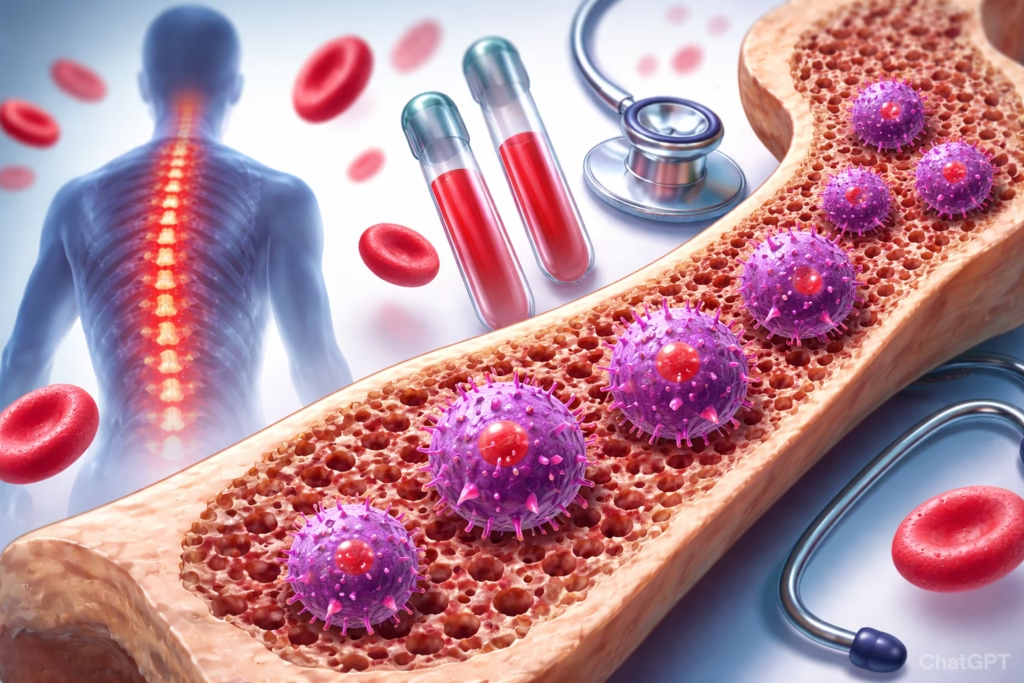
Table of Contents
Multiple myeloma is a type of blood cancer that affects a specific group of white blood cells known as plasma cells. While the term may sound unfamiliar or intimidating, understanding the condition—its causes, symptoms, and treatments—can help demystify it and empower patients and caregivers with knowledge.
In this article, we’ll explore what multiple myeloma is, how it develops, how it’s diagnosed and treated, and what lifestyle considerations may support overall well-being.
Overview: What Is Multiple Myeloma?
Multiple myeloma is a cancer of plasma cells, which are found in the bone marrow. Plasma cells are a vital part of the immune system. They produce antibodies (also called immunoglobulins) that help the body fight infections.
In multiple myeloma:
- Cancerous plasma cells multiply uncontrollably.
- They crowd out healthy blood-forming cells in the bone marrow.
- They produce abnormal proteins (often called monoclonal proteins or M-proteins).
- They can cause damage to bones, kidneys, and other organs.
The term “multiple” refers to the fact that the disease often affects multiple areas of bone marrow throughout the body.
Multiple myeloma is considered a chronic, treatable—but generally not curable—condition. Advances in therapy over the past two decades have significantly improved survival rates and quality of life.
Causes and Risk Factors
The exact cause of multiple myeloma is not fully understood. Like many cancers, it develops due to genetic mutations in cells that allow them to grow and divide uncontrollably.
Known Risk Factors
Several factors are associated with an increased risk:
- Age: Most commonly diagnosed in people over age 65.
- Sex: Slightly more common in men.
- Race: Higher incidence in Black individuals compared to other racial groups.
- Family history: A close relative with multiple myeloma may slightly increase risk.
- Monoclonal gammopathy of undetermined significance (MGUS): A benign but abnormal plasma cell condition that can progress to multiple myeloma in some individuals.
- Radiation exposure: Prior exposure may increase risk.
- Obesity: Research suggests a possible association.
Importantly, having one or more risk factors does not mean someone will develop the disease.
Symptoms and Clinical Presentation
Symptoms can vary widely and may develop gradually. In some cases, multiple myeloma is discovered during routine blood tests before symptoms appear.
A helpful acronym used by healthcare professionals is CRAB, representing common complications:
- C – Calcium elevation (hypercalcemia)
- Nausea
- Constipation
- Frequent urination
- Confusion
- R – Renal (kidney) impairment
- Fatigue
- Swelling
- Abnormal blood test results
- A – Anemia
- Fatigue
- Weakness
- Shortness of breath
- B – Bone lesions or bone pain
- Persistent back or rib pain
- Fractures with minimal trauma
Additional symptoms may include:
- Frequent infections
- Unexplained weight loss
- Numbness or weakness (if nerves are affected)
Some individuals have smoldering multiple myeloma, an early, asymptomatic phase that does not yet cause organ damage but requires careful monitoring.
Diagnosis and Screening
There is no standard population-wide screening test for multiple myeloma. Diagnosis typically occurs after abnormal laboratory results or evaluation of symptoms.
Common Diagnostic Tests
Blood Tests
- Complete blood count (CBC)
- Serum protein electrophoresis (SPEP)
- Immunofixation
- Free light chain assay
- Calcium and kidney function tests
Urine Tests
- Urine protein electrophoresis (UPEP) to detect abnormal proteins
Bone Marrow Biopsy
- Confirms the presence and percentage of abnormal plasma cells
Imaging Studies
- X-rays
- MRI
- CT scans
- PET scans
These tests help determine:
- Whether multiple myeloma is present
- The extent of bone involvement
- The degree of organ damage
Staging systems, such as the Revised International Staging System (R-ISS), assess disease severity and help guide treatment planning.
Treatment and Management Options
Treatment depends on several factors, including:
- Stage of disease
- Symptoms
- Patient age
- Overall health
When Is Treatment Started?
Immediate treatment is typically started in symptomatic multiple myeloma. Those with smoldering myeloma are often monitored closely unless high-risk features are present.
Common Treatment Approaches
1. Targeted Therapy
Medications that interfere with specific cancer cell processes.
Examples include:
- Proteasome inhibitors (e.g., bortezomib)
- Immunomodulatory drugs (e.g., lenalidomide)
2. Immunotherapy
Treatments that help the immune system recognize and attack myeloma cells, such as:
- Monoclonal antibodies (e.g., daratumumab)
- CAR T-cell therapy (for certain patients)
3. Chemotherapy
Used alone or in combination with other drugs to kill rapidly dividing cells.
4. Corticosteroids
Often combined with other therapies to enhance their effectiveness.
5. Stem Cell Transplant
Autologous stem cell transplant (using the patient’s own cells) is a common approach in eligible patients after initial therapy.
6. Radiation Therapy
Used to:
- Treat localized bone pain
- Reduce tumor burden in specific areas
Supportive Care
Managing complications is an essential part of treatment:
- Bisphosphonates for bone protection
- Hydration and medications for kidney support
- Antibiotics or antiviral medications for infection prevention
- Pain management strategies
With modern therapy combinations, many patients achieve prolonged remission.
Prevention and Lifestyle Considerations
There is currently no proven way to prevent multiple myeloma.
However, certain lifestyle practices may support overall health during and after treatment:
- Maintaining a healthy weight
- Engaging in regular, moderate physical activity (as tolerated)
- Eating a balanced diet rich in fruits, vegetables, lean protein, and whole grains
- Avoiding tobacco
- Staying current with recommended vaccinations (under medical guidance)
Patients with MGUS or smoldering myeloma should attend regular follow-up appointments to monitor for progression.
Importantly, lifestyle measures do not replace medical treatment but can complement comprehensive care.
Conclusion
Multiple myeloma is a complex blood cancer that affects plasma cells in the bone marrow. While the disease can cause serious complications—including bone damage, kidney problems, and anemia—significant advances in diagnosis and treatment have improved outcomes and extended survival.
Early detection, individualized therapy, and ongoing monitoring are critical components of effective management. With modern therapeutic options—including targeted therapies, immunotherapy, and stem cell transplantation—many patients are living longer and with better quality of life than ever before.
Disclaimer:
This article is intended for educational purposes only and does not constitute medical advice. If you have symptoms or concerns about multiple myeloma or any other medical condition, please consult a qualified healthcare professional for personalized evaluation and guidance.
Was this page helpful?
Thanks for your feedback! What could we improve?
Thank you! Your feedback helps us improve our guides.
Our Health A–Z guides are written by the True Impact Health Editorial Team and based on reliable sources such as public health agencies, clinical guidelines and peer-reviewed research. This guide has not yet been medically reviewed. Read our editorial process.
This content is for general information and is not a substitute for professional medical advice, diagnosis or treatment.