










Health A–Z guide
Menopause
Menopause: Understanding a Natural Life Transition
Menopause is a natural biological process that marks the end of a woman’s menstrual cycles and reproductive years. While it is a normal stage of aging, it often brings physical,…
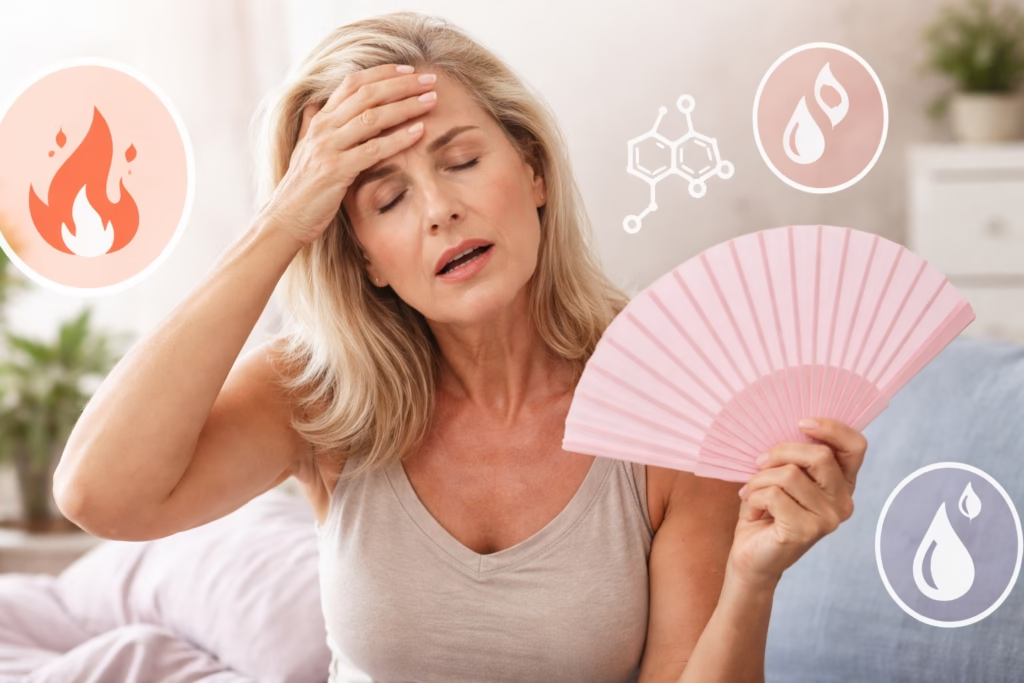
Table of Contents
Menopause is a natural biological process that marks the end of a woman’s menstrual cycles and reproductive years. While it is a normal stage of aging, it often brings physical, emotional, and hormonal changes that can significantly impact daily life. Understanding menopause—what it is, why it happens, and how it can be managed—helps individuals navigate this transition with greater confidence and clarity.
This article provides a comprehensive, medically accurate overview of menopause, including symptoms, diagnosis, management options, and evidence-based lifestyle strategies.
Overview / Definition
Menopause is defined as the permanent cessation of menstruation, confirmed after 12 consecutive months without a menstrual period, in the absence of other medical causes.
It typically occurs between the ages of 45 and 55, with the average age around 51 years. The transition does not happen suddenly; it unfolds in stages:
- Perimenopause – The transitional phase leading up to menopause, characterized by hormonal fluctuations and irregular periods.
- Menopause – The point at which a woman has gone 12 months without menstruation.
- Postmenopause – The years following menopause, when symptoms may persist but reproductive hormone levels remain consistently low.
Menopause is a natural life event—not a disease—but it can increase the risk of certain health conditions.
Causes and Risk Factors
Primary Cause
Menopause occurs due to a decline in ovarian function, leading to reduced production of estrogen and progesterone. Over time, the ovaries stop releasing eggs and menstrual cycles cease.
Types of Menopause
- Natural menopause – Occurs as part of aging.
- Early menopause – Occurs before age 45.
- Premature menopause (Primary Ovarian Insufficiency) – Occurs before age 40.
- Induced menopause – Caused by surgery (removal of ovaries), chemotherapy, radiation, or certain medications.
Risk Factors for Earlier Menopause
- Smoking
- Family history of early menopause
- Certain autoimmune disorders
- Cancer treatments
- Surgical removal of ovaries
Symptoms and Clinical Presentation
Symptoms vary widely in intensity and duration. Some individuals experience minimal discomfort, while others have significant changes affecting quality of life.
Common Symptoms
Vasomotor Symptoms
- Hot flashes
- Night sweats
- Flushing
Menstrual Changes
- Irregular cycles
- Heavier or lighter bleeding
- Skipped periods
Genitourinary Symptoms
- Vaginal dryness
- Pain during intercourse
- Increased urinary frequency or urgency
- Recurrent urinary tract infections
Psychological and Cognitive Changes
- Mood swings
- Irritability
- Anxiety
- Depression
- Difficulty concentrating (“brain fog”)
Sleep Disturbances
- Insomnia
- Frequent nighttime awakening
Long-Term Health Changes
- Bone loss (osteoporosis risk)
- Increased cardiovascular risk
- Changes in cholesterol levels
Not all symptoms occur in every individual, and severity can vary.
Diagnosis and Screening
How Menopause Is Diagnosed
For women over 45, menopause is typically diagnosed based on:
- Age
- Symptom history
- 12 consecutive months without menstruation
Hormone testing (such as follicle-stimulating hormone or FSH levels) is not routinely required but may be helpful in:
- Early or premature menopause
- Women with unclear menstrual histories
- Those who have had a hysterectomy without ovary removal
Recommended Health Screenings During and After Menopause
Because menopause increases certain health risks, routine screening becomes especially important:
- Bone density testing (DEXA scan) for osteoporosis
- Blood pressure monitoring
- Cholesterol screening
- Diabetes screening
- Breast and cervical cancer screening
Treatment and Management Options
Management depends on symptom severity, health history, and personal preference. Treatment should always be guided by a qualified healthcare provider.
1. Hormone Therapy (HT)
Hormone therapy—also called menopausal hormone therapy (MHT)—is the most effective treatment for hot flashes and vaginal symptoms.
It may include:
- Estrogen alone (for women without a uterus)
- Estrogen plus progesterone (for women with a uterus)
Benefits:
- Reduces hot flashes and night sweats
- Improves vaginal dryness
- Helps prevent bone loss
Risks may include:
- Increased risk of blood clots
- Stroke
- Breast cancer (depending on type and duration)
The risks and benefits vary by individual and age, particularly when started before age 60 or within 10 years of menopause.
2. Non-Hormonal Medications
For individuals who cannot or prefer not to use hormone therapy:
- Certain antidepressants (SSRIs/SNRIs) to reduce hot flashes
- Gabapentin for night sweats
- Clonidine for vasomotor symptoms
- Vaginal moisturizers or low-dose vaginal estrogen for dryness
3. Lifestyle and Supportive Management
Many symptoms can be improved with behavioral and environmental adjustments.
- Dress in layers to manage hot flashes
- Maintain a cool sleep environment
- Engage in regular physical activity
- Practice stress reduction techniques (yoga, mindfulness, deep breathing)
- Maintain a consistent sleep schedule
Prevention and Lifestyle Considerations
While menopause itself cannot be prevented, long-term health risks associated with it can be reduced.
Bone Health
- Adequate calcium intake (1,000–1,200 mg daily)
- Vitamin D supplementation if deficient
- Weight-bearing exercises (walking, strength training)
- Avoid smoking and excessive alcohol
Heart Health
- Balanced diet rich in fruits, vegetables, and whole grains
- Regular aerobic exercise
- Weight management
- Blood pressure and cholesterol control
Mental and Emotional Well-Being
- Social support networks
- Cognitive behavioral therapy (if needed)
- Professional mental health support when symptoms interfere with daily life
When to Seek Medical Evaluation
Medical attention is recommended if you experience:
- Heavy or prolonged abnormal bleeding
- Bleeding after menopause
- Severe mood symptoms
- Persistent pelvic pain
- Sudden or early onset menopause
These may indicate conditions other than natural menopause and require evaluation.
Conclusion
Menopause is a natural and expected phase of life characterized by the permanent end of menstruation and a decline in reproductive hormones. While it can bring uncomfortable symptoms such as hot flashes, mood changes, and sleep disturbances, a wide range of evidence-based treatments and lifestyle strategies are available to support well-being.
Understanding the physical and emotional changes associated with menopause empowers individuals to manage symptoms proactively and protect long-term health—particularly bone and cardiovascular health.
Disclaimer
This article is for educational purposes only and does not constitute medical advice. Individuals experiencing symptoms consistent with menopause or related health concerns should consult a qualified healthcare professional for personalized evaluation and treatment recommendations.
Was this page helpful?
Thanks for your feedback! What could we improve?
Thank you! Your feedback helps us improve our guides.
Our Health A–Z guides are written by the True Impact Health Editorial Team and based on reliable sources such as public health agencies, clinical guidelines and peer-reviewed research. This guide has not yet been medically reviewed. Read our editorial process.
This content is for general information and is not a substitute for professional medical advice, diagnosis or treatment.