












Health A–Z guide
Meningitis
Meningitis: Causes, Symptoms, Treatment, and Prevention
Meningitis is a serious medical condition that requires urgent attention. It involves inflammation of the protective membranes covering the brain and spinal cord and can progress rapidly if untreated. While…
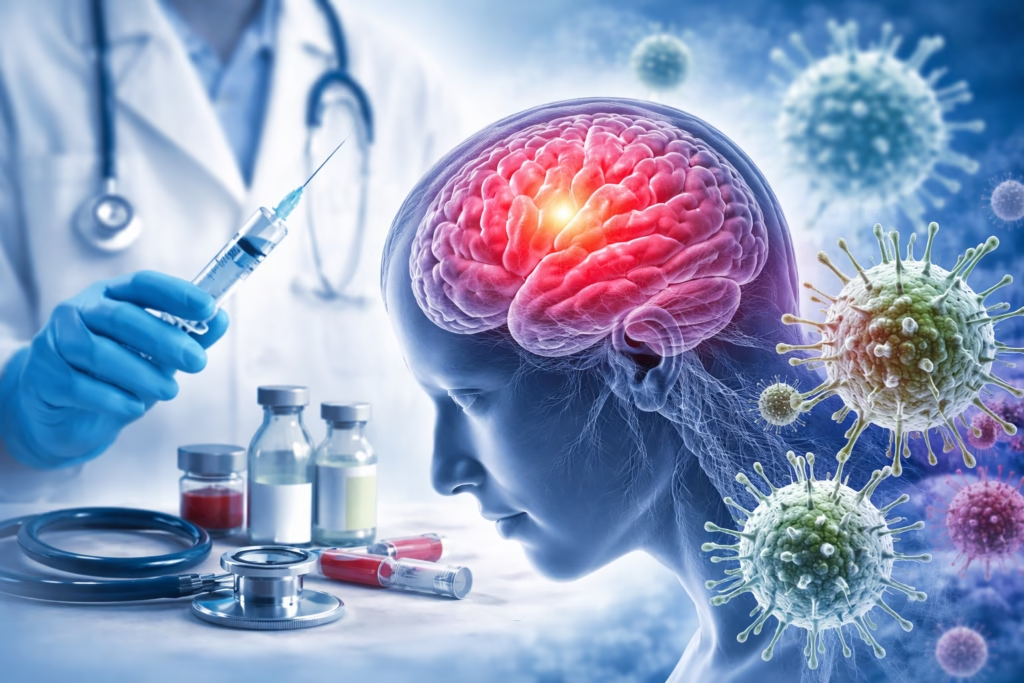
Table of Contents
Meningitis is a serious medical condition that requires urgent attention. It involves inflammation of the protective membranes covering the brain and spinal cord and can progress rapidly if untreated. While some forms are mild, others can be life-threatening within hours. Understanding the causes, warning signs, and how meningitis is diagnosed and treated can help improve outcomes and save lives.
This article provides a clear, evidence-based overview of meningitis, its symptoms, management, and ways to reduce risk.
Overview / Definition
Meningitis is the inflammation of the meninges, the thin membranes that surround and protect the brain and spinal cord. The inflammation is usually caused by an infection, though non-infectious causes also exist.
There are several types of meningitis, including:
- Bacterial meningitis – A serious and potentially fatal form requiring immediate medical treatment.
- Viral meningitis – Generally less severe and often resolves without specific treatment.
- Fungal meningitis – Rare, typically affecting individuals with weakened immune systems.
- Parasitic meningitis – Uncommon but can be severe.
- Non-infectious meningitis – Caused by certain medications, autoimmune diseases, or cancers.
Among these, bacterial meningitis is the most dangerous and demands urgent intervention.
Causes and Risk Factors
Common Infectious Causes
Bacterial causes (most serious):
- Neisseria meningitidis
- Streptococcus pneumoniae
- Haemophilus influenzae
- Listeria monocytogenes (more common in newborns, older adults, and immunocompromised individuals)
Viral causes:
- Enteroviruses
- Herpes simplex virus
- Varicella-zoster virus
- Mumps virus
Fungal causes:
- Cryptococcus species (commonly in immunocompromised individuals)
Risk Factors
Certain groups are at higher risk of developing meningitis:
- Infants and young children
- Teenagers and young adults (especially in close living conditions such as dormitories)
- Adults over 65
- Individuals with weakened immune systems
- Recent head injury or neurosurgery
- Lack of recommended vaccinations
- Close contact with an infected person
- Living in crowded environments
Symptoms / Clinical Presentation
Symptoms of meningitis can appear suddenly and worsen quickly, especially in bacterial cases.
Common Symptoms in Adults and Children
- Sudden high fever
- Severe headache
- Neck stiffness
- Sensitivity to light (photophobia)
- Nausea and vomiting
- Confusion or difficulty concentrating
- Seizures
- Drowsiness or difficulty waking
Additional Signs
- Skin rash (particularly a purplish rash in meningococcal meningitis)
- Cold hands and feet
- Muscle or joint pain
Symptoms in Infants
Symptoms may be less specific in infants and include:
- Poor feeding
- Irritability
- High-pitched crying
- Bulging soft spot (fontanelle) on the head
- Vomiting
- Decreased responsiveness
Because symptoms can escalate rapidly, meningitis is considered a medical emergency.
Diagnosis / Screening
Prompt diagnosis is critical in suspected meningitis.
Diagnostic Approaches
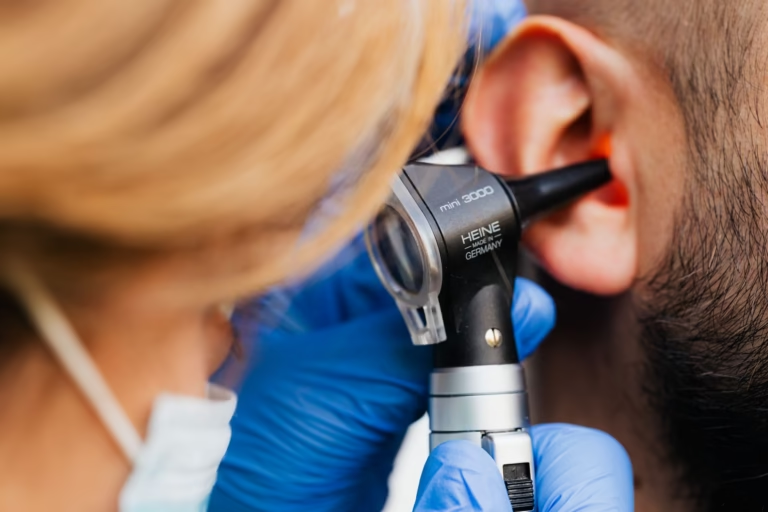
- Physical examination
- Assessing neck stiffness and neurological status
- Lumbar puncture (spinal tap)
- The most important diagnostic test
- Analyzes cerebrospinal fluid (CSF) for infection
- Blood tests
- To detect bacteria, inflammation, or markers of infection
- Imaging studies
- CT scan or MRI may be performed before lumbar puncture in certain situations
Laboratory analysis helps determine whether the meningitis is bacterial, viral, or another type, guiding appropriate treatment.
Treatment / Management Options
Treatment depends on the cause.
Bacterial Meningitis
This is a medical emergency and requires:
- Immediate hospitalization
- Intravenous (IV) antibiotics
- IV fluids
- Corticosteroids (in some cases to reduce inflammation)
- Supportive care (oxygen, monitoring vital signs)
Early treatment significantly reduces complications and mortality.
Viral Meningitis
Often managed with:
- Rest
- Fluids
- Pain relievers and fever reducers
- Antiviral medication (in specific cases such as herpes-related meningitis)
Most people recover within 7–10 days, though fatigue may persist.
Fungal Meningitis
- Long-term antifungal medications
- Often requires prolonged treatment
Potential Complications
If untreated or severe, meningitis can lead to:
- Hearing loss
- Memory problems
- Learning difficulties
- Seizures
- Brain damage
- Septicemia (blood infection)
- Death
Prompt care greatly reduces these risks.
Prevention and Lifestyle Considerations
Many cases of meningitis, particularly bacterial meningitis, are preventable through vaccination.
Recommended Vaccinations
- Meningococcal vaccine
- Pneumococcal vaccine
- Haemophilus influenzae type b (Hib) vaccine
- MMR vaccine (measles, mumps, rubella)
Vaccination schedules vary by age and region, so consultation with healthcare providers is important.
Additional Preventive Measures
- Wash hands frequently
- Avoid sharing utensils, drinks, or personal items
- Cover mouth and nose when coughing or sneezing
- Maintain a healthy immune system through:
- Balanced diet
- Adequate sleep
- Regular medical care
- Seek prompt treatment for infections
Close contacts of someone diagnosed with meningococcal meningitis may require preventive antibiotics.
Conclusion
Meningitis is a serious inflammatory condition affecting the membranes around the brain and spinal cord. While some forms are mild, bacterial meningitis can become life-threatening very quickly. Recognizing early symptoms—such as high fever, severe headache, and neck stiffness—and seeking immediate medical attention can significantly improve outcomes.
Vaccination remains one of the most effective preventive strategies, alongside good hygiene practices and timely medical care. Public awareness and rapid treatment are essential in reducing the global burden of this disease.
Disclaimer: This article is intended for educational purposes only and does not replace professional medical evaluation or treatment. If you suspect meningitis or have concerning symptoms, seek immediate care from a qualified healthcare professional.
Was this page helpful?
Thanks for your feedback! What could we improve?
Thank you! Your feedback helps us improve our guides.
Our Health A–Z guides are written by the True Impact Health Editorial Team and based on reliable sources such as public health agencies, clinical guidelines and peer-reviewed research. This guide has not yet been medically reviewed. Read our editorial process.
This content is for general information and is not a substitute for professional medical advice, diagnosis or treatment.