













Health A–Z guide
Measles
Measles: Symptoms, Causes, Treatment, and Prevention
Measles is a highly contagious viral infection that once affected millions of children worldwide each year. Thanks to widespread vaccination efforts, measles cases have dramatically declined in many countries. However,…
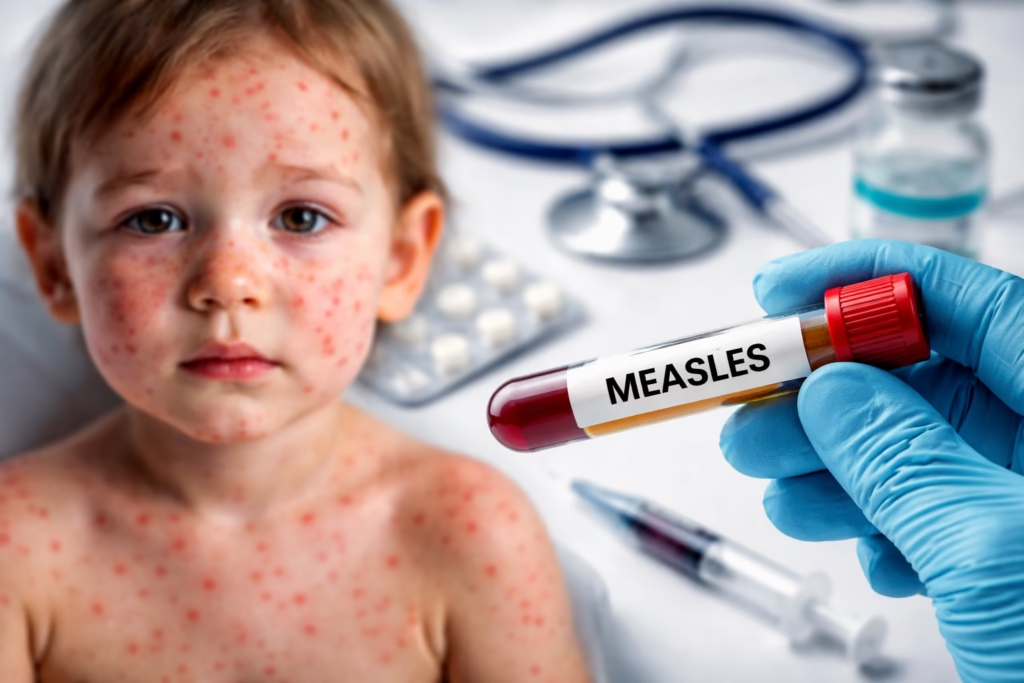
Table of Contents
Measles is a highly contagious viral infection that once affected millions of children worldwide each year. Thanks to widespread vaccination efforts, measles cases have dramatically declined in many countries. However, outbreaks continue to occur—particularly in areas with lower vaccination rates—making awareness and prevention critically important.
In this article, we’ll explore what measles is, how it spreads, its symptoms and potential complications, available treatments, and effective prevention strategies.
Overview: What Is Measles?
Measles is an acute viral illness caused by the measles virus, a member of the Paramyxoviridae family. It primarily affects children but can occur at any age, especially in individuals who are unvaccinated or lack immunity.
The disease is characterized by:
- High fever
- Cough
- Runny nose
- Red, watery eyes
- A distinctive red rash
Although many people recover fully, measles can lead to serious complications, particularly in young children, pregnant individuals, and those with weakened immune systems.
Causes and Risk Factors
What Causes Measles?
Measles is caused by the measles virus, which spreads through:
- Respiratory droplets from coughing or sneezing
- Direct contact with infected nasal or throat secretions
- Airborne transmission in enclosed spaces
The virus can remain active and contagious in the air or on surfaces for up to two hours.
Who Is at Risk?
Several factors increase the risk of infection:
- Lack of vaccination
- International travel to areas where measles is common
- Weakened immune system (e.g., due to HIV/AIDS, cancer treatment)
- Vitamin A deficiency
- Living in crowded environments or areas with low immunization coverage
Measles is extremely contagious—up to 90% of susceptible individuals exposed to the virus may become infected.
Symptoms and Clinical Presentation
Measles symptoms typically appear 7–14 days after exposure. The illness usually follows a predictable course.
Early Symptoms (Prodromal Phase)
- High fever (often above 38.5°C or 101.3°F)
- Persistent cough
- Runny nose (coryza)
- Red, inflamed eyes (conjunctivitis)
- Sensitivity to light
A classic early sign is Koplik spots—tiny white spots inside the mouth, often on the inner cheeks.
Rash Phase
- A red, blotchy rash appears 3–5 days after initial symptoms
- Begins at the hairline and spreads downward to the face, trunk, arms, and legs
- Fever may spike further as the rash spreads
Potential Complications
While many recover within 7–10 days, complications can occur, including:
- Ear infections (otitis media)
- Diarrhea
- Pneumonia (a leading cause of measles-related death)
- Encephalitis (brain inflammation)
- Pregnancy complications
- Rare but fatal: Subacute sclerosing panencephalitis (SSPE), a delayed neurological disorder
Children under 5 and adults over 20 are more likely to experience complications.
Diagnosis and Screening
How Is Measles Diagnosed?
Healthcare providers typically diagnose measles based on:
- Characteristic symptoms (fever + cough + rash)
- Clinical examination (including Koplik spots)
- Recent exposure history
Laboratory confirmation is often performed through:
- Blood tests to detect measles-specific antibodies (IgM)
- PCR testing from throat or nasal swabs
- Urine samples in some cases
Because measles is a reportable disease in many countries, confirmed cases are usually reported to public health authorities to help prevent further spread.
Treatment and Management
There is no specific antiviral treatment for measles. Management focuses on supportive care and preventing complications.
Supportive Care Includes:
- Rest
- Adequate fluid intake
- Fever management (e.g., acetaminophen or ibuprofen under medical supervision)
- Nutritional support
Vitamin A Supplementation
The World Health Organization (WHO) recommends vitamin A supplementation for children diagnosed with measles, as it can:
- Reduce severity of symptoms
- Lower the risk of complications
- Improve survival rates in high-risk areas
Severe cases—such as those involving pneumonia or encephalitis—may require hospitalization.
Prevention and Lifestyle Considerations
Vaccination: The Most Effective Protection
The MMR vaccine (measles, mumps, rubella) is the primary preventive measure.
Typical schedule:
- First dose: 12–15 months of age
- Second dose: 4–6 years of age
Two doses are about 97% effective at preventing measles.
Adults who are unsure of their vaccination status should consult healthcare professionals, especially before international travel.
Additional Preventive Measures
- Isolate infected individuals to reduce spread
- Practice proper hand hygiene
- Ensure community-wide immunization coverage (herd immunity)
High vaccination rates help protect vulnerable individuals who cannot be vaccinated, such as infants or those with certain medical conditions.
Global Public Health Perspective
Although measles is vaccine-preventable, outbreaks still occur due to:
- Vaccine hesitancy
- Limited healthcare access
- Disruptions in immunization programs
According to global health authorities such as the WHO and CDC, maintaining strong vaccination coverage is critical to preventing resurgence and protecting public health.
Conclusion
Measles is a highly contagious viral disease that can lead to serious complications, especially in unvaccinated individuals. While there is no specific cure, supportive care and vitamin A supplementation can reduce severity. Most importantly, measles is preventable through safe and effective vaccination.
Public awareness, timely immunization, and responsible health practices remain essential in reducing outbreaks and protecting communities worldwide.
Disclaimer:
This article is intended for educational purposes only and does not substitute professional medical advice. If you suspect measles or have concerns about vaccination or symptoms, please consult a qualified healthcare professional for appropriate evaluation and care.
Was this page helpful?
Thanks for your feedback! What could we improve?
Thank you! Your feedback helps us improve our guides.
Our Health A–Z guides are written by the True Impact Health Editorial Team and based on reliable sources such as public health agencies, clinical guidelines and peer-reviewed research. This guide has not yet been medically reviewed. Read our editorial process.
This content is for general information and is not a substitute for professional medical advice, diagnosis or treatment.