





Health A–Z guide
Lice
Lice: Causes, Symptoms, Treatment, and Prevention
Lice are tiny parasitic insects that live on the human body and feed on blood from the scalp or skin. Although lice infestations are common—especially...
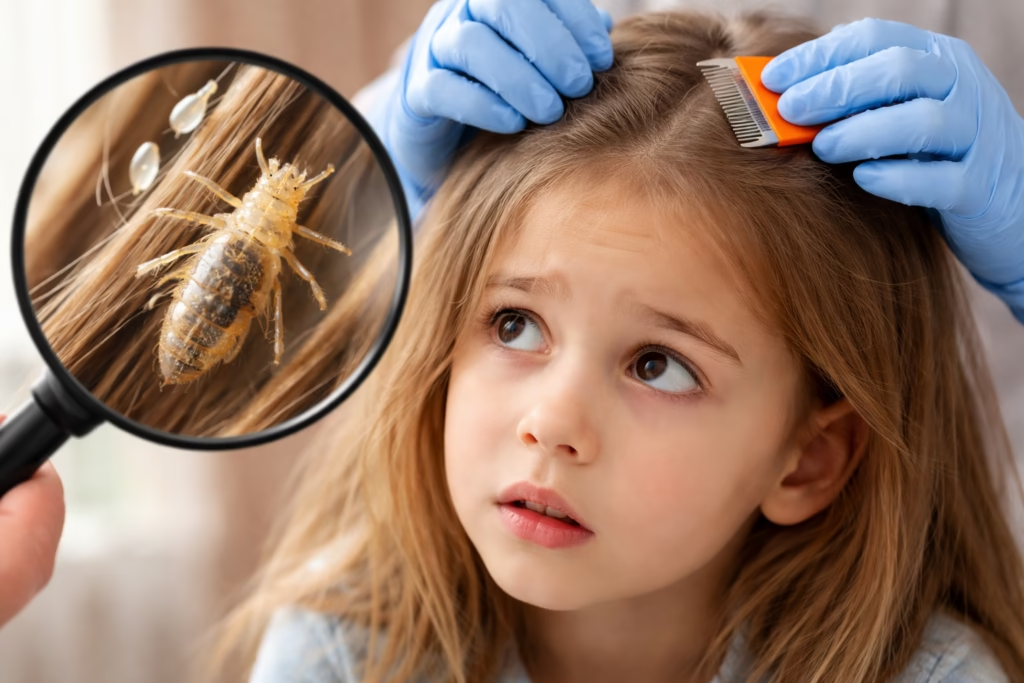
Table of Contents
Lice are tiny parasitic insects that live on the human body and feed on blood from the scalp or skin. Although lice infestations are common—especially among school-aged children—they can affect people of all ages and backgrounds. While lice are not dangerous and do not spread serious diseases in most cases, they can cause significant discomfort, itching, and social distress.
Understanding how lice spread, how to recognize them, and how to treat them effectively is key to managing an infestation quickly and safely.
Overview / Definition
Lice are small, wingless insects that survive by feeding on human blood. There are three main types that affect humans:
- Head lice (Pediculus humanus capitis)
- Live on the scalp and hair
- Most common in children
- Body lice (Pediculus humanus corporis)
- Live in clothing and bedding
- Move to the skin to feed
- More common in situations of overcrowding or limited hygiene access
- Pubic lice (Pthirus pubis)
- Also called “crabs”
- Typically found in coarse hair, such as the pubic area
- Can occasionally affect eyelashes, armpits, or chest hair
Lice do not jump or fly. They spread primarily through close physical contact.
Causes and Risk Factors
Lice infestations are caused by direct transmission from one person to another. Contrary to common belief, they are not a sign of poor hygiene.
How Lice Spread
- Head-to-head contact (most common for head lice)
- Sharing personal items such as:
- Combs and brushes
- Hats, helmets, or scarves
- Towels
- Close contact in crowded environments
- Sexual contact (for pubic lice)
Risk Factors
- Children in preschool and elementary school
- Household members of someone with lice
- Living in close quarters (e.g., dormitories, shelters)
- Limited access to laundry facilities (particularly for body lice)
It’s important to note that pets do not spread human lice.
Symptoms and Clinical Presentation
Symptoms vary slightly depending on the type of lice but are primarily related to itching and scalp or skin irritation.
Common Symptoms of Head Lice
- Persistent itching of the scalp
- Tickling sensation in the hair
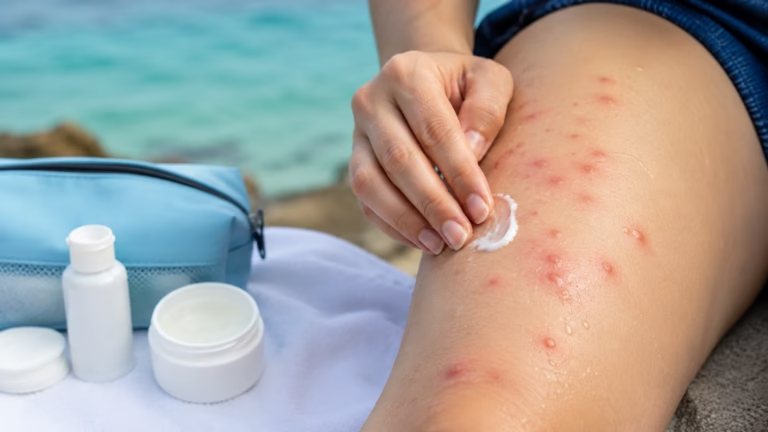
- Small red bumps on the scalp or neck
- Irritability and difficulty sleeping (lice are more active at night)
Signs to Look For
- Live lice (tiny, about the size of a sesame seed)
- Nits (lice eggs) attached firmly to hair shafts, often near the scalp
- Scalp sores from scratching (which may become infected)
Body Lice Symptoms
- Itching, particularly around the waist, neck, or underarms
- Rash or thickened skin with prolonged infestation
Pubic Lice Symptoms
- Itching in the genital area
- Visible lice or eggs in coarse hair
- Mild skin irritation or inflammation
In rare cases, excessive scratching can lead to secondary bacterial infections.
Diagnosis and Screening
Lice are typically diagnosed through physical inspection.
How Diagnosis Is Made
- Careful visual examination of the scalp or affected area
- Use of a fine-toothed nit comb
- Identification of live lice (more reliable than finding nits alone)
Finding only nits without live lice does not always indicate an active infestation. A healthcare provider may use magnification to confirm the presence of live lice.
Routine screening in schools may help detect outbreaks, though policies vary by region.
Treatment and Management Options
Effective treatment aims to eliminate both live lice and their eggs.
1. Over-the-Counter (OTC) Treatments
Common first-line treatments for head lice include:
- Permethrin 1% lotion
- Pyrethrin-based products
These treatments:
- Kill live lice
- Often require a repeat application after 7–10 days to eliminate newly hatched lice
2. Prescription Medications
If OTC treatments fail or resistance is suspected, healthcare providers may prescribe:
- Topical ivermectin
- Malathion lotion
- Spinosad topical suspension
- Oral ivermectin (in specific cases)
Prescription treatments should only be used under medical supervision.
3. Wet Combing Method
Manual removal involves:
- Using a fine-toothed lice comb
- Conditioning wet hair to make combing easier
- Repeating every few days for several weeks
This method may be used alone or alongside medicated treatments.
4. Treating Body and Pubic Lice
- Body lice: Focus on laundering clothes and bedding at high temperatures. Medications are rarely required if hygiene improves.
- Pubic lice: Treated similarly to head lice with medicated lotions. Sexual partners should also be evaluated and treated if necessary.
Home and Environmental Cleaning
While lice cannot survive long away from the human body (usually less than 1–2 days for head lice), cleaning helps reduce reinfestation risk.
Recommended steps:
- Wash clothing, bedding, and towels in hot water (at least 130°F / 54°C)
- Dry items on high heat
- Seal non-washable items in a plastic bag for two weeks
- Soak combs and brushes in hot water for 5–10 minutes
Extensive home fumigation or use of insecticide sprays is not recommended.
Prevention and Lifestyle Considerations
Preventing lice involves minimizing direct head-to-head contact and avoiding sharing personal items.
Prevention Tips
- Teach children to avoid sharing hats or hair accessories
- Tie long hair back during school or group activities
- Conduct regular scalp checks if there is a known outbreak
- Wash and dry clothing regularly in high-risk environments
For pubic lice, practicing safer sexual behaviors can reduce risk.
Importantly, many organizations, including the American Academy of Pediatrics, discourage strict “no-nit” school exclusion policies, as they may not effectively reduce transmission.
When to Seek Medical Care
Consult a healthcare professional if:
- Over-the-counter treatments fail
- Skin becomes infected (redness, swelling, pus)
- Lice affect eyelashes or eyebrows
- The individual is pregnant, breastfeeding, or very young
Prompt treatment helps prevent complications and further spread.
Conclusion
Lice are common, manageable parasitic infestations that affect millions of people worldwide. While they can be uncomfortable and inconvenient, they are not dangerous and do not reflect poor hygiene. Early detection, appropriate treatment, and simple preventive measures can effectively eliminate lice and reduce reinfestation risk.
If you suspect a lice infestation, consult a qualified healthcare professional for proper diagnosis and evidence-based treatment recommendations.
Disclaimer:
This article is for educational purposes only and is not a substitute for professional medical advice, diagnosis, or treatment. Always seek the guidance of a qualified healthcare provider regarding any medical concerns or treatment decisions.
Was this page helpful?
Thanks for your feedback! What could we improve?
Thank you! Your feedback helps us improve our guides.
Our Health A–Z guides are written by the True Impact Health Editorial Team and based on reliable sources such as public health agencies, clinical guidelines and peer-reviewed research. This guide has not yet been medically reviewed. Read our editorial process.
This content is for general information and is not a substitute for professional medical advice, diagnosis or treatment.