














Health A–Z guide
Knee Osteoarthritis
Knee Osteoarthritis: Causes, Symptoms, Diagnosis, and Treatment Options
Knee osteoarthritis (OA) is one of the most common joint disorders worldwide and a leading cause of chronic pain and disability among adults. While it is often associated with aging,…
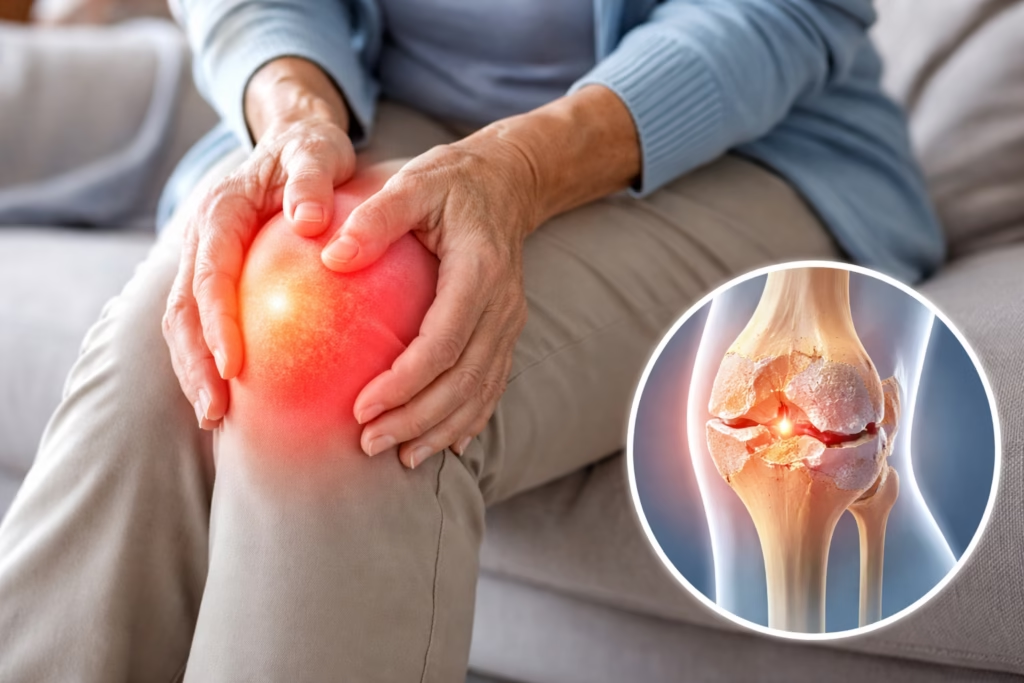
Table of Contents
Knee osteoarthritis (OA) is one of the most common joint disorders worldwide and a leading cause of chronic pain and disability among adults. While it is often associated with aging, knee osteoarthritis can affect individuals of various ages—especially those with certain risk factors.
Understanding the condition, its causes, and available treatment options can empower individuals to make informed decisions about their joint health. This article provides a comprehensive and medically accurate overview of knee osteoarthritis in clear, accessible language.
Overview: What Is Knee Osteoarthritis?
Knee osteoarthritis is a degenerative joint disease that occurs when the cartilage cushioning the ends of the bones in the knee gradually wears away. Cartilage acts as a smooth, shock-absorbing surface that allows bones to glide over each other during movement.
As cartilage deteriorates:
- Bones may rub against each other
- Inflammation can develop in the joint
- Bone spurs (osteophytes) may form
- Joint stiffness and pain can increase
Over time, knee osteoarthritis can interfere with daily activities such as walking, climbing stairs, or standing for long periods.
Causes and Risk Factors
Osteoarthritis develops through a combination of biological, mechanical, and environmental factors. While aging is the most significant risk factor, several others contribute.
Common Risk Factors Include:
- Age: Risk increases significantly after age 50
- Obesity: Excess body weight increases pressure on knee joints
- Previous Knee Injury: Ligament tears, fractures, or meniscal injuries
- Repetitive Stress: Occupations or sports involving frequent kneeling or squatting
- Genetics: Family history of osteoarthritis
- Joint Misalignment: Knock-knees or bow-legs can increase uneven stress
- Sex: Women are at slightly higher risk, especially after menopause
Excess mechanical stress combined with biological aging processes accelerates cartilage breakdown.
Symptoms and Clinical Presentation
The symptoms of knee osteoarthritis often develop gradually and worsen over time.
Common Symptoms:
- Knee pain, especially during or after movement
- Stiffness, particularly in the morning or after sitting for prolonged periods
- Swelling due to inflammation
- Reduced flexibility or range of motion
- A grating or grinding sensation (crepitus) during movement
- Joint instability or weakness
Pain may initially occur only during activity but later become persistent—even at rest.
Symptoms often fluctuate, with periods of worsening pain (flares) followed by temporary improvement.
Diagnosis and Evaluation
Diagnosis of knee osteoarthritis typically involves a combination of:
1. Medical History
A healthcare professional will ask about:
- Duration and pattern of symptoms
- Previous injuries
- Activity levels
- Family history
2. Physical Examination
Assessment may include:
- Joint swelling and tenderness
- Range of motion
- Crepitus during movement
- Alignment of the knee
3. Imaging Studies
- X-rays are commonly used to confirm diagnosis
- Cartilage loss (seen as joint space narrowing)
- Bone spurs
- MRI may be helpful in certain cases but is not routinely required
Blood tests are usually not necessary unless another condition (such as rheumatoid arthritis) is suspected.
Treatment and Management Options
There is currently no cure for knee osteoarthritis, but a variety of evidence-based strategies can help manage symptoms, slow progression, and improve quality of life.
1. Lifestyle Modifications
Often the first-line treatment:
- Weight loss (if overweight) to reduce joint pressure
- Low-impact exercise, such as:
- Walking
- Swimming
- Cycling
- Strength training to support knee stability (especially quadriceps muscles)
Even modest weight loss can significantly reduce joint stress.
2. Medications
Healthcare providers may recommend:
- Topical NSAIDs (e.g., diclofenac gel)
- Oral NSAIDs (e.g., ibuprofen, naproxen) for short-term pain relief
- Acetaminophen (for mild pain in select individuals)
- Corticosteroid injections for temporary symptom relief
Medication choice depends on individual health factors and potential side effects.
3. Physical Therapy
A structured therapy program can:
- Improve mobility
- Enhance muscle strength
- Reduce pain
- Teach joint-protection techniques
Assistive devices such as braces or orthotics may also improve alignment and reduce stress on the joint.
4. Advanced or Surgical Options
When conservative treatment fails and quality of life is significantly impaired:
- Hyaluronic acid injections (effectiveness varies)
- Platelet-rich plasma (PRP) in select settings
- Total knee replacement surgery
Total knee replacement is generally reserved for severe cases and has high success rates in relieving pain and restoring function when appropriately indicated.
Prevention and Lifestyle Considerations
While not all cases of osteoarthritis can be prevented, certain strategies may reduce risk or slow progression:
- Maintain a healthy body weight
- Engage in regular low-impact exercise
- Strengthen muscles around the knee
- Avoid repetitive excessive strain
- Use proper form during physical activity
- Address knee injuries promptly
Early management of symptoms may help preserve joint function longer.
Living with Knee Osteoarthritis
Knee osteoarthritis is a chronic condition, but many individuals manage symptoms effectively through a combination of lifestyle changes, medications, and physical therapy. Staying active—within comfortable limits—is one of the most important principles in maintaining joint health.
A multidisciplinary approach involving primary care physicians, orthopedic specialists, physical therapists, and other healthcare professionals often provides the best outcomes.
Conclusion
Knee osteoarthritis is a common degenerative joint condition characterized by cartilage breakdown, joint pain, stiffness, and reduced mobility. Risk factors include aging, obesity, previous injuries, and joint misalignment. Diagnosis is primarily clinical and supported by imaging. While there is no cure, evidence-based treatments—including lifestyle modification, physical therapy, medications, and, in severe cases, surgery—can significantly improve symptoms and quality of life.
Early recognition and proactive management are key to maintaining mobility and minimizing disability.
Disclaimer:
This article is for educational purposes only and does not constitute medical advice. If you are experiencing knee pain or other joint-related symptoms, please consult a qualified healthcare professional for proper evaluation and personalized treatment recommendations.
Was this page helpful?
Thanks for your feedback! What could we improve?
Thank you! Your feedback helps us improve our guides.
Our Health A–Z guides are written by the True Impact Health Editorial Team and based on reliable sources such as public health agencies, clinical guidelines and peer-reviewed research. This guide has not yet been medically reviewed. Read our editorial process.
This content is for general information and is not a substitute for professional medical advice, diagnosis or treatment.