
















Health A–Z guide
Irritable Bowel Syndrome (IBS)
Irritable Bowel Syndrome (IBS): A Comprehensive Guide to Symptoms, Causes, and Management
Irritable Bowel Syndrome (IBS) is one of the most common gastrointestinal disorders worldwide, yet it remains widely misunderstood. Characterized by recurring abdominal discomfort and altered bowel habits, IBS can significantly…
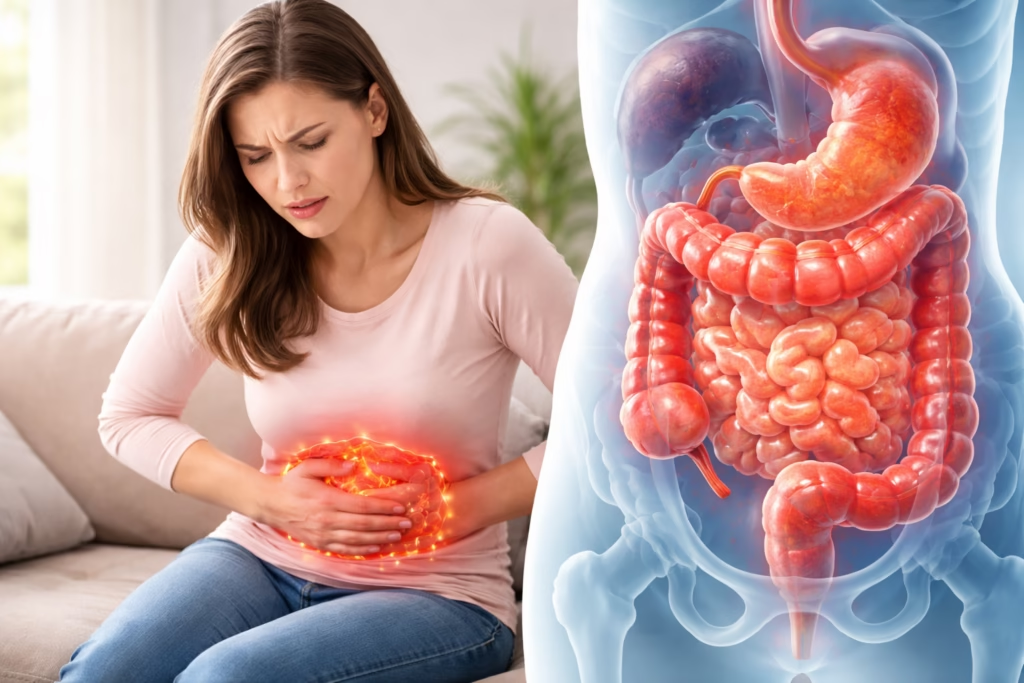
Table of Contents
Irritable Bowel Syndrome (IBS) is one of the most common gastrointestinal disorders worldwide, yet it remains widely misunderstood. Characterized by recurring abdominal discomfort and altered bowel habits, IBS can significantly impact quality of life—but it does not cause permanent damage to the digestive tract.
In this article, we’ll explore what IBS is, its potential causes, common symptoms, how it is diagnosed, and evidence-based approaches to management. Whether you’re seeking clarity for yourself or for educational purposes, this guide aims to provide clear, medically accurate information in accessible language.
Overview / Definition
Irritable Bowel Syndrome (IBS) is a chronic functional gastrointestinal disorder. The term “functional” means that there are no visible structural abnormalities in the digestive tract, but bowel function is impaired.
IBS is classified as a disorder of gut–brain interaction, meaning communication between the brain and the gastrointestinal system is altered. This can lead to abnormal bowel movements, abdominal pain, and changes in stool consistency.
IBS is categorized into subtypes based on stool patterns:
- IBS-C: Constipation-predominant
- IBS-D: Diarrhea-predominant
- IBS-M: Mixed pattern (alternating constipation and diarrhea)
- IBS-U: Unclassified subtype
While IBS can be chronic, symptoms may fluctuate over time and vary in severity.
Causes and Risk Factors
The exact cause of IBS is not fully understood. It is likely due to a combination of biological, psychological, and environmental factors.
Potential Contributing Factors
- Altered gut-brain communication
- Abnormal gastrointestinal motility (too fast or too slow transit)
- Visceral hypersensitivity (increased sensitivity to abdominal pain)
- Changes in gut microbiota
- Post-infectious changes (IBS may develop after gastrointestinal infections)
- Food sensitivities or intolerances
- Chronic stress or anxiety
Risk Factors
IBS is more common in:
- Individuals under 50 years of age
- Women (especially in Western countries)
- Those with a family history of IBS
- Individuals with a history of anxiety, depression, or trauma
Importantly, IBS is not caused by structural damage, cancer, or inflammatory bowel disease (IBD).
Symptoms or Clinical Presentation
Symptoms of IBS vary but typically include:
Core Symptoms
- Recurrent abdominal pain (often relieved by bowel movements)
- Bloating and abdominal distension
- Changes in bowel habits:
- Diarrhea
- Constipation
- Alternating between both
Additional Symptoms
- Excess gas
- Mucus in stool
- A sensation of incomplete bowel evacuation
- Urgency to have a bowel movement
Symptoms often fluctuate and may worsen during periods of stress or after eating certain foods.
Red Flag Symptoms (Require Medical Evaluation)
While IBS itself is not dangerous, the following symptoms are not typical and should prompt medical attention:
- Unintentional weight loss
- Blood in stool
- Persistent vomiting
- Anemia
- Fever
- Onset of symptoms after age 50
Diagnosis or Screening
There is no single test to diagnose IBS. Instead, diagnosis is typically based on criteria and exclusion of other conditions.
Rome IV Criteria
IBS is diagnosed when a patient has:
- Recurrent abdominal pain at least 1 day per week in the last 3 months
- Associated with two or more of the following:
- Related to defecation
- Associated with change in stool frequency
- Associated with change in stool form (appearance)
Symptoms must have started at least 6 months before diagnosis.
Additional Testing
Healthcare providers may perform:
- Blood tests (to rule out anemia or celiac disease)
- Stool tests (to rule out infection or inflammation)
- Colonoscopy (in selected cases, especially if red flags are present)
The goal is to exclude other diseases such as:
- Inflammatory bowel disease (Crohn’s disease or ulcerative colitis)
- Celiac disease
- Colorectal cancer
Treatment or Management Options
There is no cure for IBS, but symptoms can often be managed effectively with a personalized approach.
1. Dietary Modifications
One of the most effective strategies involves diet.
Common approaches include:
- Low FODMAP diet (reducing fermentable carbohydrates)
- Increasing soluble fiber (e.g., psyllium)
- Limiting caffeine, alcohol, and fatty foods
- Identifying individual trigger foods
The Low FODMAP diet is often implemented under guidance from a dietitian.
2. Medications
Depending on symptom subtype:
For IBS-C (Constipation):
- Osmotic laxatives
- Fiber supplements
- Prescription medications such as linaclotide or lubiprostone
For IBS-D (Diarrhea):
- Loperamide
- Bile acid binders
- Rifaximin (in selected cases)
For Abdominal Pain or Cramping:
- Antispasmodics
- Low-dose tricyclic antidepressants
- Serotonin-modulating medications
These medications aim to relieve symptoms rather than cure the condition.
3. Psychological Therapies
Because of the gut-brain connection, mental health interventions can significantly improve IBS symptoms:
- Cognitive Behavioral Therapy (CBT)
- Gut-directed hypnotherapy
- Stress reduction techniques
- Mindfulness-based therapy
Evidence shows that addressing psychological stress can alleviate gastrointestinal symptoms.
4. Probiotics and Microbiome Support
Some patients benefit from specific probiotic strains, though effectiveness varies. Research in this area is ongoing, and results may depend on the individual.
Prevention and Lifestyle Considerations
While IBS cannot always be prevented, certain strategies may reduce symptom frequency and severity:
- Maintain regular meal times
- Stay physically active
- Practice stress management techniques (yoga, meditation, deep breathing)
- Ensure adequate hydration
- Prioritize sleep
Tracking symptoms in a food and symptom diary can help identify triggers and patterns.
Living with IBS
IBS does not increase the risk of colorectal cancer or shorten life expectancy. However, it can affect work productivity, social interactions, and emotional well-being.
Support groups, dietary guidance, and ongoing follow-up with healthcare providers can improve long-term symptom control and quality of life.
Conclusion
Irritable Bowel Syndrome (IBS) is a common but complex functional gastrointestinal disorder that involves altered gut-brain communication. While it does not cause structural damage, it can produce persistent abdominal pain, bloating, and changes in bowel habits.
Diagnosis is based on clinical criteria, and management typically combines dietary adjustments, medications, stress management, and lifestyle changes. With appropriate care and individualized strategies, many people can effectively manage their symptoms and maintain a good quality of life.
Disclaimer:
This article is intended for educational purposes only and does not replace professional medical evaluation, diagnosis, or treatment. If you are experiencing persistent digestive symptoms or have concerns about your health, please consult a qualified healthcare professional.
Was this page helpful?
Thanks for your feedback! What could we improve?
Thank you! Your feedback helps us improve our guides.
Our Health A–Z guides are written by the True Impact Health Editorial Team and based on reliable sources such as public health agencies, clinical guidelines and peer-reviewed research. This guide has not yet been medically reviewed. Read our editorial process.
This content is for general information and is not a substitute for professional medical advice, diagnosis or treatment.