
















Health A–Z guide
IBS‑D
IBS‑D: Understanding Irritable Bowel Syndrome with Diarrhea
Digestive discomfort is something most people experience occasionally. But when abdominal pain and urgent, frequent diarrhea become persistent and disruptive, it may point to a condition known as Irritable Bowel…
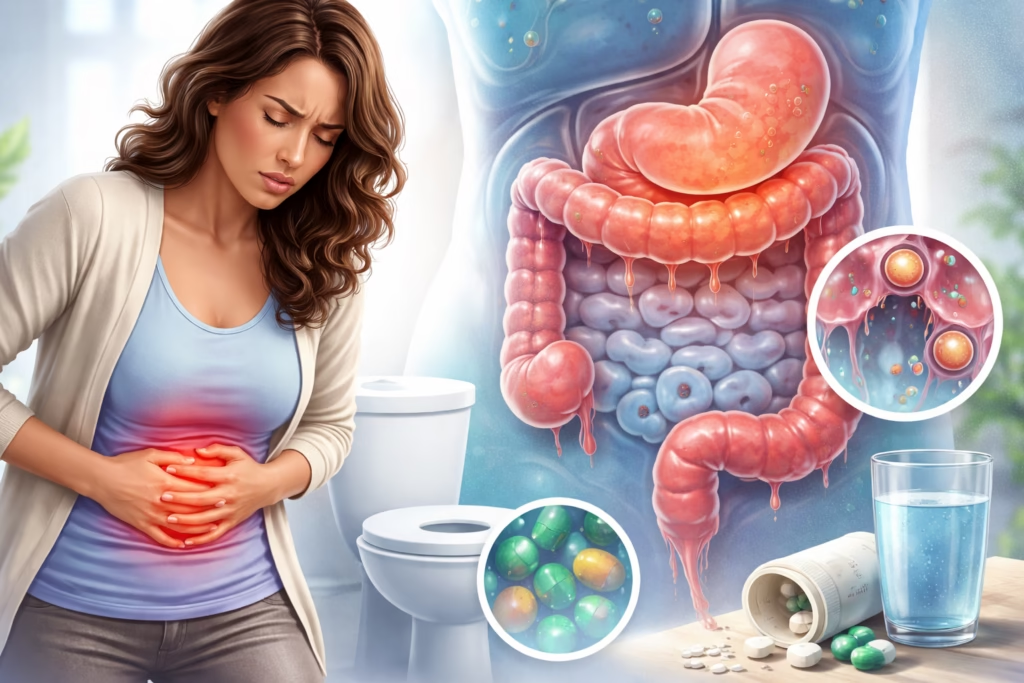
Table of Contents
Digestive discomfort is something most people experience occasionally. But when abdominal pain and urgent, frequent diarrhea become persistent and disruptive, it may point to a condition known as Irritable Bowel Syndrome with Diarrhea (IBS‑D).
IBS‑D is a common yet often misunderstood gastrointestinal disorder. While it does not cause permanent damage to the intestines, it can significantly affect daily life. This article explores what IBS‑D is, its causes, symptoms, diagnostic process, and available treatment options—using clear, evidence-based information to help you better understand the condition.
Overview: What Is IBS‑D?
Irritable Bowel Syndrome (IBS) is a functional gastrointestinal disorder characterized by chronic abdominal discomfort and changes in bowel habits. “Functional” means that symptoms occur without structural abnormalities or detectable disease on routine testing.
There are different subtypes of IBS:
- IBS-D: Predominantly diarrhea
- IBS-C: Predominantly constipation
- IBS-M: Mixed diarrhea and constipation
- IBS-U: Unclassified
In IBS‑D, loose or watery stools occur frequently and are often accompanied by urgency and abdominal pain.
IBS is considered a disorder of gut–brain interaction, meaning communication between the digestive system and nervous system is altered.
Causes and Risk Factors
The exact cause of IBS‑D is not fully understood, but several contributing factors have been identified.
1. Altered Gut Motility
People with IBS‑D often experience faster-than-normal intestinal contractions, leading to diarrhea.
2. Visceral Hypersensitivity
The intestines may be overly sensitive to stretching or normal digestive processes, resulting in pain.
3. Gut–Brain Axis Dysregulation
Disruptions in communication between the gut and central nervous system can influence bowel function.
4. Post-Infectious IBS
Some individuals develop IBS‑D after a bacterial or viral gastrointestinal infection.
5. Changes in Gut Microbiota
An imbalance in intestinal bacteria may contribute to symptoms.
6. Food Sensitivities
Certain foods may exacerbate symptoms, particularly:
- High-FODMAP foods (fermentable carbohydrates)
- Caffeine
- Artificial sweeteners
- Fatty or spicy foods
7. Psychological Factors
Stress, anxiety, and depression are not causes of IBS-D, but they can worsen symptoms through the gut–brain connection.
Risk Factors
- Female sex
- Age under 50
- Family history of IBS
- History of gastrointestinal infection
- Psychological stress or trauma
Symptoms and Clinical Presentation
Symptoms of IBS‑D typically persist for at least three months and may fluctuate in intensity.
Common symptoms include:
- Recurrent abdominal pain or cramping
- Frequent loose or watery stools
- Urgent need to have a bowel movement
- Bloating
- Excess gas
- Mucus in stool
- A sensation of incomplete bowel emptying
Abdominal pain often improves temporarily after a bowel movement.
Important: Red Flag Symptoms
IBS does not cause:
- Unintended weight loss
- Blood in stool
- Persistent fever
- Anemia
- Nocturnal diarrhea that wakes you from sleep
If these symptoms occur, further medical evaluation is essential to rule out other conditions such as inflammatory bowel disease (IBD) or colorectal cancer.
Diagnosis and Screening
There is no single test that confirms IBS‑D. Diagnosis is typically based on symptom criteria and exclusion of other disorders.
Rome IV Criteria
IBS is diagnosed when a person has:
- Recurrent abdominal pain at least 1 day per week in the last 3 months
- Associated with at least two of the following:
- Related to defecation
- Change in stool frequency
- Change in stool form (appearance)
Additional Tests (When Needed)
Healthcare providers may order tests to exclude other diagnoses:
- Blood tests (to check for anemia, celiac disease)
- Stool tests (to rule out infection or inflammation)
- Colonoscopy (if red flags or age-based screening are present)
Diagnosis is often clinical, meaning it is based on consistent symptom patterns rather than extensive testing.
Treatment and Management Options
While there is no cure for IBS‑D, many effective strategies help manage symptoms.
1. Dietary Modifications
Low-FODMAP Diet
This evidence-based approach limits fermentable carbohydrates that may worsen bloating and diarrhea.
Other dietary strategies:
- Limiting caffeine and alcohol
- Reducing fatty foods
- Avoiding artificial sweeteners (e.g., sorbitol)
- Eating smaller, more frequent meals
A registered dietitian can guide safe implementation of dietary changes.
2. Medications
Several medication options are available depending on symptom severity:
For diarrhea:
- Loperamide (reduces stool frequency)
- Bile acid binders (for bile acid malabsorption)
For IBS-specific treatment:
- Rifaximin (a non-absorbed antibiotic shown to improve symptoms in some patients)
- Eluxadoline (reduces bowel contractions)
For abdominal pain:
- Antispasmodics
- Low-dose tricyclic antidepressants (for pain modulation)
Medication choice depends on individual symptoms and medical history.
3. Psychological and Behavioral Therapies
Because IBS involves gut–brain interaction, psychological therapies can be beneficial:
- Cognitive behavioral therapy (CBT)
- Gut-directed hypnotherapy
- Stress management techniques
- Mindfulness-based therapies
These therapies aim to reduce symptom severity by modifying stress responses and gut sensitivity.
4. Probiotics
Some strains may provide symptom relief, although evidence varies. Not all probiotics are equally effective, and strain specificity matters.
Lifestyle Considerations and Symptom Prevention
While IBS‑D cannot always be prevented, symptom control may improve with certain lifestyle adjustments:
- Regular physical activity
- Consistent sleep patterns
- Stress reduction practices
- Identifying and avoiding personal food triggers
- Staying hydrated, especially during diarrhea episodes
Keeping a symptom diary can help identify patterns and triggers.
Living With IBS‑D
Although IBS‑D is a chronic condition, it does not increase the risk of colorectal cancer or cause structural intestinal damage. Many individuals successfully manage symptoms with a combination of dietary modification, medical therapy, and stress management.
Open communication with healthcare providers is essential to find a personalized, evidence-based management approach.
Conclusion
IBS‑D is a common functional gastrointestinal disorder characterized by chronic abdominal pain and frequent diarrhea. While its exact cause is not fully understood, it involves altered gut motility, visceral sensitivity, and gut–brain interaction. Diagnosis is based on symptom patterns, and multiple effective management strategies—including diet modification, medication, and psychological therapies—are available.
With proper care and lifestyle adjustments, many individuals experience significant symptom improvement and regain quality of life.
Disclaimer:
This article is for educational purposes only and is not a substitute for professional medical advice, diagnosis, or treatment. If you are experiencing persistent gastrointestinal symptoms, consult a qualified healthcare professional for proper evaluation and personalized care.
Was this page helpful?
Thanks for your feedback! What could we improve?
Thank you! Your feedback helps us improve our guides.
Our Health A–Z guides are written by the True Impact Health Editorial Team and based on reliable sources such as public health agencies, clinical guidelines and peer-reviewed research. This guide has not yet been medically reviewed. Read our editorial process.
This content is for general information and is not a substitute for professional medical advice, diagnosis or treatment.