















Health A–Z guide
Hodgkin Lymphoma
Hodgkin Lymphoma: Understanding Symptoms, Diagnosis, and Treatment
Hodgkin lymphoma is a type of cancer that begins in the lymphatic system—an essential part of the body’s immune defense. While receiving a cancer diagnosis can feel overwhelming, Hodgkin lymphoma…
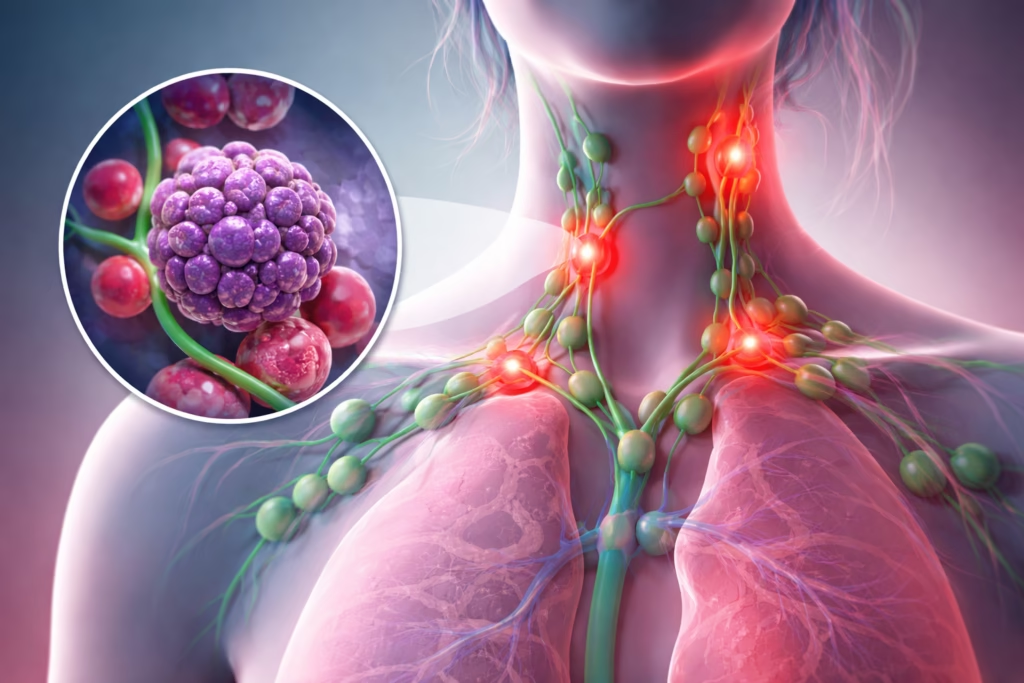
Table of Contents
Hodgkin lymphoma is a type of cancer that begins in the lymphatic system—an essential part of the body’s immune defense. While receiving a cancer diagnosis can feel overwhelming, Hodgkin lymphoma is considered one of the most treatable forms of cancer, especially when detected early. Advances in modern medicine have significantly improved survival rates and long-term outcomes.
In this article, we’ll explore what Hodgkin lymphoma is, its causes and symptoms, how it’s diagnosed, available treatment options, and important considerations for overall health.
Overview / Definition
Hodgkin lymphoma (formerly called Hodgkin’s disease) is a cancer of the lymphatic system, which includes:
- Lymph nodes
- Spleen
- Thymus gland
- Bone marrow
It originates in white blood cells known as lymphocytes, which normally help fight infections. In Hodgkin lymphoma, certain lymphocytes grow abnormally and form tumors within lymph nodes.
A defining feature of Hodgkin lymphoma is the presence of Reed–Sternberg cells, which are large, abnormal lymphocytes visible under a microscope. Their presence helps distinguish Hodgkin lymphoma from other types of lymphoma, such as non-Hodgkin lymphoma.
There are two main types:
- Classical Hodgkin lymphoma (cHL) – The most common form.
- Nodular lymphocyte-predominant Hodgkin lymphoma (NLPHL) – Less common and typically slower growing.
Causes and Risk Factors
The exact cause of Hodgkin lymphoma is not fully understood. It develops when genetic changes occur within lymphocytes, causing them to multiply uncontrollably.
While no single cause has been identified, several risk factors may increase the likelihood of developing the condition:
- Age: Most common in young adults (ages 15–35) and adults over 55
- Sex: Slightly more common in males
- Epstein–Barr virus (EBV) infection: A known association in some cases
- Weakened immune system: Including people with HIV or those taking immunosuppressive medications
- Family history: Having a sibling with Hodgkin lymphoma slightly increases risk
It’s important to note that many people with these risk factors never develop the disease.
Symptoms / Clinical Presentation
Hodgkin lymphoma often begins with painless swelling of lymph nodes, usually in the:
- Neck
- Armpits
- Groin
Other common symptoms may include:
- Persistent fatigue
- Unexplained fever
- Night sweats
- Unintentional weight loss
- Itchy skin
- Persistent cough or chest discomfort (if chest lymph nodes are enlarged)
A group of symptoms known as “B symptoms”—fever, night sweats, and weight loss—can indicate more advanced disease and are important for staging and treatment decisions.
Because these symptoms can overlap with less serious conditions, proper medical evaluation is crucial for accurate diagnosis.
Diagnosis and Screening
There is no routine screening test for Hodgkin lymphoma. Diagnosis typically begins with a clinical evaluation and imaging studies.
Diagnostic Steps May Include:
- Physical examination to assess enlarged lymph nodes
- Blood tests to evaluate overall health and organ function
- Imaging tests such as:
- CT scan
- PET scan
- Chest X-ray
- Lymph node biopsy (definitive test)
A biopsy—removal and examination of lymph node tissue—is essential to confirm the presence of Reed–Sternberg cells and establish the diagnosis.
After confirmation, doctors determine the stage of the disease (Stage I–IV) based on:
- Number and location of affected lymph nodes
- Whether organs outside the lymphatic system are involved
- Presence of B symptoms
Staging helps guide treatment planning.
Treatment and Management Options
Hodgkin lymphoma is highly treatable, and many patients achieve long-term remission or cure. Treatment depends on the subtype, stage, and overall health of the patient.
Common Treatment Approaches:
1. Chemotherapy
- Primary treatment for most stages
- Uses drugs to destroy cancer cells
- Often given in cycles over several months
2. Radiation Therapy
- High-energy beams target and kill cancer cells
- Often combined with chemotherapy in early-stage disease
3. Combination Therapy
- Chemotherapy plus radiation therapy is common in early stages
4. Targeted Therapy
- Drugs designed to attack specific cancer cell components
- Example: Brentuximab vedotin
5. Immunotherapy
- Helps the immune system recognize and fight cancer
- Includes checkpoint inhibitors such as nivolumab or pembrolizumab
6. Stem Cell Transplant
- Considered in relapsed or treatment-resistant cases
- Replaces damaged bone marrow after high-dose chemotherapy
Prognosis
Hodgkin lymphoma has a generally favorable prognosis. The 5-year survival rate is high, especially for early-stage disease. Early detection and appropriate therapy greatly improve outcomes.
Prevention and Lifestyle Considerations
There is no guaranteed way to prevent Hodgkin lymphoma, as many risk factors are not modifiable. However, supporting immune health and overall well-being may be beneficial.
Healthy lifestyle habits include:
- Avoiding tobacco products
- Maintaining a balanced diet rich in fruits and vegetables
- Exercising regularly
- Managing chronic conditions effectively
- Practicing safe behaviors to reduce risk of infections such as HIV
For survivors, long-term follow-up care is essential. Some treatments may increase the risk of secondary cancers or cardiovascular disease later in life, making routine monitoring important.
When to Seek Medical Attention
Persistent swollen lymph nodes, unexplained fevers, night sweats, or unexplained weight loss warrant medical evaluation—especially if symptoms last longer than two weeks without a clear cause.
Early diagnosis leads to more effective treatment and improved outcomes.
Conclusion
Hodgkin lymphoma is a cancer of the lymphatic system marked by the presence of Reed–Sternberg cells. Though its exact cause is unknown, risk factors such as age, immune system status, and Epstein–Barr virus infection may contribute. Common symptoms include painless lymph node swelling, fever, night sweats, and weight loss.
Diagnosis requires biopsy and imaging for staging, and treatment typically involves chemotherapy, radiation therapy, targeted therapy, or immunotherapy. Fortunately, Hodgkin lymphoma is among the most treatable cancers, particularly when identified early.
If you notice persistent or unexplained symptoms, consult a healthcare professional for evaluation. This article is intended for educational purposes only and should not be considered medical advice. Always seek guidance from a qualified healthcare provider for diagnosis and treatment decisions.
Was this page helpful?
Thanks for your feedback! What could we improve?
Thank you! Your feedback helps us improve our guides.
Our Health A–Z guides are written by the True Impact Health Editorial Team and based on reliable sources such as public health agencies, clinical guidelines and peer-reviewed research. This guide has not yet been medically reviewed. Read our editorial process.
This content is for general information and is not a substitute for professional medical advice, diagnosis or treatment.