
Heart Failure: Understanding the Condition, Causes, and Care
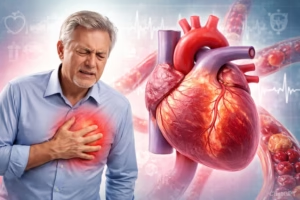
Heart failure is a serious but manageable medical condition that affects millions of people worldwide. Despite its name, heart failure does not mean the heart has stopped working. Instead, it means the heart is not pumping blood as effectively as it should. When this happens, the body may not receive enough oxygen and nutrients to function properly.
With early diagnosis, appropriate treatment, and lifestyle adjustments, many people with heart failure can lead full and meaningful lives. This article provides a comprehensive, medically accurate overview of heart failure, including its causes, symptoms, diagnosis, treatment, and prevention strategies.
Overview / Definition
Heart failure—also known as congestive heart failure (CHF)—is a chronic condition in which the heart is unable to pump enough blood to meet the body’s needs.
The condition can affect:
- The left side of the heart (most common)
- The right side of the heart
- Both sides of the heart
There are two main types:
- Heart Failure with Reduced Ejection Fraction (HFrEF):
The heart muscle becomes weak and cannot contract effectively. - Heart Failure with Preserved Ejection Fraction (HFpEF):
The heart muscle becomes stiff and cannot relax properly, reducing blood filling.
Heart failure typically develops gradually but can sometimes occur suddenly after a significant cardiac event such as a heart attack.
Causes and Risk Factors
Heart failure usually results from conditions that damage or overwork the heart over time.
Common Causes
- Coronary artery disease (CAD) – Narrowed arteries reduce blood supply to the heart
- Heart attack (myocardial infarction) – Damaged heart muscle
- High blood pressure (hypertension) – Forces the heart to work harder
- Cardiomyopathy – Disease of the heart muscle
- Heart valve disorders
- Arrhythmias (abnormal heart rhythms)
Risk Factors
Certain factors increase the likelihood of developing heart failure:
- Diabetes
- Obesity
- Smoking
- Excessive alcohol use
- Sedentary lifestyle
- Advanced age
- Family history of heart disease
- Chronic kidney disease
Multiple risk factors often interact, increasing overall cardiovascular strain.
Symptoms or Clinical Presentation
Symptoms of heart failure result from fluid buildup and reduced blood circulation. They may develop gradually and worsen over time.
Common Symptoms
- Shortness of breath (especially during exertion or lying flat)
- Fatigue or weakness
- Swelling in the legs, ankles, or abdomen (edema)
- Rapid or irregular heartbeat
- Persistent cough or wheezing (sometimes with pink, frothy mucus)
- Sudden weight gain from fluid retention
- Reduced ability to exercise
Advanced Symptoms
- Confusion or difficulty concentrating
- Loss of appetite or nausea
- Increased nighttime urination
- Severe shortness of breath at rest
Symptom severity is often categorized using the New York Heart Association (NYHA) functional classification system, which ranges from mild limitation (Class I) to symptoms at rest (Class IV).
Diagnosis or Screening
Early diagnosis of heart failure improves outcomes and helps prevent complications.
Medical Evaluation Typically Includes:
- Medical history and physical examination
- Blood tests, including:
- BNP or NT-proBNP (markers of cardiac stress)
- Kidney function tests
- Electrocardiogram (ECG) – Detects electrical abnormalities
- Echocardiogram – Ultrasound imaging to evaluate heart structure and function
- Chest X-ray – Detects fluid accumulation
- Cardiac MRI or CT scan (in selected cases)
The **ejection fraction (EF)**—a measurement of how much blood the left ventricle pumps out with each contraction—is central to diagnosis and treatment planning.
Treatment and Management Options
Although heart failure is typically a chronic condition, it can often be managed effectively with a combination of medical treatment and lifestyle changes.
Medications
Commonly prescribed medications include:
- ACE inhibitors or ARBs – Lower blood pressure and reduce heart strain
- ARNIs (angiotensin receptor-neprilysin inhibitors)
- Beta-blockers – Slow the heart rate and improve function
- Diuretics – Reduce fluid buildup
- Mineralocorticoid receptor antagonists
- SGLT2 inhibitors – Originally used for diabetes, now proven beneficial in heart failure
Medication regimens vary depending on the type and severity of heart failure.
Medical Devices
In certain patients, doctors may recommend:
- Implantable cardioverter-defibrillator (ICD) – Prevents sudden cardiac death
- Cardiac resynchronization therapy (CRT) – Improves coordinated heart contraction
- Left ventricular assist device (LVAD) – Supports advanced heart failure
Surgical Options
- Coronary artery bypass surgery
- Heart valve repair or replacement
- Heart transplantation (in severe, refractory cases)
Treatment plans are individualized and often require long-term monitoring.
Prevention and Lifestyle Considerations
While not all cases of heart failure are preventable, many risk factors are modifiable.
Heart-Healthy Lifestyle Strategies
- Maintain healthy blood pressure
- Control blood sugar levels
- Follow a balanced, low-sodium diet
- Engage in regular moderate exercise (as advised by a healthcare provider)
- Achieve and maintain a healthy weight
- Avoid smoking
- Limit alcohol intake
- Monitor fluid intake (for diagnosed patients)
For those already diagnosed, daily weight monitoring and medication adherence are particularly important for preventing hospitalizations.
Living with Heart Failure
Management requires ongoing partnership between patients and healthcare providers. Many individuals benefit from:
- Cardiac rehabilitation programs
- Structured follow-up care
- Education about symptom monitoring
- Support groups
Early recognition of worsening symptoms—such as sudden weight gain or increased breathlessness—can prevent complications.
Conclusion
Heart failure is a chronic condition in which the heart cannot pump blood efficiently enough to meet the body’s needs. It commonly results from coronary artery disease, hypertension, or structural heart problems. Symptoms such as shortness of breath, swelling, and fatigue often develop gradually but require prompt evaluation.
With early diagnosis, evidence-based medications, lifestyle changes, and in some cases advanced therapies, many individuals with heart failure can effectively manage their symptoms and improve quality of life. Prevention efforts—especially blood pressure control, healthy diet, and regular exercise—play a critical role in reducing risk.
Disclaimer:
This article is intended for educational purposes only and does not replace medical advice. If you have symptoms or concerns related to heart health, consult a qualified healthcare professional for proper evaluation and guidance.