









Health A–Z guide
Hashimoto’s Disease
Hashimoto’s Disease: Understanding the Most Common Cause of Hypothyroidism
Hashimoto’s disease, also known as Hashimoto’s thyroiditis, is an autoimmune condition that affects the thyroid gland and is one of the most common causes of hypothyroidism (an underactive thyroid). Though…
Table of Contents
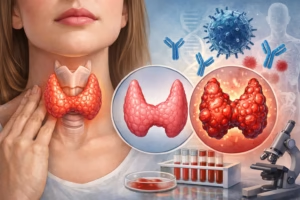
Hashimoto’s disease, also known as Hashimoto’s thyroiditis, is an autoimmune condition that affects the thyroid gland and is one of the most common causes of hypothyroidism (an underactive thyroid). Though widely prevalent, it often develops gradually and may go undetected for years.
Understanding this condition—its causes, symptoms, diagnosis, and treatment options—can empower individuals to recognize early signs and seek appropriate medical care. This article provides a clear, evidence-based overview in accessible language.
Overview: What Is Hashimoto’s Disease?
Hashimoto’s disease is a chronic autoimmune disorder in which the body’s immune system mistakenly attacks the thyroid gland. The thyroid is a small, butterfly-shaped gland located at the base of the neck and plays a vital role in regulating:
- Metabolism
- Energy production
- Body temperature
- Heart rate
- Hormonal balance
Over time, immune system damage leads to inflammation and reduced thyroid hormone production. When the thyroid cannot produce enough hormones (primarily thyroxine, or T4, and triiodothyronine, or T3), the condition progresses to hypothyroidism.
Hashimoto’s disease affects people worldwide and is more common in:
- Women (especially middle-aged women)
- Individuals with a family history of autoimmune conditions
- People with other autoimmune disorders
Causes and Risk Factors
The exact cause of Hashimoto’s disease is not fully understood. However, it is believed to result from a combination of genetic susceptibility and environmental triggers.
Key Risk Factors
- Genetics: A family history of thyroid disease or autoimmune conditions increases risk.
- Gender: Women are significantly more likely to develop Hashimoto’s than men.
- Age: Most commonly diagnosed between ages 30 and 50.
- Other autoimmune disorders: Such as type 1 diabetes, rheumatoid arthritis, celiac disease, or lupus.
- Excess iodine intake: High iodine consumption may trigger or worsen thyroid dysfunction in susceptible individuals.
- Radiation exposure: Particularly to the head and neck region.
Researchers believe environmental factors may trigger autoimmunity in genetically predisposed individuals.
Symptoms and Clinical Presentation
In many cases, Hashimoto’s disease develops slowly over months or years. Early on, symptoms may be mild or absent. As thyroid hormone levels decline, symptoms of hypothyroidism emerge.
Common Symptoms
- Fatigue and sluggishness
- Weight gain (usually modest)
- Increased sensitivity to cold
- Constipation
- Dry skin
- Hair thinning or hair loss
- Depression or low mood
- Irregular or heavy menstrual periods
- Fertility difficulties
Physical Signs
- Enlarged thyroid gland (goiter)
- Puffy face
- Hoarse voice
- Slow heart rate
Symptoms vary widely among individuals, and some people may attribute changes to aging or stress, delaying diagnosis.
Diagnosis and Screening
Hashimoto’s disease is diagnosed through a combination of clinical evaluation, blood tests, and sometimes imaging.
Blood Tests
- Thyroid-stimulating hormone (TSH)
- Elevated TSH is often the first abnormality detected in hypothyroidism.
- Free T4 (thyroxine)
- Low levels indicate reduced thyroid function.
- Thyroid antibodies
- Anti-thyroid peroxidase (anti-TPO) antibodies
- Anti-thyroglobulin antibodies
The presence of these antibodies supports the diagnosis of Hashimoto’s disease.
Imaging (If Needed)
- Thyroid ultrasound may be used if a goiter or thyroid nodules are detected.
Screening Recommendations
Routine population-wide screening for thyroid disease is debated. However, screening may be recommended for:
- Pregnant women or those planning pregnancy
- Individuals with autoimmune disease
- People with a strong family history
- Individuals with unexplained symptoms of hypothyroidism
A healthcare professional determines appropriate testing based on symptoms and risk factors.
Treatment and Management Options
There is no cure for Hashimoto’s disease, but it can be effectively managed.
Thyroid Hormone Replacement
The standard treatment is levothyroxine, a synthetic form of T4. It:
- Restores normal hormone levels
- Improves symptoms
- Normalizes TSH levels
Treatment considerations:
- Taken once daily on an empty stomach
- Requires periodic blood tests to monitor dosage
- May require lifelong therapy
When properly dosed, most individuals experience significant improvement and can lead normal, healthy lives.
Monitoring
Regular follow-up testing is essential to:
- Adjust medication dosage
- Monitor symptom improvement
- Avoid under- or over-treatment
Prevention and Lifestyle Considerations
Hashimoto’s disease itself cannot currently be prevented. However, certain lifestyle practices may support thyroid health and overall well-being.
Nutrition Considerations
- Adequate iodine intake: Avoid both deficiency and excess.
- Selenium: Found in Brazil nuts, seafood, and whole grains; may support thyroid function in some cases.
- Balanced diet: Emphasizing whole foods, lean proteins, healthy fats, fruits, and vegetables.
Extreme or restrictive diets should be approached cautiously and discussed with a healthcare provider.
Managing Associated Conditions
Because autoimmune diseases may cluster, evaluation for related conditions may be appropriate.
Stress Management and General Health
Chronic stress and poor sleep can worsen symptoms of fatigue and mood disturbance. Helpful strategies include:
- Regular physical activity
- Mindfulness or relaxation techniques
- Consistent sleep habits
While lifestyle changes do not replace medication, they may improve overall wellness.
Potential Complications
If untreated, hypothyroidism due to Hashimoto’s disease can lead to:
- Elevated cholesterol and increased cardiovascular risk
- Infertility
- Peripheral neuropathy
- Myxedema coma (rare but life-threatening)
Early diagnosis and appropriate treatment significantly reduce these risks.
Conclusion
Hashimoto’s disease is a common autoimmune condition that gradually impairs thyroid function. Though it cannot be cured, it can be effectively managed with thyroid hormone replacement therapy and regular medical monitoring. Recognizing symptoms such as fatigue, weight changes, cold intolerance, and menstrual irregularities can prompt timely medical evaluation.
With appropriate care, most individuals with Hashimoto’s disease lead full, healthy lives.
Disclaimer: This article is intended for educational purposes only and does not replace professional medical advice. If you suspect you have symptoms of thyroid disease or have concerns about your health, please consult a qualified healthcare professional for proper evaluation and guidance.
Was this page helpful?
Thanks for your feedback! What could we improve?
Thank you! Your feedback helps us improve our guides.
Our Health A–Z guides are written by the True Impact Health Editorial Team and based on reliable sources such as public health agencies, clinical guidelines and peer-reviewed research. This guide has not yet been medically reviewed. Read our editorial process.
This content is for general information and is not a substitute for professional medical advice, diagnosis or treatment.