















Health A–Z guide
Endometrial Cancer
Endometrial Cancer: An In-Depth, Patient-Friendly Guide
Endometrial cancer is one of the most common gynecologic cancers and primarily affects the lining of the uterus. While the diagnosis can sound intimidating, understanding what endometrial cancer is, how…
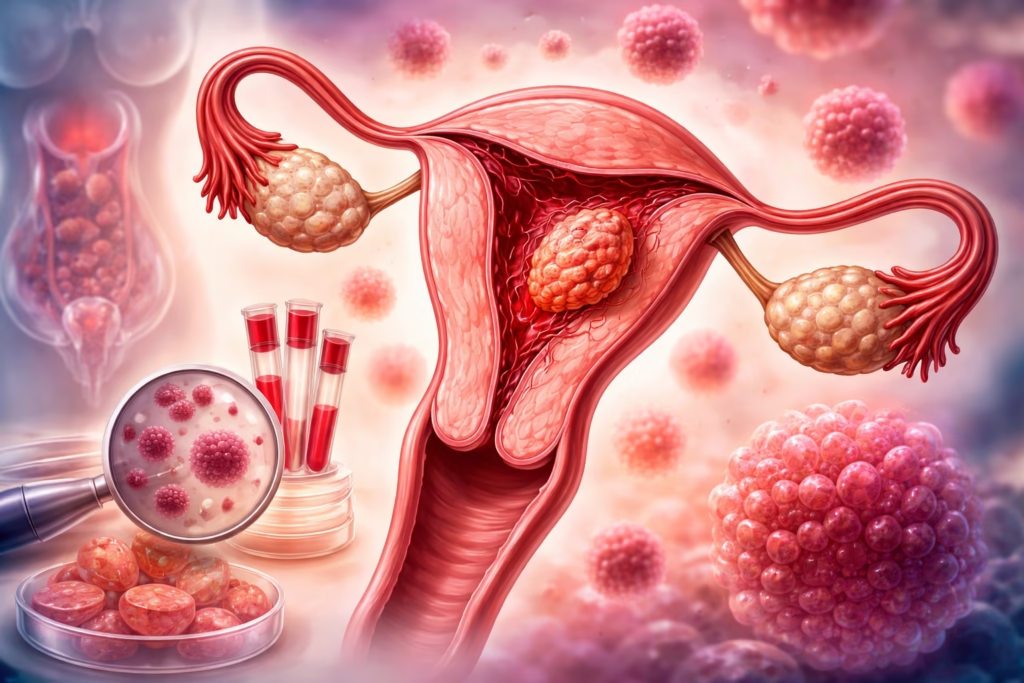
Table of Contents
Endometrial cancer is one of the most common gynecologic cancers and primarily affects the lining of the uterus. While the diagnosis can sound intimidating, understanding what endometrial cancer is, how it develops, and how it is treated can help patients and readers feel more informed and empowered. This article provides a clear, medically accurate, and accessible overview of endometrial cancer, from risk factors and symptoms to diagnosis, treatment, and prevention considerations.
Overview: What Is Endometrial Cancer?
Endometrial cancer is a type of cancer that begins in the endometrium, the inner lining of the uterus. The uterus is a hollow, pear-shaped organ in the pelvis where a fetus develops during pregnancy. Most endometrial cancers are classified as carcinomas, meaning they originate from glandular cells.
It is important to distinguish endometrial cancer from uterine sarcoma, a rarer cancer that forms in the muscle or connective tissues of the uterus. Endometrial cancer accounts for the vast majority of uterine cancer cases.
Causes and Risk Factors
Endometrial cancer is often linked to prolonged exposure to estrogen without adequate progesterone balance, which can stimulate excessive growth of the endometrial lining.
Common risk factors include:
- Age: Most cases occur after menopause, typically after age 50
- Hormonal imbalance:
- High estrogen levels without progesterone
- Estrogen-only hormone replacement therapy
- Obesity: Fat tissue can produce estrogen, increasing hormone levels
- Reproductive history:
- Early onset of menstruation
- Late menopause
- Never having been pregnant
- Medical conditions:
- Polycystic ovary syndrome (PCOS)
- Diabetes
- Hypertension
- Medications:
- Long-term use of tamoxifen (a breast cancer treatment)
- Genetic factors:
- Lynch syndrome (hereditary nonpolyposis colorectal cancer)
Having one or more risk factors does not mean a person will develop endometrial cancer, but it may increase overall risk.
Symptoms and Clinical Presentation
Endometrial cancer often produces noticeable symptoms early, which allows for prompt evaluation and diagnosis.
Common symptoms include:
- Abnormal uterine bleeding, such as:
- Bleeding after menopause
- Heavy or irregular menstrual bleeding
- Pelvic pain or pressure
- Unusual vaginal discharge, especially after menopause
- Pain during intercourse
- Unexplained weight loss (less common, often in advanced cases)
Postmenopausal bleeding should always be evaluated by a healthcare provider, as it is a key warning sign.
Diagnosis and Screening
There is no routine screening test for endometrial cancer in people without symptoms. Diagnosis is usually initiated after abnormal bleeding or other concerning signs.
Diagnostic methods may include:
- Pelvic examination
- Transvaginal ultrasound:
- Measures thickness of the endometrium
- Endometrial biopsy:
- Removal of a small tissue sample for microscopic evaluation
- Hysteroscopy:
- Direct visualization of the uterine cavity
- Imaging studies (CT, MRI):
- Used to assess disease spread after diagnosis
For individuals with known genetic risk, such as Lynch syndrome, closer surveillance may be recommended by specialists.
Treatment and Management Options
Treatment depends on the stage, grade, and type of cancer, as well as the patient’s overall health.
Common treatment options include:
- Surgery (primary treatment for most cases):
- Hysterectomy (removal of the uterus)
- Often combined with removal of ovaries and fallopian tubes
- Radiation therapy:
- Used after surgery or when surgery is not possible
- Hormonal therapy:
- Progesterone-based treatments for selected patients
- Chemotherapy:
- Typically for advanced or aggressive cancers
- Targeted or immunotherapy:
- Used in specific cases based on molecular testing
Early-stage endometrial cancer often has a very favorable prognosis when treated promptly.
Prevention and Lifestyle Considerations
While not all cases can be prevented, certain strategies may help reduce risk:
- Maintaining a healthy body weight
- Regular physical activity
- Managing diabetes and other metabolic conditions
- Balanced use of hormone therapy under medical guidance
- Use of combined oral contraceptives, which may lower risk in some individuals
- Awareness of abnormal bleeding patterns
Early recognition of symptoms remains one of the most important preventive measures.
Conclusion: Key Takeaways
Endometrial cancer is a common but often highly treatable cancer, especially when detected early. Abnormal uterine bleeding—particularly after menopause—is the most important warning sign. Understanding risk factors, recognizing symptoms, and seeking timely medical evaluation are critical steps in ensuring the best possible outcomes. Advances in surgical techniques, radiation therapy, and targeted treatments continue to improve survival and quality of life for patients.
Medical Disclaimer
This article is intended for educational purposes only and does not provide personalized medical advice. Individuals with symptoms, risk factors, or concerns related to endometrial cancer should consult a qualified healthcare professional for proper evaluation, diagnosis, and treatment.
Was this page helpful?
Thanks for your feedback! What could we improve?
Thank you! Your feedback helps us improve our guides.
Our Health A–Z guides are written by the True Impact Health Editorial Team and based on reliable sources such as public health agencies, clinical guidelines and peer-reviewed research. This guide has not yet been medically reviewed. Read our editorial process.
This content is for general information and is not a substitute for professional medical advice, diagnosis or treatment.