















Health A–Z guide
Deep Vein Thrombosis (DVT)
Deep Vein Thrombosis (DVT): Understanding the Risks, Symptoms, and Management
Deep Vein Thrombosis (DVT) is a serious medical condition that often develops silently but can have life‑threatening consequences if not recognized and treated promptly. It involves the formation of a…
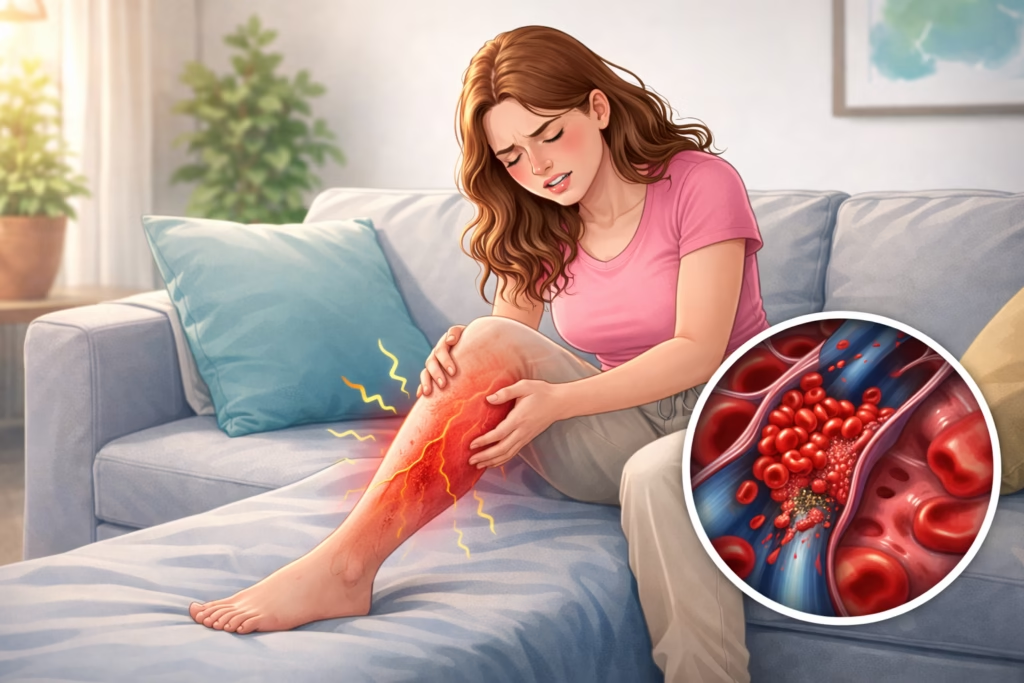
Table of Contents
Deep Vein Thrombosis (DVT) is a serious medical condition that often develops silently but can have life‑threatening consequences if not recognized and treated promptly. It involves the formation of a blood clot in a deep vein, most commonly in the legs. While DVT can affect anyone, certain situations—such as prolonged immobility, surgery, or underlying medical conditions—can significantly increase the risk.
This article provides a clear, evidence‑based overview of DVT, including its causes, symptoms, diagnosis, treatment options, and prevention strategies, using language that is accessible to a general audience.
Overview: What Is Deep Vein Thrombosis?
Deep Vein Thrombosis occurs when a blood clot (thrombus) forms in a deep vein, usually in the:
- Lower leg (calf)
- Thigh
- Pelvis
- Less commonly, the arms
The primary danger of DVT lies in the possibility that part of the clot can break off and travel to the lungs, causing a **pulmonary embolism (PE)**—a medical emergency that can impair breathing and circulation.
Causes and Risk Factors
DVT typically develops when blood flow becomes sluggish, the blood becomes more prone to clotting, or the vein wall is injured. Many cases involve a combination of these factors.
Common Risk Factors Include:
- Prolonged immobility
- Long-distance travel
- Bed rest or hospitalization
- Recent surgery or trauma, especially orthopedic procedures
- Increasing age, particularly over 60
- Pregnancy and the postpartum period
- Use of estrogen-containing medications
- Oral contraceptives
- Hormone replacement therapy
- Cancer and certain cancer treatments
- Inherited or acquired clotting disorders
- Previous history of DVT or pulmonary embolism
- Obesity and smoking
Symptoms and Clinical Presentation
DVT symptoms can vary and, in some cases, may be absent. When symptoms do occur, they often affect one limb.
Common Signs and Symptoms:
- Swelling in one leg or arm
- Pain or tenderness, often starting in the calf
- Warmth over the affected area
- Red or discolored skin
- A feeling of heaviness or tightness
⚠️ Important Note: Sudden shortness of breath, chest pain, coughing up blood, or rapid heartbeat may indicate a pulmonary embolism and require immediate medical attention.
Diagnosis and Screening
Because symptoms can be subtle or nonspecific, medical evaluation is essential to confirm DVT.
Common Diagnostic Tools:
- Duplex ultrasound (first-line test)
- D-dimer blood test (helps assess clot presence in selected patients)
- CT or MRI venography (used in certain cases)
- Clinical risk assessment tools, such as the Wells score
Diagnosis is based on a combination of medical history, physical examination, and appropriate imaging or laboratory tests.
Treatment and Management Options
The primary goals of DVT treatment are to prevent clot growth, reduce the risk of pulmonary embolism, and minimize long-term complications.
Common Treatment Approaches:
- Anticoagulant medications (blood thinners)
- Direct oral anticoagulants (DOACs)
- Heparin or low-molecular-weight heparin
- Warfarin (in selected cases)
- Compression stockings
- May help reduce swelling and discomfort
- Thrombolytic therapy
- Used in severe or high-risk cases to dissolve clots
- Inferior vena cava (IVC) filters
- Reserved for specific situations when anticoagulation is not possible
Treatment duration varies depending on the cause and individual risk factors but often lasts several months or longer.
Prevention and Lifestyle Considerations
Preventing DVT is especially important for individuals at increased risk.
Practical Prevention Strategies:
- Stay physically active and avoid long periods of sitting
- Take breaks to walk during long trips
- Stay well-hydrated
- Use compression stockings when recommended
- Follow post-surgical mobility and medication instructions
- Maintain a healthy weight and avoid smoking
In healthcare settings, preventive medications or mechanical devices may be used for high-risk patients.
Conclusion: Key Takeaways About DVT
Deep Vein Thrombosis is a potentially serious but often preventable and treatable condition. Awareness of risk factors, early recognition of symptoms, and timely medical evaluation are crucial in reducing complications. With appropriate management, many individuals with DVT can recover well and avoid long-term consequences.
Medical Disclaimer
This article is intended for educational purposes only and does not provide personalized medical advice. If you have symptoms, concerns, or risk factors related to Deep Vein Thrombosis, consult a qualified healthcare professional for proper evaluation and guidance.
Was this page helpful?
Thanks for your feedback! What could we improve?
Thank you! Your feedback helps us improve our guides.
Our Health A–Z guides are written by the True Impact Health Editorial Team and based on reliable sources such as public health agencies, clinical guidelines and peer-reviewed research. This guide has not yet been medically reviewed. Read our editorial process.
This content is for general information and is not a substitute for professional medical advice, diagnosis or treatment.