















Health A–Z guide
Cystic Fibrosis
Cystic fibrosis (CF) is a lifelong genetic condition that primarily affects the lungs and digestive system. It alters how certain cells move salt and water...
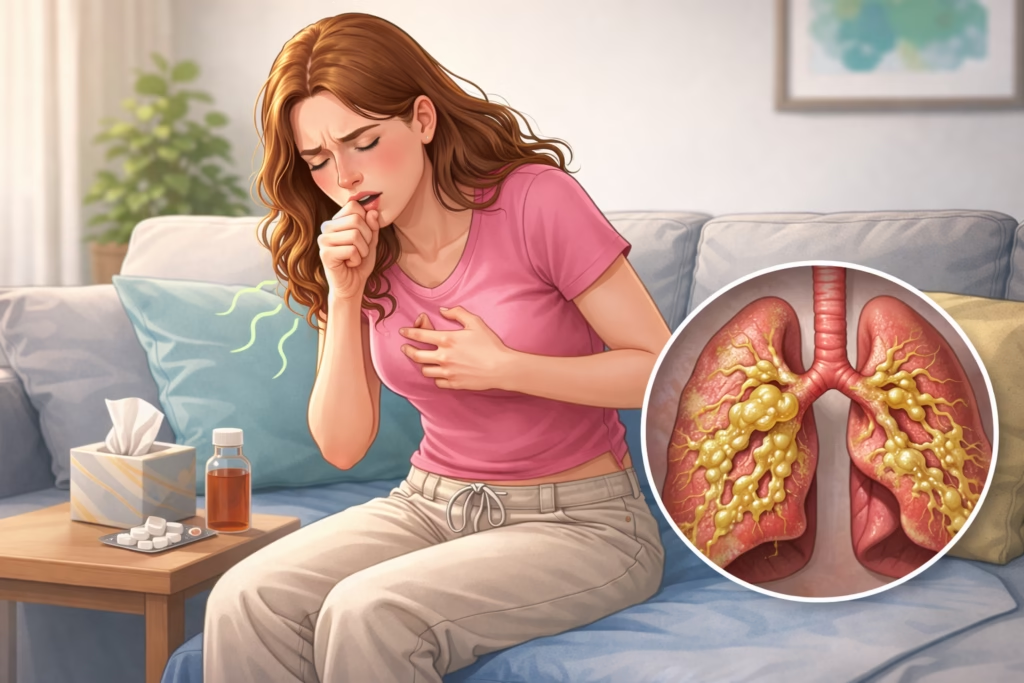
Table of Contents
Introduction

Cystic fibrosis (CF) is a lifelong genetic condition that primarily affects the lungs and digestive system. It alters how certain cells move salt and water in and out, leading to thick, sticky mucus that can clog airways and interfere with digestion. Although CF is a complex medical condition, advances in screening, treatment, and supportive care have significantly improved quality of life and life expectancy for many people living with it. This article provides a clear, evidence-based overview of cystic fibrosis in accessible terms.
Overview / Definition
Cystic fibrosis is an inherited (genetic) disorder caused by changes (mutations) in a gene called the CFTR (cystic fibrosis transmembrane conductance regulator) gene. This gene normally helps control the movement of chloride and water across cell membranes.
When the CFTR protein does not function properly:
- Mucus becomes abnormally thick and sticky
- Airways and ducts can become blocked
- Organs such as the lungs, pancreas, liver, and intestines may be affected
CF is considered a multisystem disease, meaning it can involve several parts of the body.
Causes and Risk Factors
Genetic Cause
- CF is caused by mutations in the CFTR gene
- It is inherited in an autosomal recessive pattern:
- A child must inherit one faulty gene from each parent to develop CF
- Parents who carry one faulty gene usually have no symptoms
Risk Factors
- Having a family history of cystic fibrosis
- Being born to parents who are CF carriers
- CF occurs in all ethnic groups, though it is more common in people of Northern European ancestry
Symptoms and Clinical Presentation
Symptoms vary in type and severity, and may begin in infancy or early childhood.
Respiratory Symptoms
- Persistent coughing
- Recurrent lung infections (e.g., bronchitis or pneumonia)
- Wheezing or shortness of breath
- Thick mucus in the airways
Digestive and Nutritional Symptoms
- Poor weight gain or growth despite a good appetite
- Malabsorption of nutrients
- Greasy, bulky stools
- Abdominal pain or constipation
Other Possible Features
- Salty-tasting skin
- Chronic sinus infections or nasal polyps
- Infertility in many males with CF
- Bone thinning or vitamin deficiencies over time
Diagnosis and Screening
Newborn Screening
In many countries, CF is detected through routine newborn screening, allowing diagnosis before symptoms develop.
Diagnostic Tests
- Sweat chloride test: Measures the amount of salt in sweat; elevated levels suggest CF
- Genetic testing: Identifies CFTR gene mutations
- Lung function tests and imaging may be used to assess disease severity
Early diagnosis is essential for timely treatment and improved outcomes.
Treatment and Management Options
There is currently no cure for cystic fibrosis, but treatment focuses on managing symptoms, preventing complications, and improving quality of life.
Treatment approaches may include:
- CFTR modulator medications (for eligible patients):
- These target the underlying protein defect in specific CFTR mutations
- Airway clearance techniques:
- Physiotherapy and devices to help clear mucus
- Inhaled medications:
- Bronchodilators, mucolytics, and antibiotics
- Pancreatic enzyme replacement therapy (PERT):
- Helps with digestion and nutrient absorption
- Nutritional support:
- High-calorie diets and vitamin supplementation
- Antibiotics:
- Used to treat or prevent lung infections
- Advanced therapies:
- In severe cases, lung transplantation may be considered
Treatment plans are typically individualized and managed by specialized CF care teams.
Prevention and Lifestyle Considerations
While CF itself cannot be prevented after conception, certain strategies support overall health:
Prevention and Planning
- Carrier screening and genetic counseling for prospective parents
- Prenatal testing in known carrier couples
Lifestyle and Daily Care
- Adherence to prescribed therapies
- Regular physical activity to support lung function
- Good nutrition and hydration
- Infection prevention measures, such as hand hygiene and avoiding exposure to respiratory illnesses
- Ongoing monitoring and follow-up at specialized CF centers
Conclusion
Cystic fibrosis is a complex genetic condition that affects multiple body systems, particularly the lungs and digestive tract. Thanks to early screening and major advances in treatment—especially CFTR-targeted therapies—people with CF are living longer and healthier lives than ever before. Understanding the causes, symptoms, diagnostic process, and management strategies helps patients, families, and communities better support those affected.
Medical Disclaimer
This article is intended for educational purposes only and does not replace professional medical advice, diagnosis, or treatment. Individuals with cystic fibrosis or concerns about genetic health should consult qualified healthcare professionals for personalized medical guidance.
Was this page helpful?
Thanks for your feedback! What could we improve?
Thank you! Your feedback helps us improve our guides.
Our Health A–Z guides are written by the True Impact Health Editorial Team and based on reliable sources such as public health agencies, clinical guidelines and peer-reviewed research. This guide has not yet been medically reviewed. Read our editorial process.
This content is for general information and is not a substitute for professional medical advice, diagnosis or treatment.