
















Health A–Z guide
Cosmetic Dentistry
Cosmetic Dentistry: Enhancing Smiles Through Science and Art
Cosmetic dentistry focuses on improving the appearance of teeth, gums, and overall smile while maintaining oral health and function. Advances in dental materials and techniques have made modern cosmetic dentistry…
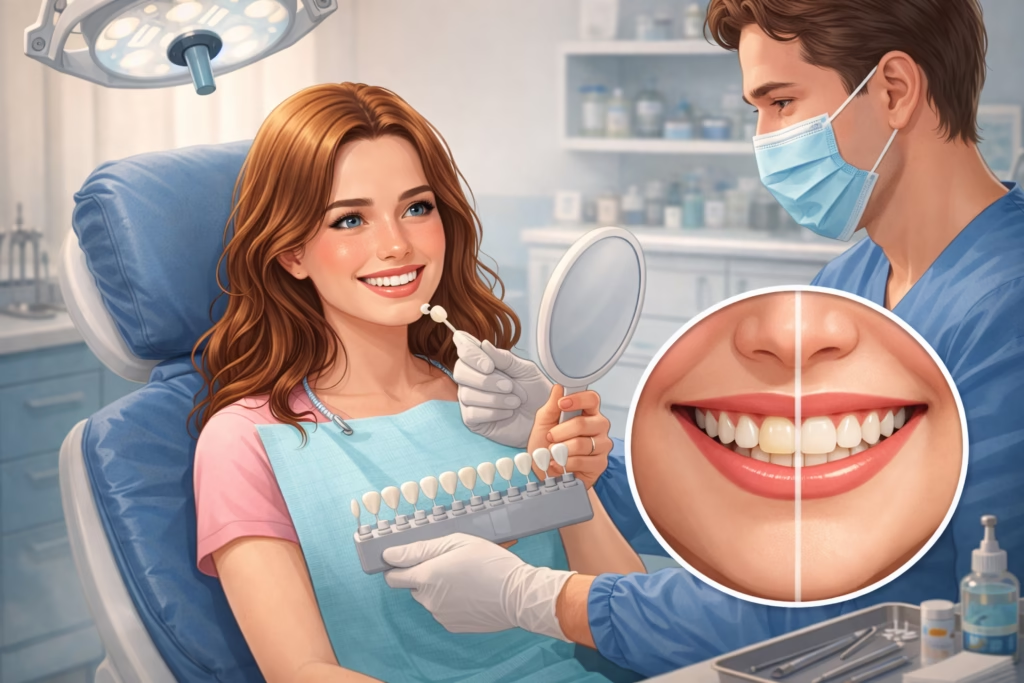
Table of Contents

Cosmetic dentistry focuses on improving the appearance of teeth, gums, and overall smile while maintaining oral health and function. Advances in dental materials and techniques have made modern cosmetic dentistry safer, more effective, and more natural-looking than ever before. Although often associated with aesthetics, many cosmetic dental procedures also support oral function and long-term dental health.
This article provides a clear, medically accurate overview of cosmetic dentistry, including common procedures, indications, benefits, and considerations.
Overview / Definition
Cosmetic dentistry is a branch of dental care aimed at improving the visual aspects of the smile, including:
- Tooth color
- Tooth shape and size
- Alignment and spacing
- Gum appearance
- Overall facial harmony related to the smile
While general dentistry prioritizes oral health and disease prevention, cosmetic dentistry combines clinical science with artistic principles to enhance appearance—often alongside functional benefits such as improved biting or speech.
Causes or Risk Factors Addressed by Cosmetic Dentistry
Cosmetic dental procedures are commonly sought due to changes or concerns that may arise from a variety of factors, including:
- Tooth discoloration
- Aging
- Staining from coffee, tea, wine, or tobacco
- Certain medications or excessive fluoride exposure
- Dental wear or damage
- Chipped, cracked, or worn teeth
- Tooth erosion from acidic diets or gastroesophageal conditions
- Developmental or structural issues
- Uneven tooth size or shape
- Excessive spacing or crowding
- Gum-related concerns
- Uneven gum lines
- Excessive gingival display (“gummy smile”)
- Past dental disease or trauma
- Treated cavities
- Tooth loss or previous dental work affecting appearance
Symptoms or Clinical Presentation
Cosmetic dentistry does not treat symptoms in the traditional medical sense, but individuals may present with concerns such as:
- Dissatisfaction with smile appearance
- Self-consciousness while speaking or smiling
- Visible dental discoloration or asymmetry
- Noticeable chips, gaps, or misalignment
- Disproportion between teeth and gums
These concerns may impact quality of life, social interaction, and self-confidence.
Diagnosis or Screening
Assessment for cosmetic dentistry typically involves a comprehensive dental evaluation, which may include:
- Detailed oral examination of teeth and gums
- Review of dental and medical history
- Digital imaging, photographs, or diagnostic models
- Bite and jaw alignment assessment
- Periodontal (gum health) evaluation
This thorough screening ensures that underlying dental or gum disease is identified and managed before cosmetic treatment is considered.
Treatment or Management Options
Cosmetic dentistry includes a wide range of evidence-based procedures. Selection depends on clinical findings, oral health status, and aesthetic goals.
Common Cosmetic Dental Procedures
- Teeth whitening (bleaching)
- Professional in-office or supervised at-home treatments
- Addresses extrinsic and some intrinsic stains
- Dental veneers
- Thin shells (porcelain or composite) bonded to the front of teeth
- Improve color, shape, and alignment
- Dental bonding
- Tooth-colored resin used to repair chips, gaps, or minor discoloration
- Dental crowns
- Full coverage restorations that improve strength and appearance
- Orthodontic treatments
- Clear aligners or braces for tooth alignment and spacing
- Gum contouring
- Reshaping gum tissue for improved symmetry
- Dental implants
- Replacement of missing teeth with natural-looking restorations
In many cases, cosmetic procedures are combined into a comprehensive treatment plan to achieve balanced and durable results.
Prevention or Lifestyle Considerations
Although cosmetic dentistry focuses on enhancement, long-term results depend heavily on oral health maintenance. Preventive considerations include:
- Maintaining consistent oral hygiene (brushing and flossing)
- Limiting tobacco use and stain-causing foods or drinks
- Attending regular dental checkups and cleanings
- Using protective dental devices when indicated (e.g., night guards for teeth grinding)
- Addressing dental problems early to reduce the need for extensive cosmetic correction
Good oral health habits help preserve both natural teeth and cosmetic dental restorations.
Conclusion
Cosmetic dentistry offers scientifically grounded solutions to enhance the appearance of teeth and smiles while often supporting oral function and health. From whitening and veneers to orthodontics and implants, modern cosmetic treatments are highly customizable, safe, and effective when appropriately planned and performed. A thorough dental evaluation and emphasis on oral health are essential components of any cosmetic approach.
Disclaimer:
This article is intended for educational purposes only and does not replace professional medical or dental advice. Individuals considering cosmetic dental procedures are encouraged to consult a qualified dental healthcare professional for evaluation and personalized recommendations.
Was this page helpful?
Thanks for your feedback! What could we improve?
Thank you! Your feedback helps us improve our guides.
Our Health A–Z guides are written by the True Impact Health Editorial Team and based on reliable sources such as public health agencies, clinical guidelines and peer-reviewed research. This guide has not yet been medically reviewed. Read our editorial process.
This content is for general information and is not a substitute for professional medical advice, diagnosis or treatment.