












Health A–Z guide
Contact Lenses
Contact Lenses: A Comprehensive Medical Overview
Contact lenses are a widely used form of vision correction that offer an alternative to eyeglasses. For millions of people, they provide clearer peripheral...
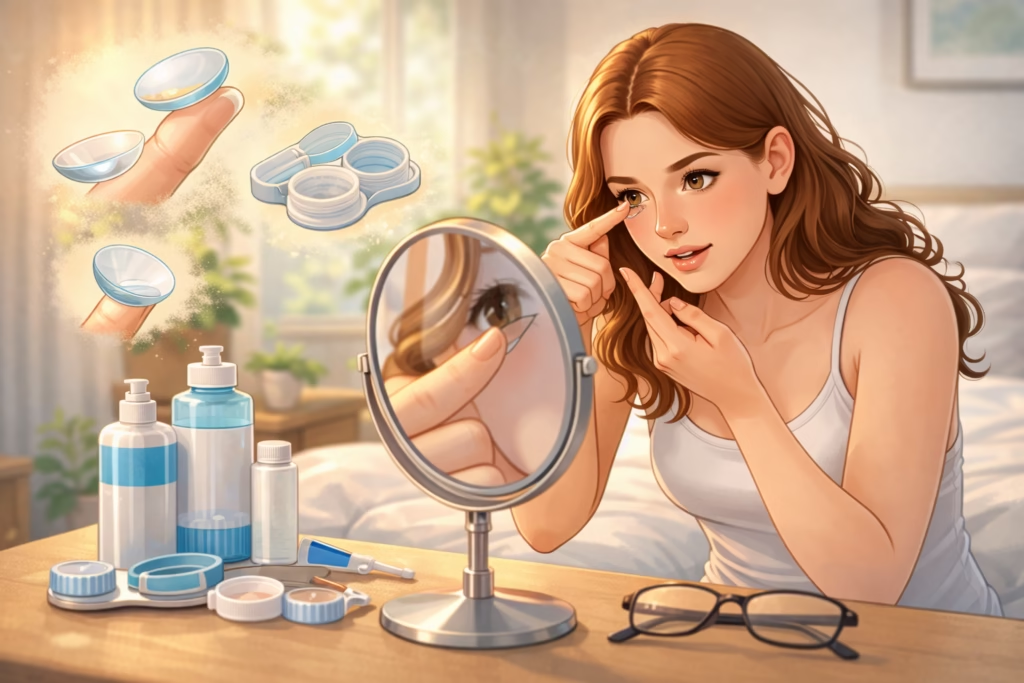
Table of Contents
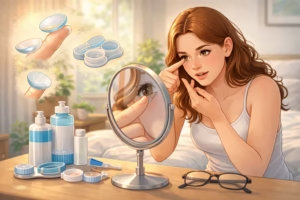
Contact lenses are a widely used form of vision correction that offer an alternative to eyeglasses. For millions of people, they provide clearer peripheral vision, greater convenience during physical activities, and aesthetic preference. While generally safe when used correctly, contact lenses are medical devices that require proper selection, fitting, and care to protect eye health.
This article explains contact lenses in clear, accessible terms, covering their types, benefits, risks, and safe use, using evidence-based information suitable for a general audience.
Overview / Definition
Contact lenses are thin, curved lenses placed directly on the surface of the eye (the cornea) to correct refractive errors. They work by refocusing light so it lands properly on the retina, improving vision.
Contact lenses are commonly used to correct:
- Myopia (nearsightedness)
- Hyperopia (farsightedness)
- Astigmatism
- Presbyopia (age-related near-vision changes)
In addition to vision correction, some contact lenses are used for:
- Cosmetic purposes (e.g., changing eye color)
- Therapeutic purposes (e.g., protecting the cornea after injury or surgery)
Types of Contact Lenses
Contact lenses vary based on material, wear schedule, and function:
By Material
- Soft lenses: Made from flexible plastics that allow oxygen to pass through
- Rigid gas-permeable (RGP) lenses: Firmer lenses that provide sharper vision in certain conditions
By Wear Schedule
- Daily disposable (single-use)
- Biweekly or monthly replacement
- Extended-wear lenses (approved for overnight use under medical supervision)
Specialized Lenses
- Toric lenses for astigmatism
- Multifocal lenses for presbyopia
- Scleral lenses for certain corneal diseases
- Therapeutic bandage lenses for eye protection and healing
Risk Factors Associated With Contact Lens Use
While contact lenses are generally safe, certain factors increase the risk of complications:
- Poor lens hygiene
- Sleeping in lenses not approved for overnight wear
- Wearing lenses longer than recommended
- Infrequent lens replacement
- Inadequate hand washing before handling lenses
- Exposure to water (swimming or showering while wearing lenses)
These factors can disrupt the eye’s natural defenses and increase the risk of infection or inflammation.
Symptoms or Clinical Presentation of Complications
Improper contact lens use may lead to eye irritation or more serious conditions. Symptoms that may signal a problem include:
- Redness or eye pain
- Burning or stinging sensation
- Excessive tearing or discharge
- Blurred vision
- Sensitivity to light
- Feeling of something in the eye
Prompt evaluation is important if such symptoms occur, as early treatment helps prevent lasting damage.
Diagnosis or Screening
Before using contact lenses, individuals typically undergo a comprehensive eye examination, which may include:
- Vision testing
- Corneal measurements
- Tear film assessment
- Lens fitting evaluation
Eye care professionals also screen for conditions that may affect safe lens wear, such as dry eye disease, allergies, or corneal abnormalities. Regular follow-up examinations help monitor eye health over time.
Treatment or Management Options
Management depends on the specific condition or complication:
- Mild irritation may resolve with temporary lens discontinuation
- Inflammation or infection may require prescription eye drops or medications
- Lens refitting may be needed if discomfort persists
- Switching lens types or materials can improve comfort and safety
Early intervention is key to preventing long-term vision problems.
Prevention and Lifestyle Considerations
Maintaining good contact lens hygiene significantly reduces the risk of complications. Evidence-based best practices include:
- Washing and thoroughly drying hands before handling lenses
- Following the prescribed wearing and replacement schedule
- Using only recommended lens cleaning and storage solutions
- Avoiding water exposure while wearing lenses
- Replacing lens cases regularly
- Attending routine eye examinations
Contact lenses should always be used according to professional guidance, as individual eye health needs vary.
Conclusion
Contact lenses are a safe and effective option for vision correction when properly selected, fitted, and maintained. Understanding the types of lenses available, recognizing potential risks, and following evidence-based hygiene practices can help protect eye health and ensure long-term comfort. Regular eye examinations remain essential for detecting problems early and maintaining clear, healthy vision.
Medical Disclaimer
This article is intended for educational purposes only and does not replace professional medical advice. Readers are encouraged to consult a qualified ophthalmologist or optometrist for personalized evaluation, diagnosis, or treatment related to contact lens use or eye health concerns.
Was this page helpful?
Thanks for your feedback! What could we improve?
Thank you! Your feedback helps us improve our guides.
Our Health A–Z guides are written by the True Impact Health Editorial Team and based on reliable sources such as public health agencies, clinical guidelines and peer-reviewed research. This guide has not yet been medically reviewed. Read our editorial process.
This content is for general information and is not a substitute for professional medical advice, diagnosis or treatment.