












Health A–Z guide
Concussion
A concussion is a common yet complex type of brain injury that can happen to anyone, from athletes on the field to individuals who experience a fall or car...
Table of Contents
A concussion is a common yet complex type of brain injury that can happen to anyone, from athletes on the field to individuals who experience a fall or car accident. Although often described as “mild,” concussions are serious medical events that affect how the brain functions. Understanding what a concussion is, how it presents, and how it is managed is essential for early recognition and appropriate care. This article provides a clear, evidence-based overview of concussion in accessible terms for a general audience.
Overview / Definition
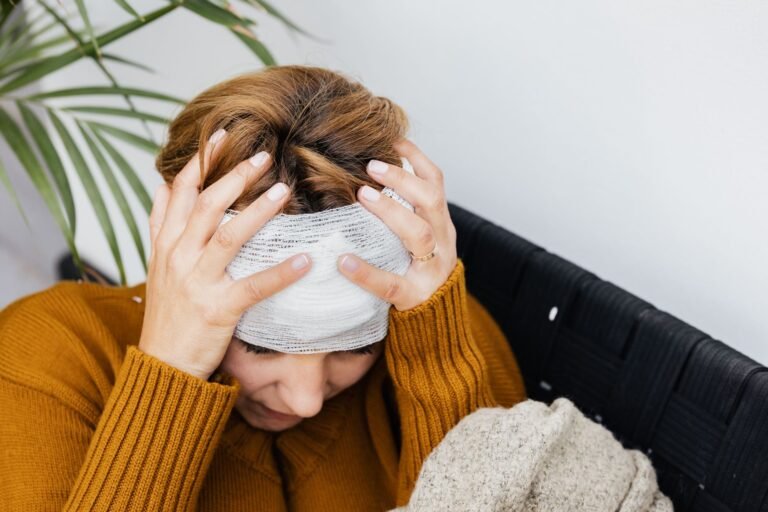
A concussion is a form of mild traumatic brain injury (mTBI) caused by a blow to the head, face, neck, or body that results in rapid movement of the brain within the skull. This movement can temporarily disrupt normal brain function.
Key points to understand:
- A concussion does not always involve loss of consciousness
- Standard imaging tests (such as CT or MRI scans) are often normal
- Symptoms are usually temporary but can be significant and varied
- Repeated concussions can have cumulative effects on brain health
Causes or Risk Factors
Concussions occur when mechanical forces affect the brain. Common causes include:
- Sports and recreational activities (e.g., football, soccer, hockey, cycling)
- Falls, particularly in older adults and young children
- Motor vehicle collisions
- Physical assaults
- Workplace or household accidents
Risk Factors
Certain factors may increase the likelihood or impact of a concussion:
- Participation in contact or high-speed sports
- Previous concussion history
- Inadequate protective equipment
- Young age (developing brains may be more vulnerable)
- Older age, due to balance issues and fall risk
Symptoms or Clinical Presentation
Concussion symptoms can appear immediately or develop over hours to days. They generally fall into four categories:
Physical Symptoms
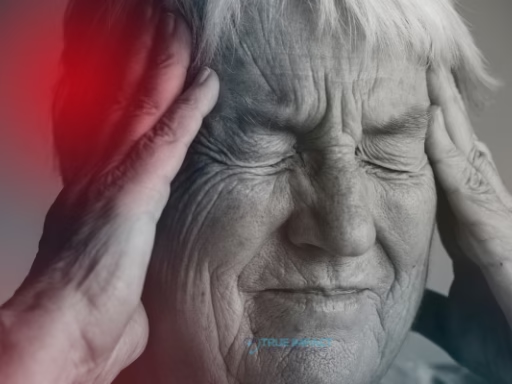
- Headache
- Dizziness or balance problems
- Nausea or vomiting
- Sensitivity to light or noise
- Visual disturbances
Cognitive Symptoms
- Difficulty concentrating
- Memory problems
- Feeling mentally “foggy” or slowed down
- Confusion
Emotional and Behavioral Symptoms
- Irritability
- Anxiety
- Mood changes
- Depression
Sleep-Related Symptoms
- Drowsiness
- Sleeping more or less than usual
- Difficulty falling asleep
Symptoms can vary in severity and duration. While many people recover within a few weeks, some experience prolonged symptoms, sometimes referred to as post-concussion syndrome.
Diagnosis or Screening
There is no single test that definitively diagnoses a concussion. Diagnosis is based on:
- A detailed medical history, including how the injury occurred
- Symptom assessment
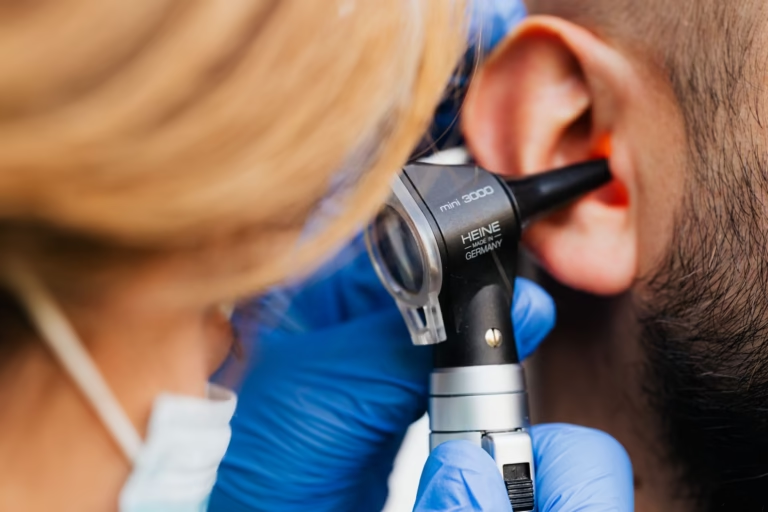
- Neurological examination (balance, coordination, vision, reflexes)
- Cognitive screening tools
Imaging studies such as CT or MRI scans may be used to rule out more serious brain injuries (e.g., bleeding or fractures) but often appear normal in uncomplicated concussions.
Treatment or Management Options
Management of concussion focuses on symptom-guided recovery and gradual return to activity.
Common approaches include:
- Initial rest: Short-term physical and cognitive rest following injury
- Gradual return to activity: Stepwise increase in mental and physical activity based on symptom tolerance
- Symptom management: Addressing headaches, sleep issues, or mood changes as appropriate
- Monitoring: Follow-up assessments to track recovery and detect persistent symptoms
Most individuals recover fully with appropriate management. Returning to high-risk activities too soon increases the risk of prolonged recovery or additional injury.
Prevention or Lifestyle Considerations
While not all concussions are preventable, risk can be reduced through sensible precautions:
- Wearing appropriate protective gear during sports and recreational activities
- Following safety rules and fair-play guidelines
- Using seatbelts and appropriate child restraints in vehicles
- Reducing fall risks at home (e.g., proper lighting, secure rugs)
- Educating athletes, parents, and coaches about early symptom recognition
Prevention also includes fostering a culture that prioritizes brain health and encourages reporting symptoms rather than ignoring them.
Conclusion
A concussion is a medically significant brain injury that can affect physical, cognitive, emotional, and sleep-related functions. Although often temporary, its effects should never be minimized. Early recognition, appropriate evaluation, and proper management are key to recovery and long-term brain health. Increased awareness and prevention strategies play an important role in reducing the risks associated with concussion.
Medical Disclaimer
This article is intended for educational purposes only and does not replace professional medical evaluation or treatment. If you suspect a concussion or have concerns about head injury symptoms, consult a qualified healthcare professional for proper assessment and guidance.
Was this page helpful?
Thanks for your feedback! What could we improve?
Thank you! Your feedback helps us improve our guides.
Our Health A–Z guides are written by the True Impact Health Editorial Team and based on reliable sources such as public health agencies, clinical guidelines and peer-reviewed research. This guide has not yet been medically reviewed. Read our editorial process.
This content is for general information and is not a substitute for professional medical advice, diagnosis or treatment.