










Health A–Z guide
Broken Bones
Broken Bones: Understanding Fractures, Their Causes, and Treatment
Broken bones, medically known as fractures, are among the most common injuries affecting people of all ages. From childhood falls to sports injuries and age-related bone weakness, fractures can occur…
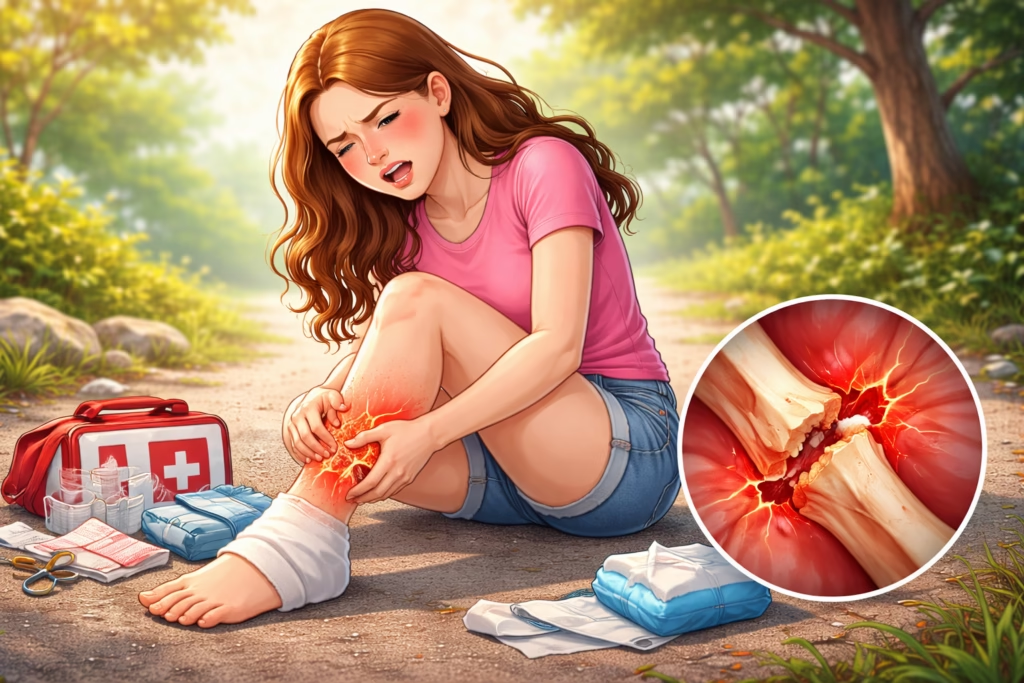
Table of Contents
Broken bones, medically known as fractures, are among the most common injuries affecting people of all ages. From childhood falls to sports injuries and age-related bone weakness, fractures can occur in many everyday situations. While the term “broken bone” may sound alarming, modern medical care offers effective ways to diagnose, treat, and prevent complications from these injuries.
This article provides a clear, medically accurate overview of broken bones, what they are, why they occur, how they are treated, and how they can often be prevented.
Overview: What Are Broken Bones?
A broken bone (fracture) refers to a disruption in the normal continuity of a bone. Fractures can range from small cracks to complete breaks and may affect any bone in the body. They vary widely in severity, location, and complexity.
Common types of fractures include:
- Closed (simple) fractures – the bone breaks but does not penetrate the skin
- Open (compound) fractures – the broken bone breaks through the skin
- Stress fractures – small cracks caused by repetitive force or overuse
- Comminuted fractures – the bone breaks into multiple pieces
- Greenstick fractures – incomplete breaks, more common in children
Causes and Risk Factors
Broken bones occur when a force is applied that exceeds the strength of the bone. Several factors can increase the risk of fractures.
Common Causes
- Falls (especially from standing height or greater)
- Motor vehicle accidents
- Sports injuries or high-impact activities
- Direct blows or trauma
- Repetitive stress on bones (e.g., running long distances)
Risk Factors
- Age: Children and older adults are at higher risk
- Osteoporosis or low bone density
- Poor nutrition, especially inadequate calcium or vitamin D
- Certain medical conditions affecting bone health
- Use of tobacco or excessive alcohol
- Balance or vision problems that increase fall risk
Symptoms and Clinical Presentation
The symptoms of a broken bone can vary depending on the location and severity of the fracture.
Common signs and symptoms include:
- Pain that worsens with movement
- Swelling or bruising around the injured area
- Visible deformity or abnormal positioning
- Difficulty or inability to use the affected limb
- Tenderness to the touch
- In open fractures, visible bone or an open wound
Some fractures, particularly stress fractures, may cause only mild pain initially and worsen gradually.
Diagnosis and Screening
Healthcare professionals diagnose broken bones using a combination of clinical evaluation and imaging studies.
Diagnostic Methods
- Physical examination to assess pain, swelling, and movement
- X-rays – the most common imaging test for fractures
- CT scans or MRI – used for complex fractures or those involving joints, spine, or soft tissue
- Bone scans – sometimes used to detect stress fractures
Prompt diagnosis helps guide appropriate treatment and reduces the risk of complications.
Treatment and Management Options
Treatment depends on the type, location, and severity of the fracture, as well as the patient’s overall health.
Common Treatment Approaches
- Immobilization
- Casts, splints, or braces to keep the bone in proper alignment
- Reduction
- Manual or surgical realignment of the bone
- Surgery
- Metal plates, screws, rods, or pins may be used in severe fractures
- Pain management
- Medications and non-pharmacological strategies as recommended by healthcare providers
- Rehabilitation
- Physical therapy to restore strength, mobility, and function
Healing times vary from weeks to months, depending on the bone involved and individual factors.
Prevention and Lifestyle Considerations
While not all fractures are preventable, many strategies can reduce risk and support bone health.
Prevention Tips
- Maintain adequate calcium and vitamin D intake
- Engage in weight-bearing and strength-building exercises
- Use protective gear during sports and high-risk activities
- Reduce fall risks at home (e.g., good lighting, removing tripping hazards)
- Avoid smoking and excessive alcohol consumption
- Attend regular health check-ups, especially for bone density screening in at-risk individuals
Conclusion: Key Takeaways About Broken Bones
Broken bones are common injuries that range from minor cracks to severe breaks requiring surgical care. Understanding the causes, symptoms, and treatment options can help individuals recognize fractures early and seek appropriate medical evaluation. With proper diagnosis, treatment, and preventive measures, most fractures heal well and allow people to return to their usual activities.
Medical Disclaimer
This article is for educational purposes only and does not replace professional medical advice. If you suspect a broken bone or have concerns about bone health, consult a qualified healthcare professional for evaluation and guidance.
By staying informed and proactive, individuals can better protect their bone health and respond effectively if injuries occur.
Was this page helpful?
Thanks for your feedback! What could we improve?
Thank you! Your feedback helps us improve our guides.
Our Health A–Z guides are written by the True Impact Health Editorial Team and based on reliable sources such as public health agencies, clinical guidelines and peer-reviewed research. This guide has not yet been medically reviewed. Read our editorial process.
This content is for general information and is not a substitute for professional medical advice, diagnosis or treatment.