















Health A–Z guide
Brain & Nervous System
Brain & Nervous System: An Essential Guide to How the Body Communicates and Functions
The brain and nervous system form the body’s central command center, controlling everything from movement and sensation to thoughts, emotions, and...
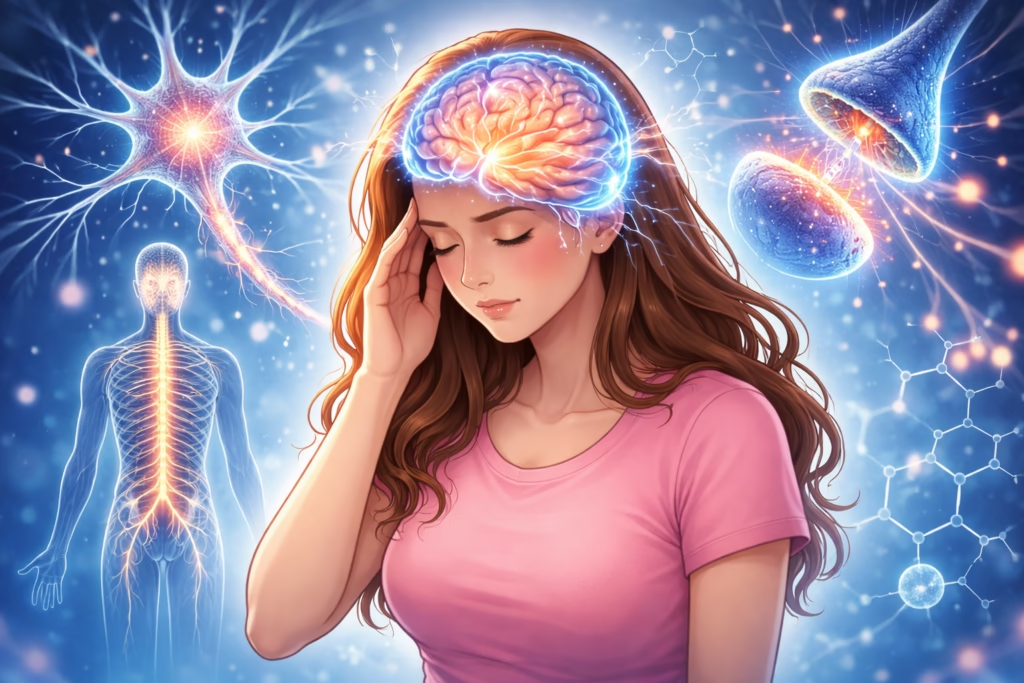
Table of Contents
The brain and nervous system form the body’s central command center, controlling everything from movement and sensation to thoughts, emotions, and breathing. Together, they allow us to interact with the world, adapt to our environment, and maintain vital bodily functions. Understanding how this complex system works, and what can threaten its health, can empower individuals to recognize problems early and support long-term neurological well-being.
Overview: What Are the Brain and Nervous System?
The nervous system is a highly organized network of cells that transmit signals throughout the body. It is broadly divided into two main parts:
1. Central Nervous System (CNS)
- Brain: Responsible for thinking, memory, emotions, coordination, and control of bodily functions
- Spinal cord: Acts as a communication highway between the brain and the rest of the body
2. Peripheral Nervous System (PNS)
- Consists of nerves outside the brain and spinal cord
- Includes:
- Somatic nervous system (voluntary movements)
- Autonomic nervous system (involuntary functions such as heart rate and digestion)
Together, these systems regulate both conscious and automatic processes essential for survival.
Causes and Risk Factors Affecting the Nervous System
Disorders of the brain and nervous system can result from a wide range of factors. Some conditions are present at birth, while others develop over time.
Common causes and risk factors include:
- Genetic or inherited conditions
- Traumatic brain or spinal cord injuries
- Infections (e.g., meningitis, encephalitis)
- Stroke or reduced blood flow to the brain
- Neurodegenerative diseases (e.g., Alzheimer’s disease, Parkinson’s disease)
- Autoimmune disorders affecting nerves (e.g., multiple sclerosis)
- Exposure to toxins (heavy metals, certain chemicals)
- Chronic conditions such as diabetes or hypertension
- Aging, which naturally increases neurological risk
Symptoms and Clinical Presentation
Symptoms of nervous system disorders vary widely depending on the area affected and the underlying cause. They may develop suddenly or progress gradually.
Common neurological symptoms include:
- Headaches or persistent pain
- Memory loss or cognitive changes
- Weakness or paralysis
- Numbness or tingling sensations
- Difficulty speaking or understanding language
- Problems with balance or coordination
- Seizures
- Vision or hearing disturbances
- Changes in mood, behavior, or personality
Any new, severe, or rapidly worsening neurological symptoms should be medically evaluated.
Diagnosis and Screening
Diagnosing conditions of the brain and nervous system often requires a combination of clinical evaluation and diagnostic testing.
Common diagnostic approaches include:
- Detailed medical history and neurological examination
- Imaging studies:
- MRI (Magnetic Resonance Imaging)
- CT (Computed Tomography) scans
- Electrodiagnostic tests:
- EEG (Electroencephalogram)
- EMG (Electromyography)
- Blood tests to identify infections, inflammation, or metabolic issues
- Lumbar puncture (spinal tap) in selected cases
- Cognitive or neuropsychological testing
Early diagnosis can improve outcomes and guide appropriate management.
Treatment and Management Options
Treatment depends on the specific condition, severity, and individual health factors. In many cases, a multidisciplinary approach is used.
Management strategies may include:
- Medications to control symptoms, inflammation, or disease progression
- Physical, occupational, or speech therapy
- Surgical interventions when necessary (e.g., tumors, spinal compression)
- Lifestyle modifications to support neurological health
- Psychological or behavioral therapy for cognitive or emotional symptoms
- Long-term rehabilitation and supportive care for chronic conditions
While some neurological disorders are curable, others are managed to slow progression and maintain quality of life.
Prevention and Lifestyle Considerations
Although not all neurological conditions are preventable, certain lifestyle choices can reduce risk and support brain health.
Evidence-based strategies include:
- Maintaining healthy blood pressure, cholesterol, and blood sugar levels
- Engaging in regular physical activity
- Eating a balanced, nutrient-rich diet
- Avoiding smoking and excessive alcohol consumption
- Protecting the head and spine from injury (e.g., helmets, seat belts)
- Managing stress and prioritizing adequate sleep
- Staying mentally and socially active
These habits benefit both neurological function and overall health.
Conclusion: Key Takeaways
The brain and nervous system are vital to every aspect of human life, from basic survival to complex thought and emotion. Disorders affecting this system can have significant physical, cognitive, and emotional impacts, but early recognition, accurate diagnosis, and appropriate management can make a meaningful difference. Supporting brain health through informed lifestyle choices and routine medical care is an important investment in long-term well-being.
Medical Disclaimer
This article is intended for educational purposes only and does not replace professional medical advice, diagnosis, or treatment. Always consult a qualified healthcare professional with questions or concerns about brain or nervous system health.
Was this page helpful?
Thanks for your feedback! What could we improve?
Thank you! Your feedback helps us improve our guides.
Our Health A–Z guides are written by the True Impact Health Editorial Team and based on reliable sources such as public health agencies, clinical guidelines and peer-reviewed research. This guide has not yet been medically reviewed. Read our editorial process.
This content is for general information and is not a substitute for professional medical advice, diagnosis or treatment.