















Health A–Z guide
Bone Cancer
Bone Cancer: Understanding a Rare but Serious Condition
Bone cancer is an uncommon but potentially life‑threatening disease that begins in the cells that form bone. While most bone tumors are benign (non‑cancerous), malignant bone cancers require prompt diagnosis…
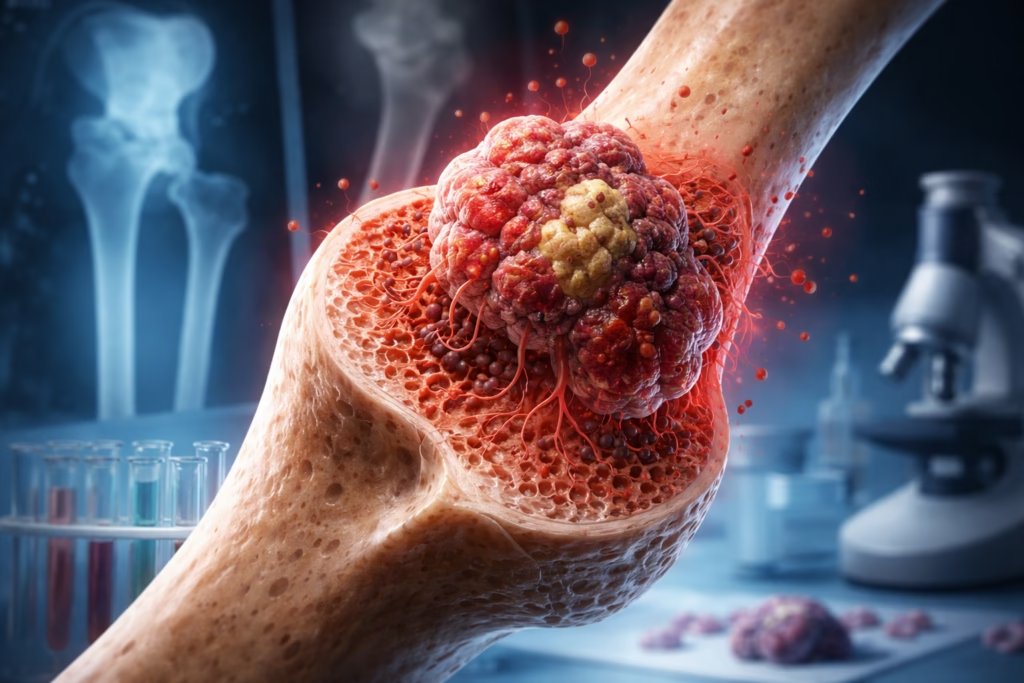
Table of Contents
Bone cancer is an uncommon but potentially life‑threatening disease that begins in the cells that form bone. While most bone tumors are benign (non‑cancerous), malignant bone cancers require prompt diagnosis and specialized treatment. Because symptoms can resemble more common orthopedic conditions, bone cancer is sometimes diagnosed later in its course. This article provides a clear, medically accurate overview of bone cancer, including its causes, symptoms, diagnosis, and treatment options, to help readers better understand this complex condition.
Overview: What Is Bone Cancer?
Bone cancer refers to a group of malignant tumors that originate in bone tissue. It is distinct from secondary (metastatic) bone cancer, which occurs when cancers from other organs—such as the breast, lung, or prostate—spread to the bones. Primary bone cancer is rare, accounting for less than 1% of all cancers.
Common Types of Primary Bone Cancer
The main types differ based on the type of bone cell involved and the age group most commonly affected:
- Osteosarcoma
- Most common type
- Often affects children, adolescents, and young adults
- Typically arises in long bones such as the femur or tibia
- Chondrosarcoma
- Develops from cartilage cells
- More common in middle-aged and older adults
- Ewing Sarcoma
- Rare and aggressive
- Primarily affects children and teenagers
- Often involves the pelvis, ribs, or long bones
Causes and Risk Factors
The exact cause of bone cancer is not fully understood, but it is believed to result from genetic mutations that cause abnormal bone cell growth. Several factors are associated with an increased risk.
Known Risk Factors
- Age
- Osteosarcoma and Ewing sarcoma are more common in younger individuals
- Chondrosarcoma typically occurs later in adulthood
- Genetic conditions, such as:
- Li-Fraumeni syndrome
- Hereditary retinoblastoma
- Previous radiation therapy, especially high-dose radiation during childhood
- Certain bone disorders, including:
- Paget’s disease of bone
- Multiple benign bone tumors (rare cases)
In many individuals, however, bone cancer develops without any identifiable risk factors.
Symptoms and Clinical Presentation
Symptoms of bone cancer can be subtle at first and may worsen over time. They are often mistaken for injuries, arthritis, or growing pains, particularly in younger patients.
Common Symptoms
- Persistent bone pain, often worse at night or with activity
- Swelling or a palpable lump near the affected bone
- Limited movement or stiffness in a nearby joint
- Bone fractures occurring with minimal trauma
- General symptoms such as:
- Fatigue
- Unintended weight loss
- Fever (less common)
The severity and combination of symptoms vary depending on the tumor’s size, location, and type.
Diagnosis and Screening
There is no routine screening test for bone cancer. Diagnosis typically begins when persistent symptoms prompt medical evaluation.
Diagnostic Steps
- Medical history and physical examination
- Imaging studies, including:
- X-rays (often the first step)
- MRI or CT scans to assess tumor size and spread
- Bone scans or PET scans in certain cases
- Biopsy
- A sample of tissue is removed and examined under a microscope
- This is essential to confirm the diagnosis and determine the cancer type
Accurate diagnosis is critical, as treatment strategies vary significantly among different forms of bone cancer.
Treatment and Management Options
Treatment depends on the type of bone cancer, its stage, location, and the patient’s overall health. Management typically involves a multidisciplinary medical team.
Common Treatment Approaches
- Surgery
- Primary treatment for most bone cancers
- Focuses on removing the tumor while preserving limb function when possible
- Chemotherapy
- Often used before surgery (neoadjuvant) to shrink tumors
- May be given after surgery to reduce the risk of recurrence
- Radiation therapy
- Used when surgery is not feasible or as an adjunct treatment
- Particularly important in Ewing sarcoma and certain chondrosarcomas
- Targeted or newer therapies
- Used in selected cases depending on tumor biology
Rehabilitation and physical therapy often play an important role in recovery and long-term function after treatment.
Prevention and Lifestyle Considerations
There is no proven way to prevent most cases of bone cancer, as many risk factors are non‑modifiable. However, general cancer‑prevention principles remain relevant.
General Health Considerations
- Avoid unnecessary exposure to high-dose radiation
- Manage known bone diseases under medical supervision
- Seek medical evaluation for persistent or unexplained bone pain
- Maintain overall bone health through balanced nutrition and physical activity
Early evaluation of suspicious symptoms can lead to earlier diagnosis and improved outcomes.
Conclusion: Key Takeaways About Bone Cancer
Bone cancer is a rare but serious disease that requires specialized care. While its symptoms can mimic more common conditions, persistent pain or unexplained bone changes should never be ignored. Advances in imaging, surgery, chemotherapy, and supportive care have significantly improved survival and quality of life for many patients. Increased awareness and timely medical evaluation remain essential components of effective management.
Medical Disclaimer
This article is intended for educational purposes only and does not replace professional medical advice, diagnosis, or treatment. If you have concerns about bone pain or other symptoms, consult a qualified healthcare professional for personalized evaluation and care.
Was this page helpful?
Thanks for your feedback! What could we improve?
Thank you! Your feedback helps us improve our guides.
Our Health A–Z guides are written by the True Impact Health Editorial Team and based on reliable sources such as public health agencies, clinical guidelines and peer-reviewed research. This guide has not yet been medically reviewed. Read our editorial process.
This content is for general information and is not a substitute for professional medical advice, diagnosis or treatment.