















Health A–Z guide
Arrhythmia
Arrhythmia: Understanding Irregular Heart Rhythms
Your heart works as an incredibly reliable pump, beating in a steady, coordinated rhythm to circulate blood throughout your body. When that rhythm becomes...
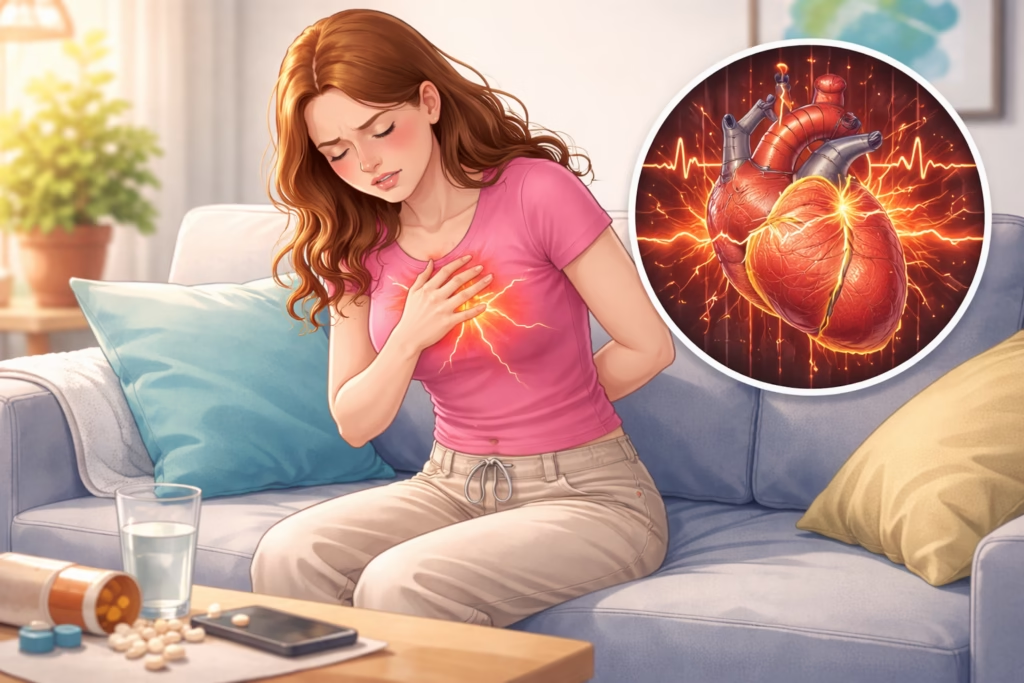
Table of Contents

Your heart works as an incredibly reliable pump, beating in a steady, coordinated rhythm to circulate blood throughout your body. When that rhythm becomes irregular—too fast, too slow, or erratic, it’s known as an arrhythmia. While some arrhythmias are harmless, others can signal serious underlying heart conditions that require medical attention.
This article provides a clear, medically accurate overview of arrhythmias, including what they are, why they occur, how they are diagnosed, and what treatment options are available.
Overview: What Is an Arrhythmia?
An arrhythmia is a disorder of the heart’s electrical system that affects how the heart beats. Normally, electrical signals follow a precise pathway through the heart, ensuring regular contractions. When this pathway is disrupted, the heart may beat:
- Too fast (tachycardia)
- Too slow (bradycardia)
- Irregularly or erratically
Arrhythmias can occur in people with otherwise healthy hearts or alongside structural heart disease.
Common Types of Arrhythmias
- Atrial fibrillation (AFib): Irregular and often rapid heartbeat originating in the atria
- Supraventricular tachycardia (SVT): Fast heart rhythm starting above the ventricles
- Ventricular tachycardia: Rapid rhythm originating in the ventricles; potentially life-threatening
- Ventricular fibrillation: Chaotic ventricular activity; a medical emergency
- Heart block: Delay or interruption of electrical signals
Causes and Risk Factors
Arrhythmias can result from a variety of cardiac and non-cardiac factors. Sometimes, the cause remains unclear.
Common Causes
- Coronary artery disease or prior heart attack
- Structural heart abnormalities
- High blood pressure
- Heart failure
- Inflammation of the heart (myocarditis)
- Electrolyte imbalances (e.g., potassium or magnesium)
Risk Factors
- Advanced age
- Family history of heart rhythm disorders
- Diabetes or thyroid disease
- Excessive alcohol or stimulant use (e.g., caffeine, illegal drugs)
- Certain medications
Symptoms and Clinical Presentation
The symptoms of arrhythmia vary widely depending on the type, duration, and individual health status. Some people experience no symptoms at all.
Possible Symptoms
- Palpitations (fluttering or racing sensation in the chest)
- Dizziness or lightheadedness
- Shortness of breath
- Fatigue or weakness
- Chest discomfort
- Fainting (syncope)
Severe arrhythmias can interfere with the heart’s ability to pump blood effectively, potentially leading to stroke, heart failure, or sudden cardiac arrest.
Diagnosis and Screening
Diagnosing an arrhythmia often requires capturing the heart’s electrical activity during symptoms or over time.
Common Diagnostic Tools
- Electrocardiogram (ECG/EKG): Records electrical activity of the heart
- Holter monitor: Continuous ECG monitoring over 24–48 hours
- Event monitor: Longer-term monitoring for intermittent symptoms
- Echocardiogram: Ultrasound imaging to assess heart structure
- Electrophysiology study: Specialized test to map electrical pathways
Additional blood tests or imaging may help identify contributing conditions.
Treatment and Management Options
Treatment depends on the type of arrhythmia, severity of symptoms, and overall health.
Management Approaches May Include
Medications
- Antiarrhythmic drugs to control heart rhythm
- Rate-control medications (e.g., beta-blockers)
- Blood thinners to reduce stroke risk in conditions like atrial fibrillation
Procedures
- Cardioversion: Electric or medication-based resetting of heart rhythm
- Catheter ablation: Targeted destruction of abnormal electrical pathways
- Pacemaker: Device to regulate slow heart rhythms
- Implantable cardioverter-defibrillator (ICD): Prevents life-threatening ventricular arrhythmias
Treatment plans are individualized and guided by cardiology specialists.
Prevention and Lifestyle Considerations
While not all arrhythmias can be prevented, certain lifestyle measures may reduce risk or improve heart health.
General Heart-Healthy Practices
- Managing blood pressure, cholesterol, and blood sugar
- Limiting alcohol and avoiding tobacco
- Maintaining a balanced diet and healthy weight
- Engaging in regular, appropriate physical activity
- Managing stress and getting adequate sleep
Monitoring existing heart conditions and following medical recommendations plays a critical role in prevention.
Conclusion: Key Takeaways About Arrhythmia
Arrhythmias are disruptions in the heart’s normal rhythm that range from benign to life-threatening. Understanding the causes, recognizing symptoms, and seeking proper medical evaluation are essential steps in managing these conditions. Advances in diagnosis and treatment have made many arrhythmias highly manageable, allowing individuals to maintain a good quality of life with appropriate care.
Medical Disclaimer
This article is intended for educational purposes only and does not replace professional medical advice, diagnosis, or treatment. If you have symptoms or concerns related to heart rhythm disorders, consult a qualified healthcare professional for personalized evaluation and guidance.
Was this page helpful?
Thanks for your feedback! What could we improve?
Thank you! Your feedback helps us improve our guides.
Our Health A–Z guides are written by the True Impact Health Editorial Team and based on reliable sources such as public health agencies, clinical guidelines and peer-reviewed research. This guide has not yet been medically reviewed. Read our editorial process.
This content is for general information and is not a substitute for professional medical advice, diagnosis or treatment.