
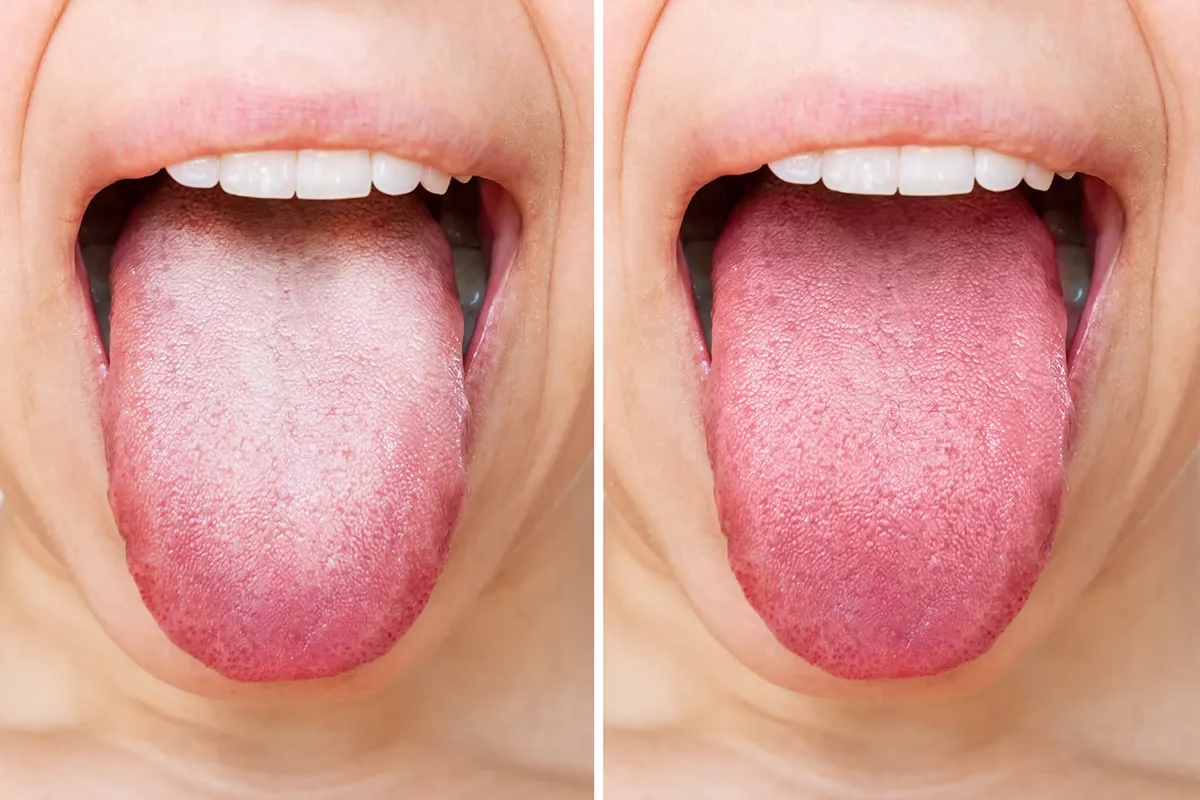
An orange discoloration of the tongue can be surprising and, in some cases, concerning. However, this presentation is often benign and temporary, typically resulting from external factors such as diet or oral hygiene. Nonetheless, persistent or unexplained discoloration may indicate underlying oral or systemic conditions.
A clear understanding of the causes, clinical significance, and treatment approaches is essential for effective management. This article provides a structured and detailed explanation of orange tongue, including its etiology, treatment strategies, and preventive measures.
Understanding Orange Tongue
Definition and Appearance
Orange tongue refers to a visible orange or yellow-orange coating on the surface of the tongue. This discoloration may appear uniformly across the tongue or present in patchy areas.
Clinical Significance
The tongue serves as an important indicator of oral and general health. Changes in its color or texture may reflect alterations in bacterial balance, hydration status, or systemic conditions.
Moreover, persistent discoloration can interfere with taste perception, contribute to halitosis, and affect overall oral comfort.
Common Causes of Orange Tongue
Dietary Pigments
Foods and beverages containing strong natural or artificial pigments can temporarily stain the tongue. Substances such as carrot-based products, turmeric, and colored sweets often leave residues that adhere to the tongue’s surface.
In most cases, this form of discoloration resolves quickly with routine oral hygiene.
Poor Oral Hygiene
Inadequate cleaning of the oral cavity allows the accumulation of bacteria, food debris, and dead cells. This buildup forms a coating on the tongue, which can trap pigments and promote discoloration.
Furthermore, bacterial overgrowth contributes to unpleasant breath and may exacerbate staining.
Dehydration and Dry Mouth
Saliva plays a critical role in cleansing the oral cavity. Reduced saliva production, whether due to dehydration or certain medical conditions, limits this natural cleansing process.
As a result, bacteria and debris accumulate more easily, leading to visible discoloration.
Oral Thrush or Yeast Overgrowth
Overgrowth of Candida species may produce discolored patches on the tongue. While typically associated with white lesions, these patches may appear orange under certain conditions.
This condition is often accompanied by discomfort, altered taste, or a sensation of dryness.
Smoking and Tobacco Use
Tobacco products introduce tar and nicotine into the oral cavity, both of which can stain the tongue and teeth. Additionally, smoking alters the oral environment, increasing susceptibility to infections and chronic discoloration.
Medication and Supplements
Certain medications, including antibiotics, as well as supplements such as iron or B-complex vitamins, may alter oral flora or directly stain the tongue. These effects are usually temporary and resolve after discontinuation or completion of treatment.
When to Seek Professional Medical Advice
Although many cases of orange tongue are harmless, professional evaluation is warranted under specific circumstances.
Persistent Discoloration
If the discoloration persists beyond two weeks despite improved oral hygiene, further assessment is necessary.
Pain or Swelling
Discomfort, burning sensations, or swelling may indicate infection or inflammation.
Unremovable Patches
White or discolored patches that cannot be removed through brushing may suggest fungal infection or other pathology.
Difficulty Swallowing or Severe Halitosis
These symptoms may reflect more advanced oral or systemic conditions requiring medical attention.
Signs of Infection
Fever, throat pain, or swollen lymph nodes may indicate systemic involvement and should prompt immediate evaluation.
Home Remedies for Orange Tongue
Improving Oral Hygiene
Regular brushing of both teeth and tongue is essential. Using a soft-bristled toothbrush and fluoride toothpaste helps remove debris and bacterial buildup.
Tongue scraping further enhances cleaning by physically removing surface coatings.
Flossing and the use of antimicrobial mouthwash reduce bacterial load and support overall oral health.
Maintaining Adequate Hydration
Consistent fluid intake supports saliva production, which naturally cleanses the tongue.
Additionally, sugar-free gum or lozenges may stimulate saliva flow in individuals experiencing dry mouth.
Dietary Adjustments
Reducing consumption of highly pigmented foods allows the tongue to return to its natural color.
Incorporating crunchy fruits and vegetables, such as apples and celery, provides a mild mechanical cleaning effect.
Natural Antiseptic Approaches
Saltwater rinses help reduce bacterial presence and soothe oral tissues.
Baking soda may be used to gently cleanse the tongue and neutralize acidic conditions.
Probiotic foods, including yogurt with live cultures, may support a balanced oral microbiome.
Medical Treatments for Persistent Cases
Antifungal or Antibacterial Therapy
When infection is suspected, healthcare providers may prescribe topical or systemic medications to target the underlying cause.
Prescription Mouthwashes
Medicated rinses, such as chlorhexidine, are effective in controlling bacterial overgrowth and improving oral hygiene.
Nutritional Supplementation
If deficiencies are identified, targeted supplementation may help restore normal oral conditions and resolve discoloration.
Smoking Cessation Support
For individuals who use tobacco, cessation programs, counseling, or pharmacological aids can significantly improve oral health and reduce recurrence.
Prevention Strategies
Consistent Oral Care
Daily brushing, flossing, and tongue cleaning are fundamental to maintaining oral health and preventing discoloration.
Adequate Hydration
Maintaining sufficient water intake supports saliva production and reduces bacterial accumulation.
Balanced Diet
Limiting highly pigmented foods and maintaining a balanced diet contribute to overall oral health.
Regular Dental Visits
Routine dental check-ups enable early detection of oral conditions and ensure professional cleaning when necessary.
Conclusion
Orange tongue is typically a benign and reversible condition, often associated with dietary factors or oral hygiene practices. However, persistent or symptomatic cases may indicate underlying health concerns that require professional evaluation.
Through consistent oral care, proper hydration, and timely medical consultation when needed, individuals can effectively manage and prevent this condition. Maintaining awareness of oral health changes remains essential for overall well-being.