
Congestive Heart Failure in Dogs: Understanding the Final Stages
Congestive heart failure (CHF) in dogs is a progressive and life-limiting condition that places both physical and emotional strain on pets and their caregivers. As the disease advances, clinical management shifts from prolonging life to preserving comfort and dignity.
Understanding the final stages of CHF is essential for making informed decisions, recognizing critical warning signs, and ensuring that affected dogs receive compassionate and appropriate care. This article provides a detailed and structured overview of disease progression, end-stage symptoms, and supportive care strategies.

A Quick Refresher on Canine Congestive Heart Failure
What Is CHF?
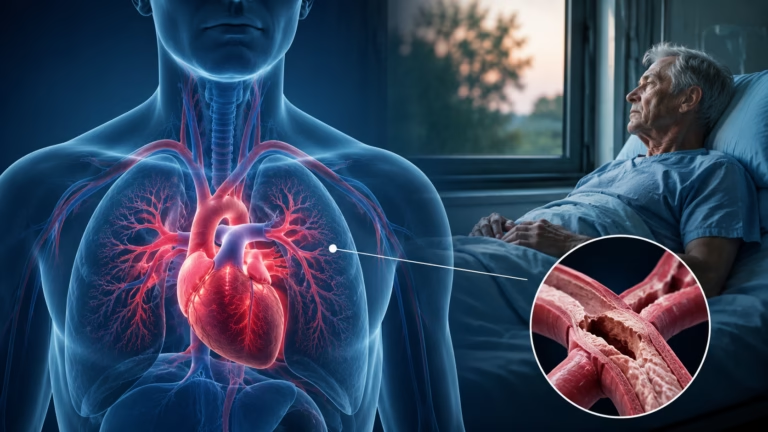
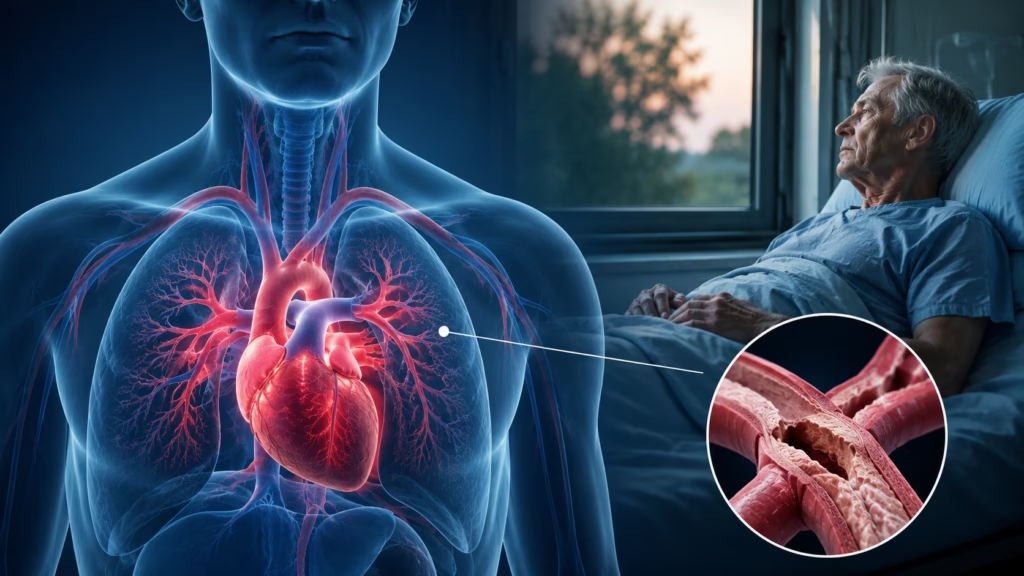
Congestive heart failure is a condition in which the heart loses its ability to pump blood efficiently. As cardiac output declines, blood begins to accumulate within the circulatory system, leading to fluid buildup in the lungs, abdomen, or other tissues.
This fluid accumulation, referred to as congestion, interferes with normal organ function. Pulmonary congestion impairs breathing, while systemic congestion can lead to abdominal swelling and discomfort.
Common Underlying Causes
Degenerative Mitral Valve Disease
This is the most common cause of CHF in dogs, particularly in small breeds. It involves gradual deterioration of the mitral valve, resulting in blood leakage and increased cardiac workload.
Related Posts:




Dilated Cardiomyopathy
This condition is characterized by enlargement and weakening of the heart muscle, reducing its ability to contract effectively.
Congenital Heart Defects
Structural abnormalities present at birth can disrupt normal blood flow and eventually lead to heart failure.
Chronic Hypertension
Persistently elevated blood pressure increases the workload on the heart, contributing to long-term cardiac dysfunction.
How CHF Progresses to the Final Stages

Compensated Stage
In the early phase of CHF, the body activates compensatory mechanisms to maintain adequate circulation. These mechanisms include increased heart rate and hormonal responses that temporarily sustain cardiac output.
Clinical signs during this stage are often mild and may include occasional coughing or reduced exercise tolerance.
Decompensated Stage
As the disease progresses, compensatory mechanisms become insufficient. The heart can no longer maintain effective circulation, leading to noticeable clinical deterioration.
Fluid accumulation becomes more pronounced, and symptoms such as persistent coughing, breathing difficulties, and fatigue become evident.
Final (End-of-Life) Stage
In the advanced stage, cardiac function is severely compromised. The heart is unable to meet even minimal physiological demands, resulting in a sharp decline in overall health and quality of life.
At this point, management focuses primarily on comfort and symptom relief rather than curative intervention.
Recognizing Final-Stage Signs
Respiratory Distress
Dogs may exhibit rapid or labored breathing even at rest. This occurs due to fluid accumulation in the lungs, which restricts oxygen exchange.
Persistent Coughing
Chronic coughing, particularly during the night or when lying down, reflects ongoing pulmonary congestion.
Ascites
Fluid buildup in the abdominal cavity leads to visible swelling and discomfort. This is a hallmark of advanced right-sided heart failure.
Loss of Appetite and Weight
Reduced appetite is common in end-stage CHF and may result from fatigue, nausea, or reduced organ function.
Extreme Fatigue
Dogs often become lethargic and reluctant to move, as even minimal activity can cause exhaustion.
Syncope or Collapse
Fainting episodes occur due to inadequate blood flow to the brain, especially during exertion.
Diagnostic Indicators
Advanced imaging may reveal severe pulmonary edema, while echocardiography often shows significantly reduced cardiac output. Elevated biomarkers such as NT-proBNP further indicate cardiac stress and disease severity.
Managing Final-Stage CHF: Medical Approaches

Core Medications
Diuretics
Diuretics such as furosemide are used to remove excess fluid from the body. This helps alleviate breathing difficulties and reduce swelling.
ACE Inhibitors
Medications like enalapril lower vascular resistance, reducing the workload on the heart and improving circulation.
Pimobendan
This drug enhances cardiac contractility and promotes vasodilation, thereby improving overall heart function.
Spironolactone
As a potassium-sparing diuretic, spironolactone helps manage fluid retention while preserving electrolyte balance.
Adjunct Therapies
Oxygen Therapy
Supplemental oxygen provides immediate relief during episodes of severe respiratory distress.
Anti-Arrhythmic Medications
If irregular heart rhythms develop, these medications help stabilize cardiac electrical activity.
Nutritional and Lifestyle Adjustments
Dietary Considerations
A low-sodium diet is essential to minimize fluid retention. Highly digestible proteins and balanced fats support energy levels and maintain muscle mass. In some cases, appetite stimulants may be prescribed to encourage adequate food intake.
Home Care Strategies
Reducing physical exertion is important, although gentle and supervised activity may still be beneficial. Providing soft bedding and easy access to resting areas enhances comfort.
Maintaining a calm and stable environment reduces stress, which can otherwise exacerbate cardiovascular strain.
Palliative and Hospice Care
Goals of Palliative Care
At the final stage of CHF, the primary objective is to maximize comfort. This includes relieving pain, minimizing distress, and maintaining a peaceful environment.
Home-based care is often preferred, as it reduces the stress associated with frequent veterinary visits and allows the dog to remain in a familiar setting.
Hospice Considerations
Veterinary hospice care may involve regular home visits, monitoring of respiratory rate, and adjustment of medications as needed. Caregivers are guided in recognizing signs of discomfort and managing symptoms effectively.
Discussions regarding end-of-life care, including euthanasia, are an important aspect of this stage and should be approached with sensitivity and professional guidance.
Making Difficult Decisions: Quality of Life Assessment
Evaluating Quality of Life
A structured assessment of quality of life can assist in decision-making. Key factors include:
Pain and Comfort
Assessment of whether the dog is experiencing persistent discomfort or distress.
Basic Functions
Ability to eat, drink, and eliminate normally.
Social Interaction
Interest in engaging with family members and surroundings.
Mobility
Ability to move, rest comfortably, and maintain normal posture.
When these factors deteriorate significantly, it may indicate that the burden of disease outweighs the benefits of continued treatment.
Conclusion
The final stages of congestive heart failure in dogs present significant challenges, both medically and emotionally. However, with a clear understanding of disease progression and appropriate supportive care, it is possible to ensure that affected dogs experience comfort and dignity in their remaining time.
Close collaboration with veterinary professionals, combined with attentive home care, allows caregivers to make informed and compassionate decisions. Ultimately, prioritizing quality of life and minimizing suffering represents the most meaningful form of care during this stage.