Vaccines are among the most effective tools for preventing serious diseases and protecting public health. Most vaccinations cause only mild and temporary...
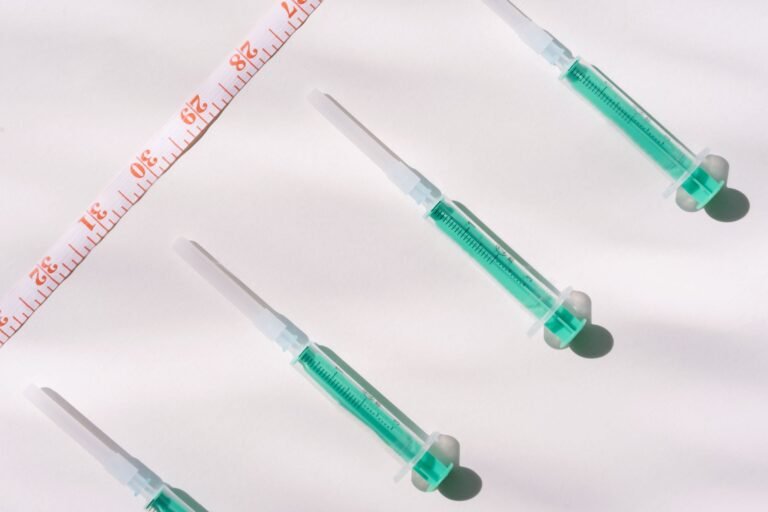
Vaccines are among the most effective tools for preventing serious diseases and protecting public health. Most vaccinations cause only mild and temporary side effects, such as soreness, redness, or slight swelling at the injection site. These symptoms typically resolve within a few days without requiring any treatment.
Key takeaways
Watch for sharp deep shoulder pain within 48 hours, limited range of motion, and nighttime worsening—these may indicate SIRVA.
Start home care: rest and gentle positioning, use ice for the first 48 to 72 hours, then transition to heat for stiffness relief.
Keep moving within pain limits: do pendulum, finger wall, and cross body stretches; progress to isometrics and band rows as pain subsides.
See a clinician if severe pain lasts over one week, or you develop numbness, weakness, fever, increasing redness, swelling, or drainage.
However, some individuals experience a more significant shoulder injury following vaccination, known as Shoulder Injury Related to Vaccine Administration (SIRVA). Unlike normal post-vaccination soreness, SIRVA can cause persistent shoulder pain, stiffness, weakness, and reduced mobility that may last for weeks or even months.
SIRVA occurs when a vaccine is accidentally injected too high or too deep into the shoulder, affecting structures such as bursae, tendons, ligaments, or the joint capsule rather than the intended muscle tissue. The resulting inflammation can interfere with normal shoulder movement and significantly impact daily activities.
Although SIRVA can be frustrating and painful, many mild to moderate cases improve with proper home care. Understanding how to manage symptoms, support healing, and restore shoulder function can play a crucial role in recovery. This guide provides a detailed overview of effective home treatment strategies, exercises, lifestyle modifications, and warning signs that indicate professional medical attention may be necessary.
Understanding SIRVA
What Exactly Is SIRVA?
SIRVA stands for Shoulder Injury Related to Vaccine Administration. It is not caused by the vaccine itself but rather by the location where the vaccine is injected.
Normally, vaccines administered in the upper arm are intended to enter the deltoid muscle. When the injection is placed too high on the shoulder or penetrates too deeply, vaccine material may enter sensitive structures surrounding the shoulder joint. These structures include bursae, tendons, ligaments, and connective tissues that are not designed to receive the vaccine.
When vaccine fluid enters these areas, the body’s immune response can trigger inflammation, leading to pain and restricted movement. Unlike typical vaccine-related soreness, which usually improves within a few days, SIRVA symptoms often persist and may worsen without appropriate management.
What Causes SIRVA?
The primary cause of SIRVA is improper injection technique. Several factors can contribute to this condition.
The injection may be administered too high on the shoulder, placing the needle closer to the shoulder joint rather than the muscle. The needle may also be inserted too deeply, allowing vaccine material to reach structures beneath the muscle. In some cases, incorrect needle length or injection angle may contribute to the problem.
The resulting inflammation can affect structures such as the subacromial bursa, rotator cuff tendons, or joint capsule, leading to pain and impaired function.
Common Vaccines Associated With SIRVA
SIRVA can potentially occur following any vaccine administered into the upper arm.
It is important to remember that the condition is related to injection placement rather than the specific vaccine used.
Recognizing the Symptoms
Sharp or Deep Shoulder Pain Within 48 Hours of Vaccination
One of the most characteristic signs of SIRVA is shoulder pain that begins within 48 hours after receiving a vaccination.
The pain is often much more intense than ordinary post-vaccination soreness. Many people describe it as deep, sharp, aching, burning, or throbbing. Instead of gradually improving over several days, the pain may persist or worsen.
Unlike routine injection-site discomfort, the pain often affects the entire shoulder and can interfere with normal activities.
Limited Range of Motion
Many individuals with SIRVA experience difficulty moving their arm normally.
Activities that may become challenging include:
Reaching overhead
Putting on clothing
Washing or brushing hair
Reaching behind the back
Lifting objects
This limitation occurs because inflammation causes pain and stiffness within the shoulder joint and surrounding tissues.
Swelling, Tenderness, and Warmth Around the Shoulder
Inflammation increases blood flow to the affected area, which may cause swelling and warmth.
The shoulder may feel tender when touched, and certain movements may trigger increased discomfort. Some individuals notice mild swelling around the upper arm or shoulder region.
Pain That Worsens at Night
Nighttime pain is a common complaint among people with SIRVA.
Symptoms often become more noticeable when lying down because pressure is placed on inflamed tissues. Sleeping on the affected side may be particularly uncomfortable.
Poor sleep caused by persistent pain can further slow recovery and negatively affect overall well-being.
Immediate Home Remedies
1. Rest and Proper Positioning
One of the most important early steps in treating SIRVA is allowing the inflamed tissues time to recover.
During the first 48 to 72 hours, it is advisable to reduce activities that place significant stress on the shoulder. Overhead reaching, heavy lifting, repetitive arm movements, and strenuous exercise should be avoided because these activities can aggravate inflammation and increase pain.
However, complete immobilization is not recommended. Keeping the shoulder completely still for prolonged periods may lead to stiffness, muscle weakness, and reduced mobility.
The goal is to protect the shoulder from excessive strain while allowing gentle, pain-free movement.
Using a Soft Sling
Some individuals find temporary relief by using a soft arm sling.
A sling can help support the weight of the arm and reduce strain on the shoulder during periods of severe pain. However, it should only be used for short periods because prolonged sling use may contribute to stiffness and delayed recovery.
Gentle movement should continue as tolerated even when a sling is occasionally used.
2. Cold Therapy for Acute Pain
Cold therapy is most beneficial during the early stages of SIRVA, particularly during the first 48 to 72 hours.
Applying ice causes blood vessels to constrict, which helps reduce inflammation and swelling. Cold therapy also numbs pain receptors, providing temporary relief from discomfort.
To use cold therapy safely:
Wrap an ice pack in a thin towel.
Apply it to the affected shoulder for 10 to 15 minutes.
Repeat every 2 to 3 hours as needed.
Never place ice directly against the skin because doing so may cause skin damage or frost injury.
Cold therapy is particularly helpful when pain is severe or when swelling is present.
3. Transition to Heat Therapy
After the initial inflammatory phase has subsided, heat therapy often becomes more beneficial than ice.
Heat increases blood circulation to the affected tissues. Improved circulation delivers oxygen and nutrients needed for tissue repair while helping remove waste products associated with inflammation.
Heat therapy can also:
Relax tight muscles
Reduce stiffness
Improve flexibility
Enhance comfort during stretching exercises
Suitable heat sources include:
Heating pads
Warm towels
Warm showers
Moist heat packs
Apply heat for approximately 10 to 15 minutes before performing stretching exercises or whenever stiffness is particularly noticeable.
Heat should generally not be used during the first 48 hours if significant swelling remains present.
4. Over-the-Counter Pain Relief
Pain-relieving medications can make recovery more comfortable by reducing inflammation and discomfort.
Nonsteroidal Anti-Inflammatory Drugs (NSAIDs)
Common NSAIDs include:
Ibuprofen
Naproxen
These medications help reduce inflammation while also relieving pain. They are often useful when inflammation contributes significantly to symptoms.
However, NSAIDs may not be suitable for everyone, particularly individuals with certain kidney conditions, stomach ulcers, bleeding disorders, or cardiovascular concerns.
Acetaminophen
Acetaminophen can help relieve pain without targeting inflammation directly.
It may be a suitable alternative for individuals who cannot safely take NSAIDs.
Regardless of the medication chosen, always follow dosage instructions carefully and consult a healthcare provider if there are concerns regarding safety.
Why Movement Matters
Many people assume complete rest is the best treatment for shoulder injuries. While temporary rest is important, prolonged inactivity can actually delay recovery.
Gentle movement helps:
Prevent stiffness
Maintain flexibility
Improve circulation
Reduce scar tissue formation
Promote healing
The key is to move the shoulder within a comfortable range without forcing painful motions.
Gentle Exercises and Mobility Work
Pendulum Stretch
The pendulum stretch is often one of the first exercises recommended for shoulder rehabilitation.
To perform this exercise:
Lean forward slightly while supporting yourself with your unaffected arm.
Allow the injured arm to hang freely.
Gently swing the arm in small circles.
Perform both clockwise and counterclockwise movements.
This exercise helps maintain joint mobility while placing very little stress on injured tissues. It also promotes circulation and reduces stiffness.
Finger Wall Walk
The finger wall walk is a gentle exercise that gradually restores shoulder flexibility.
To perform it:
Stand facing a wall.
Place your fingertips on the wall.
Slowly walk your fingers upward.
Continue until a gentle stretch is felt.
Slowly walk your fingers back down.
This exercise encourages controlled movement and gradually increases range of motion without excessive strain.
Cross-Body Reach
The cross-body stretch targets muscles and connective tissues at the back of the shoulder.
To perform it:
Bring the affected arm across your chest.
Use the opposite hand to gently pull the arm closer.
Hold for 15 to 30 seconds.
Repeat several times.
This stretch improves flexibility, reduces muscle tightness, and helps restore normal shoulder mechanics.
Strengthening Exercises After Pain Subsides
Once pain and inflammation have improved, strengthening exercises can help rebuild shoulder stability.
Isometric Shoulder Press
This exercise strengthens muscles without moving the shoulder joint.
To perform it:
Stand next to a wall.
Press your palm gently against the wall.
Hold for 5 to 10 seconds.
Relax and repeat.
Isometric exercises strengthen supporting muscles while minimizing stress on healing tissues.
Resistance-Band Rows
Resistance-band rows help strengthen the upper back and shoulder stabilizers.
To perform this exercise:
Secure a resistance band at chest height.
Hold the band with both hands.
Pull the band toward your body while squeezing your shoulder blades together.
Slowly return to the starting position.
This exercise promotes proper posture and improves shoulder stability.
Posture, Sleep, and Lifestyle Adjustments
Maintain Good Posture
Poor posture can place unnecessary stress on the shoulder and worsen symptoms.
Forward-rounded shoulders and slouching alter shoulder mechanics, increasing strain on inflamed tissues.
Good posture involves:
Keeping shoulders relaxed and slightly back
Maintaining a neutral spine
Avoiding prolonged slouching
Adjusting workstation ergonomics
Improved posture supports healing and reduces unnecessary strain.
Optimal Sleep Positions
Quality sleep is essential for recovery.
Sleeping on the affected shoulder should be avoided because it increases pressure on inflamed tissues.
Sleeping on the back is often most comfortable. Placing a small pillow beneath the affected arm can provide additional support and reduce strain.
If side sleeping is preferred, lying on the unaffected side with a pillow supporting the injured arm may improve comfort.
Everyday Tips
Break Up Repetitive Tasks
Activities such as typing, lifting, cleaning, or repetitive reaching can aggravate symptoms.
Taking short breaks every 30 to 60 minutes allows the shoulder to rest and recover.
Warm Up Before Activities
Before exercise or household tasks, perform gentle arm circles and light stretching.
Warming up increases blood flow, improves flexibility, and reduces the risk of further irritation.
When to Consult a Professional
Although many cases improve with home treatment, medical evaluation may be necessary in certain situations.
Severe Pain That Persists Beyond One Week
Persistent pain may indicate significant inflammation, bursitis, tendon injury, or another underlying condition requiring additional treatment.
Numbness, Tingling, or Weakness
These symptoms may suggest nerve involvement and should be evaluated promptly.
Signs of Infection
Seek immediate medical attention if you develop:
Fever
Severe redness
Increasing swelling
Drainage from the injection site
Intense warmth
These symptoms may indicate infection and require urgent treatment.
Professional Treatment Options
Depending on the severity of symptoms, healthcare providers may recommend:
A structured rehabilitation program can improve flexibility, strength, posture, and shoulder function.
Corticosteroid Injections
These injections may reduce severe inflammation and provide significant pain relief.
Imaging Studies
Ultrasound or MRI scans may be used to evaluate:
Bursitis
Tendon inflammation
Rotator cuff injuries
Joint abnormalities
Conclusion
SIRVA can be a painful and frustrating condition, but many individuals experience substantial improvement through proper home care and gradual rehabilitation. Rest, cold and heat therapy, appropriate pain management, gentle stretching, strengthening exercises, and healthy lifestyle habits all play important roles in recovery.
Patience is essential because healing often occurs gradually rather than overnight. By listening to your body, progressing exercises carefully, and seeking professional guidance when necessary, you can maximize your chances of restoring normal shoulder function and returning to your daily activities with confidence and comfort.
Disclaimer
This article is for educational purposes only and does not replace professional medical advice, diagnosis, or treatment. Seizures, severe headache, confusion, visual changes, or blood pressure readings in the hypertensive crisis range require urgent medical evaluation.
Thank you! Your feedback helps us improve our articles.
True Impact Health articles are written by our editorial team and based on reliable sources such as public health agencies, clinical guidelines and peer-reviewed research. This article has not yet been medically reviewed. Read our editorial process.
This content is for general information and is not a substitute for professional medical advice, diagnosis or treatment.