Hey there! Have you ever heard of rare yeast infections? They may not be as common as the more well-known yeast infections like thrush or vaginal yeast infections, but they do exist and can cause discomfort and complications if left untreated.
So, what exactly are rare yeast infections? These infections are caused by uncommon species of yeast that typically don’t cause infections in healthy individuals. However, in certain situations where the immune system is weakened or other risk factors are present, these rare yeast species can cause infections.
Don’t worry, though! In this article, we’ll delve into the world of rare yeast infections, exploring their causes, symptoms, diagnosis, treatment options, prevention strategies, and potential complications. By the end of this journey, you’ll have a better understanding of these infections and how to protect yourself from them.
Causes of rare yeast infections
Hey there! Let’s delve into the fascinating world of rare yeast infections and uncover what causes them. While the most common culprit for yeast infections is the Candida fungus, there are other less common types of yeast that can also lead to infections. Here are a few key factors that can contribute to the development of rare yeast infections:
- Immune system deficiencies: Individuals with weakened immune systems, such as those with HIV/AIDS or undergoing chemotherapy, are more susceptible to rare yeast infections. A compromised immune system makes it harder for the body to fight off fungal infections.
- Antibiotic use: Prolonged use of antibiotics can disrupt the natural balance of bacteria and yeast in the body, leading to an overgrowth of yeast and the development of infections. This is why it’s important to only take antibiotics when prescribed by a healthcare professional and to always complete the full course of treatment.
- Diabetes: People with diabetes, especially those with poorly controlled blood sugar levels, are at a higher risk of developing yeast infections. High levels of sugar in the blood create an ideal environment for yeast to thrive.
- Hormonal changes: Fluctuations in hormone levels, such as those experienced during pregnancy, menopause, or while taking hormonal birth control, can disrupt the balance of yeast in the body and increase the risk of infections.
- Underlying health conditions: Certain health conditions, such as obesity, autoimmune disorders, and chronic illnesses, can also make individuals more prone to rare yeast infections. It’s important to manage these conditions with the help of a healthcare provider to reduce the risk of fungal infections.
By understanding the various causes of rare yeast infections, you can take proactive steps to minimize your risk and protect your overall health. Remember, prevention is key when it comes to staying healthy and keeping these pesky fungal infections at bay!
Symptoms of Rare Yeast Infections
Hey there! Today, we’re going to chat about the symptoms of rare yeast infections. It’s important to know what signs to look out for so you can seek treatment if needed. Let’s dive in!
Related Posts:


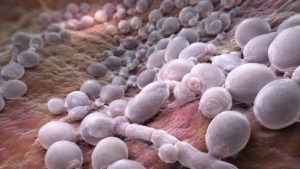
First off, it’s crucial to understand that rare yeast infections can present with symptoms that are similar to more common yeast infections. However, because they are less common, they may be harder to diagnose and treat. If you experience any of the following symptoms, it’s essential to consult with a healthcare professional for proper evaluation and treatment.
1. Persistent Itching and Burning
One of the hallmark symptoms of a yeast infection, whether rare or common, is persistent itching and burning in the affected area. This can be uncomfortable and bothersome, so it’s essential not to ignore these symptoms.
2. Unusual Discharge
If you notice any changes in the color, consistency, or odor of your vaginal discharge, it could be a sign of a rare yeast infection. Keep an eye out for any unusual discharge and seek medical advice if you have concerns.
3. Pain During Intercourse
Pain during intercourse, also known as dyspareunia, can be a symptom of a rare yeast infection. If you experience discomfort or pain during sexual activity, it’s essential to address this with your healthcare provider.
4. Redness and Swelling
Redness and swelling in the affected area can also be indicators of a rare yeast infection. If you notice any unusual changes in the appearance of your skin, especially in areas prone to yeast infections, it’s important to seek medical attention.
5. Recurrent Infections
If you find yourself experiencing frequent yeast infections that don’t seem to respond well to treatment, it may be a sign of a more rare or resistant strain of yeast. It’s crucial to work closely with your healthcare provider to address these recurrent infections effectively.
Remember, early detection and treatment are key to managing rare yeast infections. If you suspect you may have a rare yeast infection based on these symptoms or any other unusual changes in your body, don’t hesitate to reach out to your healthcare provider for guidance. They can provide an accurate diagnosis and recommend appropriate treatment options to help you feel better.
Stay proactive about your health, listen to your body, and don’t hesitate to seek help when needed. Your well-being is important, and addressing any concerns promptly can make a big difference in your overall health and comfort. Take care!
Diagnosis of rare yeast infections
So, you may be experiencing some unusual symptoms that have you concerned about a potential rare yeast infection. The first step in addressing your concerns is getting a proper diagnosis. Let’s dive into how healthcare professionals diagnose rare yeast infections to ensure you receive the appropriate treatment.
1. Medical History
During your visit to the doctor, they will likely start by asking you questions about your medical history. Be prepared to discuss any recent illnesses, medications you are taking, and any symptoms you are experiencing. Providing detailed information about your health history can help the doctor narrow down potential causes of your symptoms.
2. Physical Examination
Next, the doctor will conduct a physical examination to assess any visible signs of infection. They may examine the affected area, such as the skin, nails, or genital region, to look for any redness, swelling, or discharge that could indicate a yeast infection.
3. Laboratory Tests
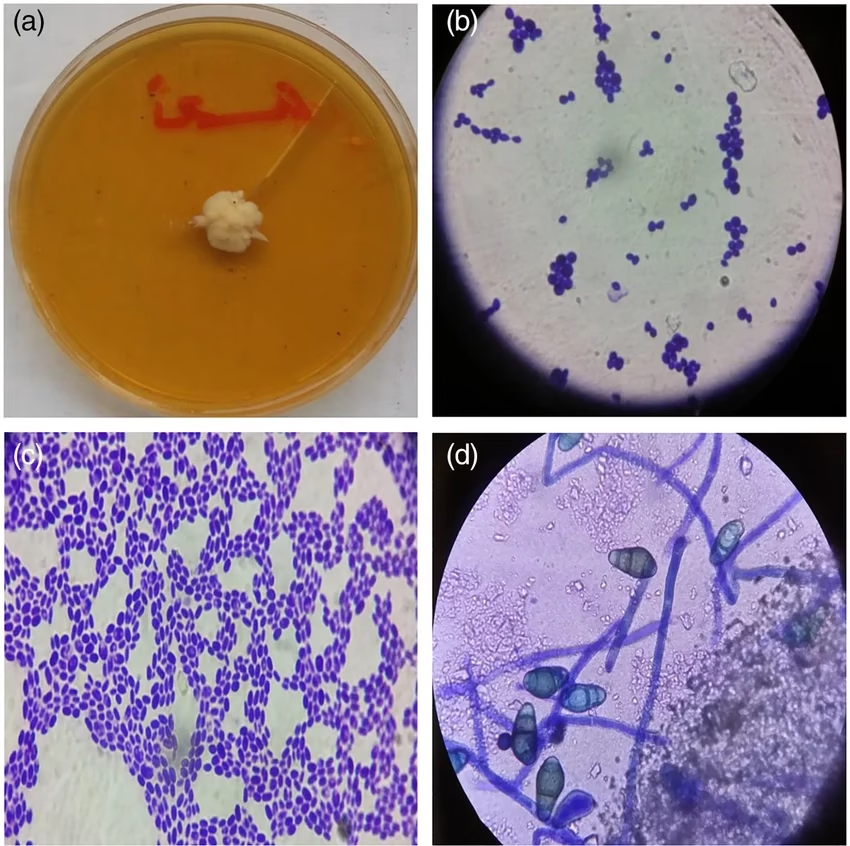
To confirm a rare yeast infection diagnosis, the doctor may recommend laboratory tests. This can include a skin culture, urine test, blood test, or a sample of the affected tissue. These tests can help identify the specific type of yeast causing the infection and determine the best course of treatment.
4. Microscopic Examination
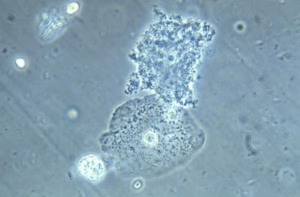
In some cases, the doctor may perform a microscopic examination of a sample from the affected area. This can help identify yeast cells under a microscope, confirming the presence of a yeast infection.
5. Differential Diagnosis
Since rare yeast infections can mimic other conditions, such as bacterial infections or allergies, the doctor may need to rule out other potential causes of your symptoms. This process, known as a differential diagnosis, ensures that you receive an accurate diagnosis and appropriate treatment.
6. Consultation with Specialists
In complex cases or when the diagnosis is unclear, the doctor may refer you to a specialist, such as a dermatologist or infectious disease physician. These specialists have expertise in diagnosing and treating rare yeast infections, providing you with specialized care and guidance.
Remember, early diagnosis and treatment of rare yeast infections are crucial to preventing complications and promoting recovery. If you suspect you may have a rare yeast infection, don’t hesitate to seek medical attention and follow your doctor’s recommendations for diagnosis and treatment.
Treatment Options for Rare Yeast Infections
Dealing with a rare yeast infection can be challenging, but there are several treatment options available to help you manage and overcome this condition. It’s important to consult with a healthcare professional to determine the best course of action for your specific situation.
1. Antifungal Medications
One of the most common treatment options for rare yeast infections is the use of antifungal medications. These medications can be prescribed in various forms, such as creams, ointments, or oral tablets, depending on the severity of the infection. It’s essential to follow your healthcare provider’s instructions carefully and complete the full course of treatment to ensure successful eradication of the yeast.
2. Topical Treatments
In addition to antifungal medications, topical treatments such as medicated creams or ointments may be recommended to alleviate symptoms like itching, redness, or irritation. These can help provide relief while the antifungal medication works to eliminate the underlying cause of the infection.
3. Lifestyle Changes
Making certain lifestyle changes can also play a significant role in treating rare yeast infections. This may include avoiding tight-fitting clothing, switching to breathable fabrics, maintaining good hygiene practices, and avoiding irritants like scented products or douches. These changes can help create an environment that is less conducive to yeast growth.
4. Dietary Adjustments
Some individuals find relief from rare yeast infections by making dietary adjustments that support a healthy balance of yeast in the body. This may involve reducing sugar and refined carbohydrate intake, which can fuel the growth of yeast, and incorporating probiotic-rich foods into your diet to promote good gut health.
5. Alternative Therapies
In some cases, alternative therapies like herbal remedies, essential oils, or probiotic supplements may be used in conjunction with conventional treatments to help combat rare yeast infections. It’s important to consult with a healthcare provider before trying any alternative therapies to ensure they are safe and effective for your specific condition.
Remember, everyone’s body is different, so what works for one person may not necessarily work for another. It’s crucial to work closely with your healthcare provider to find the best treatment approach for you. Don’t be afraid to ask questions or voice any concerns you may have – your health is important, and you deserve to receive the best care possible.
Prevention strategies for rare yeast infections
When it comes to rare yeast infections, prevention is key to avoiding the discomfort and potential complications that can arise. While these infections may not be as common as other types, taking proactive steps to prevent them can greatly reduce your risk. Here are some strategies you can implement to help keep rare yeast infections at bay:
1. Practice good hygiene
One of the best ways to prevent rare yeast infections is by practicing good hygiene. Make sure to keep your genitals clean and dry, especially after swimming or exercising. Avoid using harsh soaps or douches that can disrupt the natural balance of bacteria and yeast in your body.
2. Wear breathable clothing
Tight clothing, especially in the genital area, can create a warm and moist environment that is ideal for yeast to thrive. Opt for breathable fabrics like cotton and avoid wearing tight underwear or pants for extended periods of time.
3. Avoid unnecessary antibiotics
Antibiotics can disrupt the natural balance of bacteria in your body, making it easier for yeast to overgrow. Only take antibiotics when prescribed by a healthcare professional and follow their instructions carefully to minimize the risk of developing a yeast infection.
4. Practice safe sex
Yeast infections can be transmitted through sexual contact, so it’s important to practice safe sex to reduce your risk. Use condoms consistently and correctly, and communicate openly with your partner about any concerns or symptoms you may have.
5. Maintain a healthy diet
Eating a balanced diet rich in fruits, vegetables, and whole grains can help support your body’s immune system and keep yeast in check. Limiting your intake of sugar and refined carbohydrates can also help prevent yeast from multiplying excessively.
6. Stay informed and seek medical advice
If you suspect that you may have a rare yeast infection or are experiencing symptoms that are unusual for you, don’t hesitate to seek medical advice. Your healthcare provider can help determine the cause of your symptoms and recommend appropriate treatment options.
By following these prevention strategies and staying proactive about your health, you can reduce your risk of developing rare yeast infections and enjoy better overall well-being. Remember, prevention is always better than cure!
Are you familiar with the potential complications of untreated rare yeast infections? Let’s delve into the serious consequences that can arise if these infections are left unchecked.
Complications of Untreated Rare Yeast Infections:
1. Systemic Spread: One of the most concerning complications of rare yeast infections is the possibility of the infection spreading throughout the body. This can lead to a condition known as systemic candidiasis, which can be life-threatening if not treated promptly. This can result in infections in vital organs such as the heart, brain, and kidneys.
2. Chronic Infections: If left untreated, rare yeast infections can become chronic, causing long-term discomfort and health issues. Chronic yeast infections can be difficult to eradicate and may require more aggressive treatment options.
3. Increased Risk of Other Infections: Untreated rare yeast infections can weaken the immune system, making individuals more susceptible to other infections. This can create a vicious cycle of recurrent infections that can be challenging to manage.
4. Pelvic Inflammatory Disease (PID): In women, untreated rare yeast infections can lead to pelvic inflammatory disease, a serious infection of the reproductive organs. PID can cause severe pain, infertility, and other complications if not addressed promptly.
5. Complications in Pregnancy: Pregnant individuals with untreated rare yeast infections may be at risk of complications such as preterm birth, low birth weight, and other pregnancy-related issues. It is essential to seek treatment to protect both the health of the individual and the developing fetus.
6. Chronic Pain and Discomfort: Ignoring rare yeast infections can result in persistent symptoms such as itching, burning, and discharge. This can significantly impact an individual’s quality of life and overall well-being.
7. Psychological Impact: Dealing with the discomfort and stigma of untreated rare yeast infections can take a toll on an individual’s mental health. It is essential to seek treatment not only for physical health but also for emotional well-being.
It is crucial to understand the potential complications of rare yeast infections and prioritize seeking medical attention if you suspect you may have an infection. Remember, early detection and treatment are key to avoiding these serious consequences. Don’t hesitate to consult a healthcare professional if you have any concerns about your health.
Further Reading