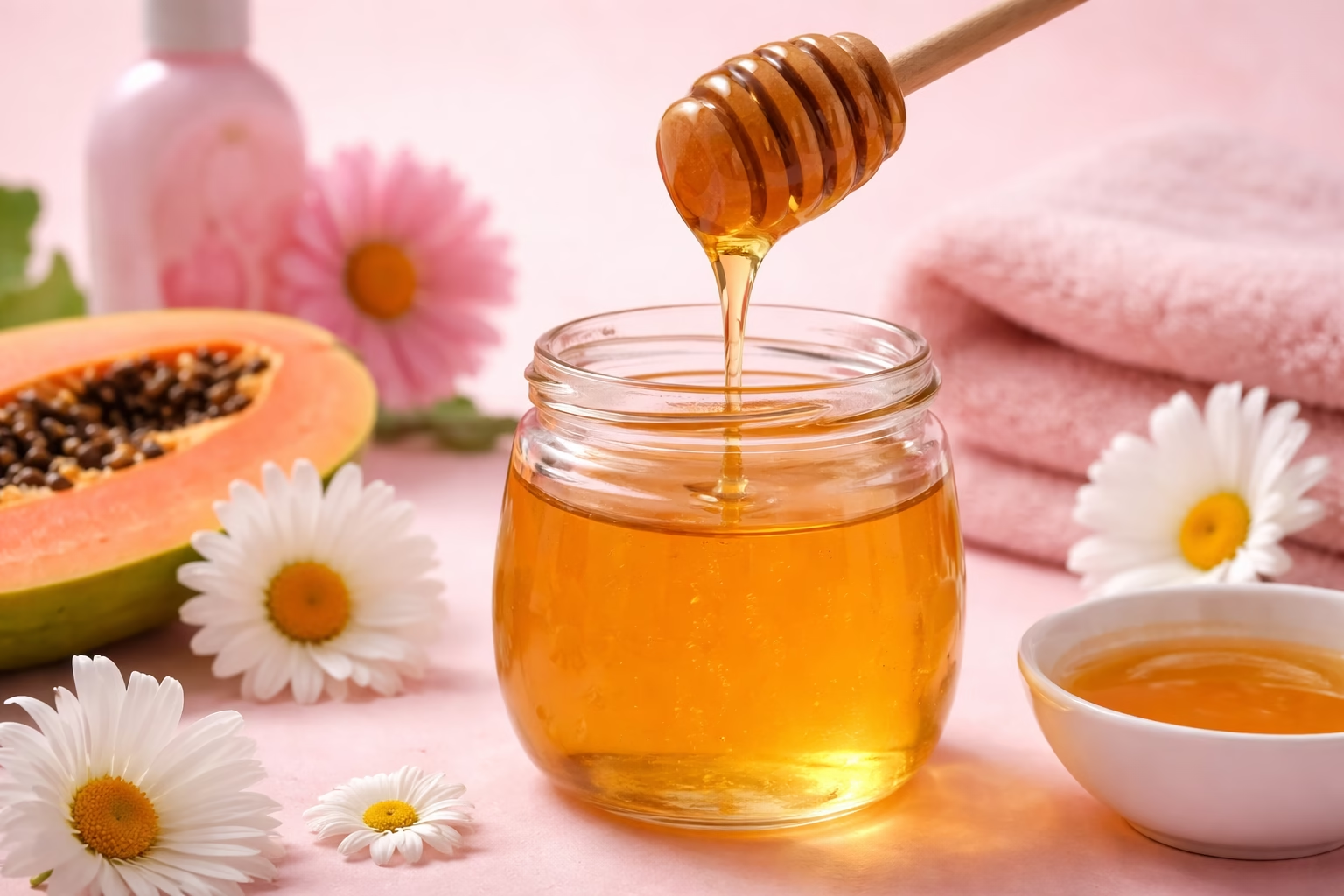

Hey there! Have you ever considered using honey in your vagina? It might sound a little unconventional, but there are actually some potential benefits to giving it a try. Let’s dive into the world of honey and how it can be used to promote vaginal health and well-being.
- Honey has antimicrobial, moisturizing, anti-inflammatory, and wound-healing properties that may benefit vaginal health.
- Honey can irritate, trigger allergies, promote bacterial overgrowth, and disrupt vaginal pH balance.
- Use raw organic honey, dilute it, patch test, and apply sparingly; avoid internal use when possible.
- Consult a healthcare provider before trying honey, especially with allergies, sensitivities, or persistent symptoms.
- Safer alternatives include probiotics, plain yogurt, coconut oil, diluted apple cider vinegar, and cranberry juice.
Potential benefits of using honey in the vagina
Honey is not just a sweet treat for your taste buds – it can also offer some surprising benefits for your vaginal health. Here are some potential advantages of using honey in the vagina:
- Natural Antimicrobial Properties: Honey has been used for centuries as a natural remedy for wounds and infections due to its antimicrobial properties. When applied to the vagina, honey may help fight off harmful bacteria and yeast that can cause infections like bacterial vaginosis and yeast infections.
- Moisturizing Effects: Honey is a natural humectant, which means it can draw moisture into the skin. When used in the vagina, honey may help to keep the vaginal tissues hydrated and lubricated, reducing discomfort and dryness.
- Anti-Inflammatory Benefits: Honey contains antioxidants and anti-inflammatory compounds that can help reduce inflammation and irritation in the vaginal area. This can be particularly helpful for women experiencing discomfort or itching.
- Wound Healing: In addition to its antimicrobial properties, honey is also known for its wound-healing abilities. If you have minor cuts or tears in the vaginal area, applying honey may help promote healing and reduce the risk of infection.
While these potential benefits are promising, it’s important to note that using honey in the vagina may not be suitable for everyone. It’s always best to consult with your healthcare provider before trying any home remedies or natural treatments, especially if you have a history of allergies or sensitive skin.
Risks and Concerns of Using Honey in the Vagina
While some people swear by using honey in the vagina for its potential benefits, it’s important to be aware of the risks and concerns associated with this practice. Here are some things to consider before trying this at home:
- Potential Irritation: Honey is a natural substance, but it can still cause irritation in some individuals. The sugars in honey can disrupt the natural balance of bacteria in the vagina, leading to discomfort or even infections.
- Allergic Reactions: Some people may be allergic to honey, leading to allergic reactions such as itching, redness, or swelling in the vaginal area. If you have a known allergy to honey or bee products, it’s best to avoid using it internally.
- Bacterial Overgrowth: Honey is a sugary substance, which can promote the growth of certain types of bacteria in the vagina. This can potentially lead to bacterial overgrowth and infections, such as bacterial vaginosis.
- Interference with pH Balance: The pH balance of the vagina is crucial for maintaining its health. Using honey internally can disrupt this balance, leading to issues such as yeast infections or other imbalances in the vaginal flora.
- Risk of Foreign Bodies: Honey can be difficult to completely remove from the vagina, potentially leaving behind residue that can act as a breeding ground for bacteria or other pathogens.
It’s important to remember that the vagina is a delicate and self-cleaning organ that typically does not require outside interventions to maintain its health. If you are experiencing any issues with your vaginal health, such as unusual discharge, odor, itching, or pain, it’s best to consult with a healthcare provider rather than trying home remedies like using honey internally.
Overall, while honey has been used for various health benefits for centuries, it’s crucial to exercise caution when considering using it in the vagina. Always prioritize your vaginal health and seek professional medical advice if you have any concerns or questions about your vaginal health.
How to Safely Use Honey in the Vagina
So, you’ve heard about the potential benefits of using honey in the vagina and you’re curious to give it a try. Here are some tips on how to safely use honey in this sensitive area:
- Choose the right type of honey: When using honey in the vagina, it’s important to opt for raw, organic honey that is free from additives and preservatives. This ensures that you are getting the purest form of honey that is safe for vaginal use.
- Dilute the honey: Before applying honey to the vagina, dilute it with some warm water to make a gentle solution. This helps to prevent any irritation or discomfort that may occur from using honey in its concentrated form.
- Perform a patch test: Before applying honey to the entire vaginal area, it’s a good idea to do a patch test on a small area of skin to ensure that you don’t have any allergic reactions or sensitivities to honey.
- Use it sparingly: When applying honey to the vagina, use a small amount and avoid overdoing it. A little goes a long way, and using too much honey can upset the natural balance of bacteria in the vagina.
- Avoid using honey internally: While applying honey externally to the vulva is generally safe, it’s best to avoid using honey internally in the vagina. The vagina is self-cleaning and has a delicate balance of bacteria that can be disrupted by introducing foreign substances.
- Consult with a healthcare provider: If you have any concerns or questions about using honey in the vagina, it’s always a good idea to consult with a healthcare provider. They can provide personalized advice based on your individual needs and health status.
- Practice good hygiene: It’s important to maintain good hygiene practices when using honey in the vagina. Make sure to wash your hands before and after application, and avoid using honey that has been contaminated or exposed to bacteria.
By following these tips, you can safely explore the potential benefits of using honey in the vagina while minimizing any risks or concerns. Remember to listen to your body and discontinue use if you experience any discomfort or irritation. Happy experimenting!
Alternatives to using honey in the vagina
While using honey in the vagina may have some potential benefits, it’s important to consider alternative options for maintaining vaginal health. Here are some safe and effective alternatives to using honey in the vagina:
- Probiotic supplements: Probiotics contain good bacteria that can help maintain a healthy balance in the vagina. They can be taken orally or applied topically, and are generally safe for most women.
- Yogurt: Plain, unsweetened yogurt contains live cultures that can help promote the growth of healthy bacteria in the vagina. You can eat yogurt or apply it topically to help maintain vaginal health.
- Coconut oil: Coconut oil has natural antibacterial and antifungal properties that can help prevent infections in the vagina. It can be used as a lubricant or applied topically to the vulva.
- Apple cider vinegar: Diluted apple cider vinegar can help restore the natural pH balance of the vagina and prevent yeast infections. You can add a few tablespoons to a warm bath or apply it topically with a cotton ball.
- Garlic: Garlic has natural antimicrobial properties that can help fight off yeast and bacteria in the vagina. You can eat garlic or insert a peeled clove into the vagina overnight (be sure to wrap it in gauze for easy removal).
- Cranberry juice: Cranberry juice can help prevent urinary tract infections (UTIs) by preventing bacteria from sticking to the walls of the bladder. Drinking unsweetened cranberry juice regularly can help maintain urinary health.
It’s important to remember that every woman’s body is different, so what works for one person may not work for another. If you’re experiencing persistent vaginal issues, it’s best to consult with a healthcare provider for personalized advice and treatment options.
Tips for Maintaining Vaginal Health
Our vaginal health is an essential part of overall well-being, and it’s important to take care of this delicate area. Here are some tips to help you maintain a healthy vagina:
- Practice good hygiene: Keeping the vaginal area clean is crucial for preventing infections. Use mild, unscented soap and water to wash the external genital area. Avoid douching, as it can disrupt the natural balance of bacteria in the vagina.
- Wear breathable underwear: Opt for cotton underwear, which allows for better airflow and helps to prevent moisture buildup. Avoid tight-fitting clothing, as it can trap heat and moisture, creating an ideal environment for bacteria to grow.
- Stay hydrated: Drinking plenty of water helps to keep your vaginal tissues hydrated and healthy. Aim to drink at least eight glasses of water a day to promote overall vaginal health.
- Practice safe sex: Using condoms during sexual activity can help to prevent the spread of sexually transmitted infections (STIs) and reduce the risk of developing vaginal infections.
- Eat a balanced diet: Consuming a diet rich in fruits, vegetables, whole grains, and lean proteins can help to support vaginal health. Foods high in sugar and processed foods can disrupt the balance of bacteria in the vagina, leading to infections.
Remember, it’s important to listen to your body and pay attention to any changes in vaginal health. If you experience symptoms such as itching, burning, unusual discharge, or pain during sex, it’s essential to see a healthcare provider for a proper diagnosis and treatment.
By following these tips and taking care of your vaginal health, you can help to prevent infections and maintain a happy, healthy vagina. Remember, your vagina is a self-cleaning organ, and with the right care, it can stay in balance and function optimally.
Conclusion
Congratulations on making it through this informative journey about using honey in the vagina! By now, you should have a good understanding of the potential benefits, risks, and safe practices associated with this natural remedy. Remember, the vagina is a delicate and self-cleaning organ, so it’s essential to approach any new treatment with caution and care.
While some women may find relief from certain vaginal issues by using honey, it’s crucial to consult with a healthcare provider before trying it out. They can provide personalized advice based on your individual health needs and help you make informed decisions about your vaginal health.
If you do decide to use honey in the vagina, make sure to choose raw, organic honey to minimize the risk of irritation or infection. And always perform a patch test on your skin before applying it to your vaginal area to check for any potential allergic reactions.
Remember, there are plenty of other safe and effective ways to maintain vaginal health, such as practicing good hygiene, staying hydrated, wearing breathable cotton underwear, and avoiding harsh chemicals or fragrances in personal care products. If you experience persistent or concerning symptoms, don’t hesitate to seek medical attention.
Ultimately, the key to a healthy vagina is listening to your body, being mindful of what you put in and around it, and seeking professional guidance when needed. Your vaginal health is an essential part of your overall well-being, so treat it with the care and respect it deserves!
Thank you for joining us on this journey to explore the world of using honey in the vagina. We hope you found this information valuable and empowering. Here’s to happy, healthy vaginas everywhere!
Further Reading