
Tea Tree Oil Suppositories: Your Natural Solution for Yeast Infections
Hey there! Are you tired of dealing with pesky yeast infections that just won’t seem to go away? Well, you’re in luck because I have just the solution for you – tea tree oil suppositories!
- Tea tree oil has antifungal, antibacterial, and anti-inflammatory properties effective against Candida strains.
- Suppositories deliver concentrated tea tree oil directly to the vaginal area for targeted treatment.
- Follow insertion instructions, wash hands, avoid tampons, and use for recommended duration.
- Possible side effects: skin or vaginal irritation, allergic reactions, and pH disruption; discontinue if severe.
- Precautions: dilute tea tree oil, patch test, avoid broken skin, and consult a healthcare provider if pregnant.
Tea tree oil has been used for centuries for its powerful antifungal and antibacterial properties, making it a great natural remedy for yeast infections. By using tea tree oil suppositories, you can target the infection directly and help alleviate those uncomfortable symptoms.
But what exactly are tea tree oil suppositories, and how can they help you in your battle against yeast infections? Let’s dive in and explore this natural solution together!
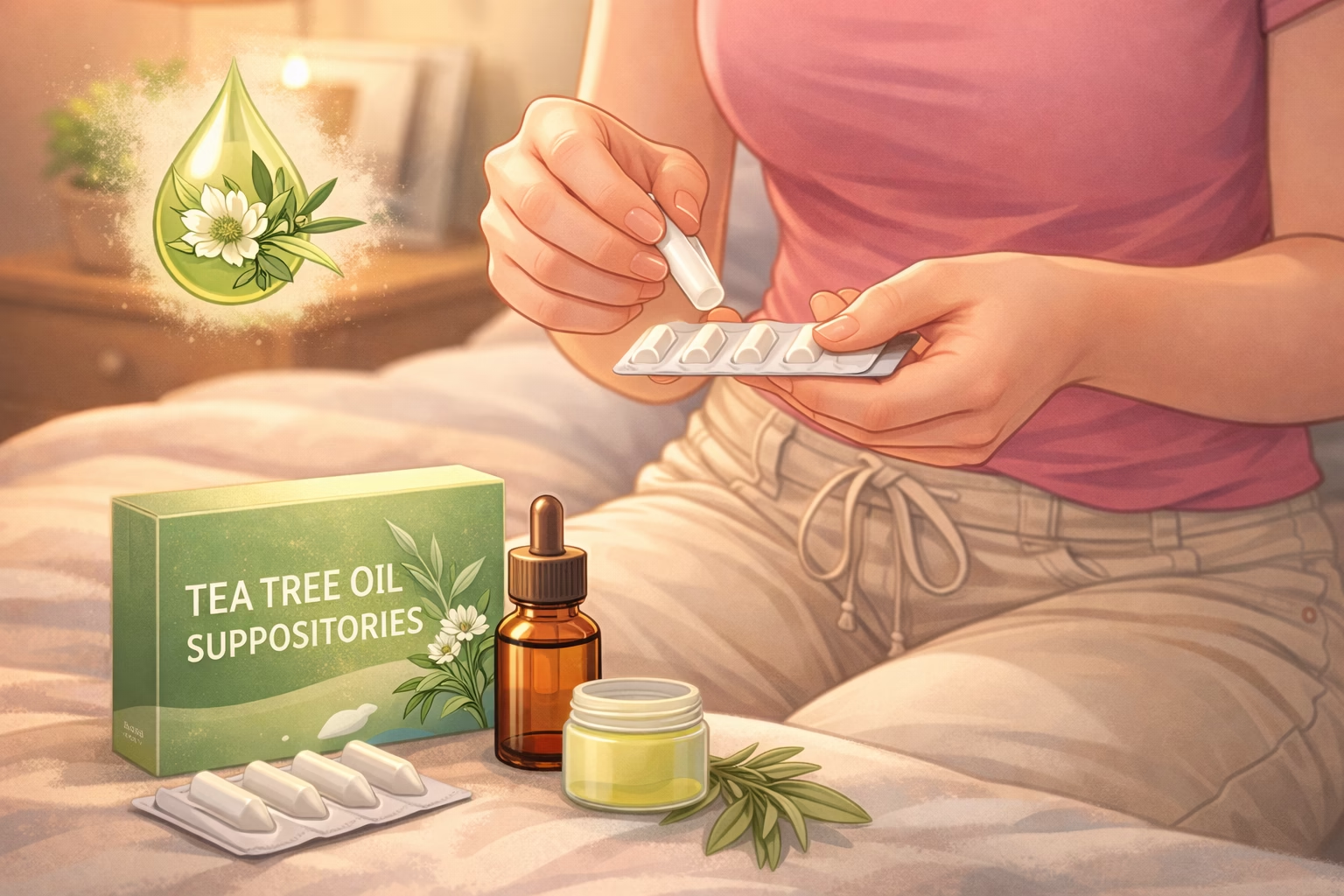
Tea tree oil suppositories are small capsules that are inserted into the vagina to deliver a concentrated dose of tea tree oil directly to the affected area. This allows the oil to work its magic and combat the overgrowth of yeast that is causing your infection.
One of the key benefits of using tea tree oil for yeast infections is its ability to kill off the yeast cells that are causing the infection. Tea tree oil has been shown to be effective against various strains of yeast, making it a powerful ally in the fight against these stubborn infections.
In addition to its antifungal properties, tea tree oil also has antibacterial and anti-inflammatory properties, which can help soothe the irritated skin and tissues in the vaginal area. This can provide relief from itching, burning, and other uncomfortable symptoms associated with yeast infections.
Related Posts:



Using tea tree oil suppositories for yeast infections is simple and easy. Just follow the instructions on the packaging, which typically involve inserting the suppository into the vagina before bedtime and allowing it to dissolve overnight. It’s important to follow the recommended dosage and duration of treatment to ensure the best results.
While tea tree oil suppositories can be an effective natural remedy for yeast infections, it’s important to be aware of possible side effects. Some people may experience mild irritation or sensitivity to tea tree oil, so it’s always a good idea to do a patch test before using it internally. If you experience any severe reactions, discontinue use and consult a healthcare provider.
In conclusion, tea tree oil suppositories can be a great natural solution for yeast infections, thanks to their antifungal, antibacterial, and anti-inflammatory properties. By using tea tree oil to target the infection directly, you can help alleviate uncomfortable symptoms and promote healing in the affected area.
So, if you’re looking for a natural remedy to combat yeast infections, give tea tree oil suppositories a try! Your body will thank you for choosing a gentle and effective solution to tackle those stubborn infections.
Benefits of Tea Tree Oil for Yeast Infections
So, you’ve been dealing with the discomfort and itchiness of a yeast infection, and you’re looking for a natural remedy to help alleviate your symptoms. Well, look no further than tea tree oil! This powerful essential oil has been used for centuries for its antimicrobial and antifungal properties, making it a popular choice for treating yeast infections.
Tea tree oil contains terpinen-4-ol, a compound that has been shown to effectively kill off the Candida albicans fungus responsible for yeast infections. This makes it a great alternative to over-the-counter antifungal medications that may come with unwanted side effects.
One of the key benefits of using tea tree oil for yeast infections is its ability to provide quick relief from symptoms like itching, burning, and irritation. Simply inserting a tea tree oil suppository can help soothe these discomforts and promote healing in the affected area.
Additionally, tea tree oil has been found to have anti-inflammatory properties, which can help reduce swelling and redness associated with yeast infections. This can make you feel more comfortable and less self-conscious while dealing with this common issue.
Another benefit of tea tree oil is its natural fragrance, which can help mask the unpleasant odor often associated with yeast infections. This can boost your confidence and make you feel more at ease in social situations.
Overall, using tea tree oil for yeast infections can be a safe and effective way to manage your symptoms and promote healing. However, it’s important to use it properly and follow the recommended guidelines to avoid any potential side effects.
In the next section, we’ll discuss how to use tea tree oil suppositories for yeast infections, so you can get the most out of this natural remedy and start feeling better soon. Stay tuned for some helpful tips and tricks!
III. How to Use Tea Tree Oil Suppositories for Yeast Infections
So, you’ve decided to try out tea tree oil suppositories for your yeast infection – great choice! Here’s a step-by-step guide on how to use them effectively:
- Wash your hands: Before starting the process, make sure to wash your hands thoroughly with soap and water to prevent any additional bacteria from entering the vaginal area.
- Unwrap the suppository: Take the tea tree oil suppository out of its packaging and ensure that it is at room temperature. This will make it easier to insert.
- Get into a comfortable position: Find a comfortable position, either lying down with your knees bent or standing with one foot elevated. This will make it easier to insert the suppository into your vagina.
- Insert the suppository: Gently insert the tea tree oil suppository into your vagina as far as it will comfortably go. It’s important to push it in far enough to ensure that it stays in place and can effectively treat the infection.
- Wash your hands again: After inserting the suppository, wash your hands again to prevent any potential contamination.
- Avoid using tampons: While using tea tree oil suppositories, it’s best to avoid using tampons as they can interfere with the effectiveness of the treatment. Opt for pads instead during this time.
- Repeat as needed: Depending on the severity of your yeast infection, you may need to use the tea tree oil suppositories for several days to see improvement. Follow the instructions provided with the product or consult with a healthcare professional for guidance.
Remember, it’s essential to follow the instructions provided with the tea tree oil suppositories carefully to ensure safe and effective use. If you experience any discomfort or unusual symptoms while using the suppositories, discontinue use and consult with a healthcare provider.
Using tea tree oil suppositories can be a natural and effective way to treat yeast infections, but it’s crucial to use them correctly to reap the benefits. By following these simple steps, you can help alleviate symptoms and promote vaginal health. So, give it a try and say goodbye to those pesky yeast infections!
Possible Side Effects of Tea Tree Oil Suppositories
While tea tree oil is known for its antifungal and antibacterial properties, it is important to be aware of the potential side effects when using tea tree oil suppositories for yeast infections. Here are some common side effects to watch out for:
- Skin Irritation: Tea tree oil is a potent essential oil and may cause skin irritation or burning sensation when applied topically. It is recommended to do a patch test before using tea tree oil suppositories to check for any allergic reactions.
- Vaginal Irritation: Some women may experience vaginal irritation, itching, or burning after using tea tree oil suppositories. If you notice any discomfort, it is best to discontinue use and consult with a healthcare provider.
- Allergic Reactions: In rare cases, tea tree oil can cause allergic reactions such as rash, hives, or difficulty breathing. If you experience any signs of an allergic reaction, seek medical attention immediately.
- Disruption of Vaginal pH Balance: Tea tree oil suppositories may disrupt the natural pH balance of the vagina, leading to further yeast infections or bacterial imbalances. It is important to use tea tree oil suppositories as directed and not exceed the recommended dosage.
- Pregnancy and Breastfeeding: Pregnant or breastfeeding women should consult with their healthcare provider before using tea tree oil suppositories. While tea tree oil is generally considered safe when used topically, it is best to err on the side of caution during pregnancy and breastfeeding.
It is crucial to follow the instructions provided by the manufacturer when using tea tree oil suppositories for yeast infections. If you experience any severe side effects or if your symptoms worsen, it is important to seek medical advice promptly. Remember, everyone’s body reacts differently to treatments, so it’s essential to listen to your body and adjust accordingly.
While tea tree oil can be an effective natural remedy for yeast infections, it is not suitable for everyone. If you have any concerns or underlying health conditions, it is best to consult with a healthcare provider before using tea tree oil suppositories. Your health and well-being should always be a top priority.
Precautions When Using Tea Tree Oil Suppositories
Tea tree oil suppositories can be a great natural remedy for yeast infections, but it’s important to use them safely and effectively. Here are some precautions to keep in mind when using tea tree oil suppositories:
- Dilution is key: Tea tree oil is potent and can cause irritation if used at full strength. Always dilute it with a carrier oil like coconut or olive oil before using it as a suppository.
- Patch test: Before inserting a tea tree oil suppository, do a patch test on your skin to check for any allergic reactions or sensitivity. Apply a small amount of diluted tea tree oil to your inner arm and wait for 24 hours to see if there is any redness, itching, or irritation.
- Avoid using on broken skin: Do not use tea tree oil suppositories on broken or irritated skin, as it can cause further irritation and discomfort. Make sure the area is clean and dry before inserting the suppository.
- Consult a healthcare provider: If you are pregnant, breastfeeding, or have any underlying health conditions, it’s important to consult with your healthcare provider before using tea tree oil suppositories to treat a yeast infection. They can provide guidance on whether it’s safe for you to use this remedy.
- Use as directed: Follow the instructions on the packaging of the tea tree oil suppositories carefully. Do not exceed the recommended dosage or frequency of use, as it can lead to adverse effects.
By following these precautions, you can safely and effectively use tea tree oil suppositories to help alleviate yeast infection symptoms. Remember that natural remedies like tea tree oil can be a great option for some individuals, but it’s always important to prioritize your health and well-being. If you experience any severe or persistent symptoms, be sure to seek medical advice from a healthcare professional.
Alternative Treatments for Yeast Infections
Dealing with a yeast infection can be uncomfortable and frustrating, but there are various alternative treatments available that may help alleviate symptoms and promote healing. While traditional medications like antifungal creams and suppositories are commonly used to treat yeast infections, some individuals may prefer natural remedies or complementary therapies. Here are some alternative treatments to consider:
1. Probiotics
Probiotics are beneficial bacteria that can help restore the natural balance of microorganisms in the body, including the vagina. Consuming probiotic-rich foods like yogurt or taking probiotic supplements may help prevent and treat yeast infections by promoting a healthy vaginal microbiome.
2. Garlic
Garlic is known for its antifungal properties and may help combat yeast infections when consumed orally or inserted vaginally. Some people find relief by eating raw garlic or using garlic capsules as a natural treatment for yeast infections.
3. Boric Acid Suppositories
Boric acid suppositories are another alternative treatment for recurrent yeast infections. These suppositories can help restore the pH balance of the vagina and eliminate yeast overgrowth. However, it’s essential to use boric acid under the guidance of a healthcare provider to avoid potential side effects.
4. Tea Tree Oil Soaks
In addition to tea tree oil suppositories, tea tree oil soaks can also be beneficial for treating yeast infections. Adding a few drops of tea tree oil to a warm bath and soaking for 15-20 minutes may help alleviate itching and discomfort caused by yeast infections.
5. Essential Oils
Essential oils like lavender, peppermint, and oregano have antimicrobial properties that can help fight yeast infections. Diluting these essential oils with a carrier oil and applying them topically to the affected area may provide relief from symptoms.
It’s important to note that while alternative treatments can be effective for some individuals, they may not work for everyone. If you’re considering trying alternative remedies for yeast infections, it’s crucial to consult with a healthcare provider to ensure they are safe and appropriate for your specific condition.
Remember, maintaining good hygiene practices, wearing breathable cotton underwear, and avoiding irritants like scented products can also help prevent yeast infections. If you experience recurrent or severe yeast infections, it’s essential to seek medical advice for proper diagnosis and treatment.
By exploring alternative treatments and incorporating healthy lifestyle habits, you can effectively manage and prevent yeast infections while promoting overall vaginal health and well-being.
Conclusion and Final Thoughts
Congratulations on making it through this informative journey on tea tree oil suppositories for yeast infections! By now, you should have a good understanding of the benefits, how to use them, possible side effects, precautions, and alternative treatments. Armed with this knowledge, you can make an informed decision on whether tea tree oil suppositories are the right choice for you.
While tea tree oil has shown promise in treating yeast infections, it’s important to remember that it may not work for everyone. If you experience any discomfort or adverse reactions, it’s best to discontinue use and consult with a healthcare professional.
Remember, maintaining good hygiene practices, wearing breathable cotton underwear, and avoiding douching can also help prevent yeast infections. And if you do find yourself dealing with a persistent yeast infection, don’t hesitate to seek medical advice.
Lastly, always remember that self-diagnosing and self-treating may not always be the best course of action. If you’re unsure about a treatment or experiencing recurring yeast infections, it’s best to speak with a healthcare provider for personalized advice and guidance.
So, whether you decide to give tea tree oil suppositories a try or explore other treatment options, prioritize your health and well-being. It’s essential to listen to your body, be proactive about your healthcare, and seek professional help when needed.
Thank you for taking the time to learn more about tea tree oil suppositories and yeast infections. Stay informed, stay healthy, and remember that you’re not alone in your journey towards wellness!
Further Reading