
Introduction to Yeast Infections
Alright, let’s talk about yeast infections. It’s not the most glamorous topic, but it’s something that many women deal with at some point in their lives. Yeast infections are caused by an overgrowth of the fungus Candida albicans in the vagina, leading to symptoms like itching, burning, and discharge. They can be uncomfortable and downright annoying, but the good news is that they are usually easy to treat.
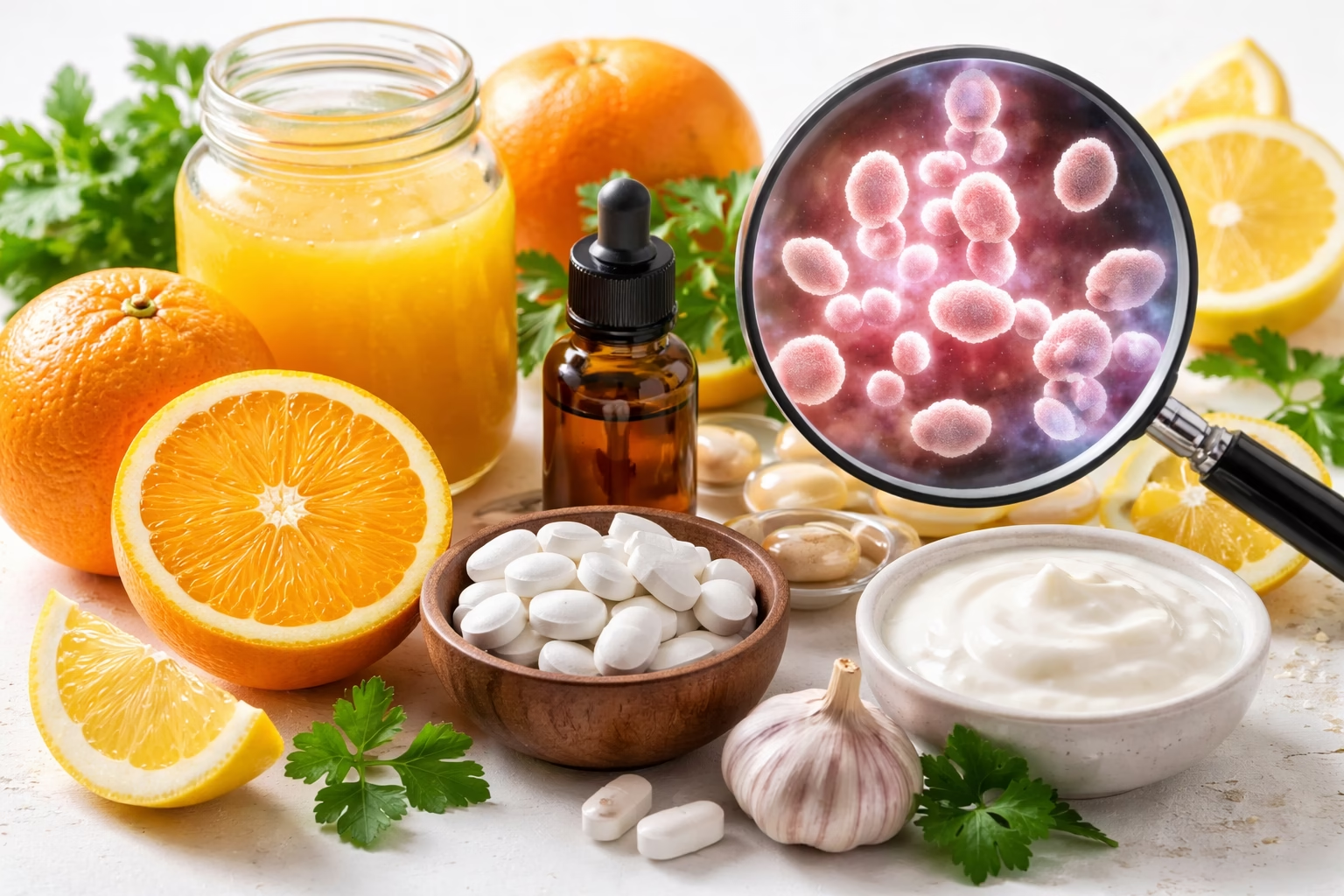
- Vitamin C may help by boosting immunity and supporting healthy vaginal pH to discourage Candida overgrowth.
- Use options include oral supplements, dietary sources, or a topical vitamin C paste, but consult a provider first.
- Vitamin C is an adjunct, not a guaranteed cure; combine with proven antifungals and hygiene measures for best results.
Yeast infections are quite common, with about 75% of women experiencing at least one in their lifetime. They can be triggered by a variety of factors, such as hormonal changes, antibiotics, a weakened immune system, or even wearing tight clothing. While yeast infections are more common in women, men can get them too, especially if they have a weakened immune system.
So, how do you know if you have a yeast infection? Well, the most common symptoms include itching and burning in the vaginal area, as well as a thick, white discharge that looks like cottage cheese. It’s important to note that these symptoms can also be caused by other conditions, so it’s always best to see a healthcare provider for an accurate diagnosis.
When it comes to treating yeast infections, there are several options available, including over-the-counter antifungal creams, suppositories, and oral medications. Some people also turn to natural remedies, like probiotics, tea tree oil, or boric acid. One such remedy that has gained popularity in recent years is vitamin C.
In the next sections, we will dive deeper into what exactly vitamin C is, its benefits, and how it may help with yeast infections. So, grab a cup of tea, get comfortable, and let’s explore the world of yeast infections and vitamin C together.
What is Vitamin C?
Alright, let’s talk about yeast infections. It’s not the most glamorous topic, but it’s something that many women deal with at some point in their lives. Yeast infections are caused by an overgrowth of the fungus Candida albicans in the vagina, leading to symptoms like itching, burning, and discharge. They can be uncomfortable and downright annoying, but the good news is that they are usually easy to treat.
Related Posts:



Yeast infections are quite common, with about 75% of women experiencing at least one in their lifetime. They can be triggered by a variety of factors, such as hormonal changes, antibiotics, a weakened immune system, or even wearing tight clothing. While yeast infections are more common in women, men can get them too, especially if they have a weakened immune system.
So, how do you know if you have a yeast infection? Well, the most common symptoms include itching and burning in the vaginal area, as well as a thick, white discharge that looks like cottage cheese. It’s important to note that these symptoms can also be caused by other conditions, so it’s always best to see a healthcare provider for an accurate diagnosis.
When it comes to treating yeast infections, there are several options available, including over-the-counter antifungal creams, suppositories, and oral medications. Some people also turn to natural remedies, like probiotics, tea tree oil, or boric acid. One such remedy that has gained popularity in recent years is vitamin C.
In the next sections, we will dive deeper into what exactly vitamin C is, its benefits, and how it may help with yeast infections. So, grab a cup of tea, get comfortable, and let’s explore the world of yeast infections and vitamin C together.
So, you may have heard about the wonders of Vitamin C for boosting your immune system and fighting off colds, but did you know it could also help with yeast infections? Let’s delve into the world of Vitamin C and how it can potentially be a game-changer when it comes to combating this pesky issue.
Benefits of Vitamin C
Let’s talk about the amazing benefits of Vitamin C! This essential nutrient plays a crucial role in supporting our overall health and well-being. Vitamin C, also known as ascorbic acid, is a powerful antioxidant that helps protect our cells from damage caused by free radicals. It is also essential for the growth and repair of tissues in our body, including skin, bones, and blood vessels.
One of the most well-known benefits of Vitamin C is its ability to boost our immune system. It helps stimulate the production of white blood cells, which are vital in fighting off infections and illnesses. Regular intake of Vitamin C can help reduce the duration and severity of colds and flu, as well as other infections.
In addition to its immune-boosting properties, Vitamin C also plays a role in collagen production. Collagen is a protein that helps maintain the strength and elasticity of our skin, joints, and muscles. By promoting collagen synthesis, Vitamin C can help improve skin health, reduce signs of aging, and promote faster healing of wounds.
Vitamin C is also known for its ability to improve cardiovascular health. It helps lower blood pressure, reduce inflammation, and improve blood flow, which can lower the risk of heart disease and stroke. Additionally, Vitamin C can help reduce the levels of LDL (bad) cholesterol in the blood, further protecting against heart-related issues.
Another benefit of Vitamin C is its role in iron absorption. Vitamin C helps convert iron into a form that is more easily absorbed by the body, which is essential for preventing anemia and promoting overall energy levels.
Furthermore, Vitamin C is also important for eye health. It helps protect the eyes from oxidative stress and may reduce the risk of cataracts and age-related macular degeneration.
Overall, Vitamin C is a vital nutrient that offers a wide range of health benefits. Whether you’re looking to boost your immune system, improve skin health, support cardiovascular health, or enhance your overall well-being, Vitamin C is a powerhouse nutrient that can help you achieve your health goals.
Can Vitamin C Help with Yeast Infections?
So, you’ve been dealing with the discomfort and irritation of a yeast infection, and you’re looking for a natural remedy to help alleviate the symptoms. You may have heard that Vitamin C could potentially aid in treating yeast infections, but is there any truth to this claim?
First off, let’s understand what Vitamin C is. Vitamin C, also known as ascorbic acid, is a water-soluble vitamin that plays a crucial role in supporting the immune system, promoting healthy skin, and aiding in the absorption of iron. It is commonly found in fruits and vegetables such as oranges, strawberries, bell peppers, and broccoli.
Now, you may be wondering how Vitamin C can help with yeast infections. Well, Vitamin C is known for its antioxidant properties, which can help boost the immune system and fight off infections. Yeast infections occur when there is an overgrowth of the fungus Candida, leading to symptoms such as itching, burning, and discharge. By strengthening your immune system with Vitamin C, you may be able to better combat the yeast infection.
Additionally, Vitamin C can help maintain the acidic pH levels in your body, which is important in preventing the overgrowth of Candida. An imbalance in pH levels can create an environment conducive to yeast growth, so ensuring proper pH balance may help in preventing and treating yeast infections.
So, how can you use Vitamin C to help with your yeast infection? One common method is to take Vitamin C supplements orally. The recommended daily intake of Vitamin C for adults is around 65 to 90 milligrams per day, but you may need more if you are dealing with a yeast infection. Consult with your healthcare provider to determine the appropriate dosage for your specific situation.
Another way to use Vitamin C is through topical application. You can create a Vitamin C solution by crushing a Vitamin C tablet and mixing it with water to form a paste. Apply this paste to the affected area to help soothe symptoms and potentially aid in the healing process.
While Vitamin C can be beneficial in treating yeast infections, it is essential to remember that it is not a cure-all. It is always best to consult with a healthcare provider before using Vitamin C or any other natural remedy to ensure it is safe and effective for you.
In conclusion, Vitamin C has the potential to help with yeast infections due to its immune-boosting and pH-balancing properties. By incorporating Vitamin C into your treatment regimen, you may be able to alleviate symptoms and promote healing. Remember to consult with a healthcare provider for personalized advice on using Vitamin C for your yeast infection.
How to Use Vitamin C for Yeast Infections
If you’re looking for a natural remedy to help with your yeast infection, vitamin C might just be your answer. Vitamin C, also known as ascorbic acid, is an essential nutrient that plays a crucial role in supporting your immune system and overall health. It is also a powerful antioxidant that can help combat infections, including yeast infections.
Here are some ways you can use vitamin C to help treat and prevent yeast infections:
- Supplements: Taking vitamin C supplements can boost your immune system, helping your body fight off yeast infections. The recommended daily intake of vitamin C for adults is 65 to 90 milligrams per day, but if you’re dealing with a yeast infection, you may need to increase your intake. Consult with your healthcare provider before starting any new supplements.
- Topical Application: You can also use vitamin C topically to help alleviate the symptoms of a yeast infection. Mix vitamin C powder with water to create a paste and apply it directly to the affected area. This can help reduce inflammation and itching.
- Diet: In addition to supplements, you can increase your intake of vitamin C-rich foods to help prevent yeast infections. Citrus fruits, strawberries, kiwi, and bell peppers are all excellent sources of vitamin C that can support your immune system.
It’s important to note that while vitamin C can help with yeast infections, it should not be used as a standalone treatment. If you suspect you have a yeast infection, it’s essential to consult with your healthcare provider for an accurate diagnosis and appropriate treatment plan. They may recommend additional measures, such as antifungal medications or probiotics, to address the root cause of the infection.
Remember, maintaining good hygiene practices, wearing breathable cotton underwear, and avoiding irritating products can also help prevent yeast infections. And incorporating vitamin C into your routine can be a natural and effective way to support your body’s immune response and combat yeast infections.
So, the next time you’re dealing with the discomfort of a yeast infection, consider adding vitamin C to your arsenal of natural remedies. With its immune-boosting properties and antioxidant benefits, vitamin C can be a valuable ally in your fight against yeast infections.
Other Remedies for Yeast Infections
So, you’ve heard about using Vitamin C for yeast infections, but did you know there are other remedies that can also help alleviate those pesky symptoms? Here are some alternative options you may want to consider:
1. Probiotics:
Probiotics are beneficial bacteria that can help restore the natural balance of yeast in your body. They can be taken orally as supplements or found in fermented foods like yogurt, kefir, and sauerkraut. Incorporating probiotics into your diet can support a healthy gut and vaginal flora, which may help prevent yeast infections.
2. Tea Tree Oil:
Tea tree oil has antifungal properties that can help combat yeast infections. It can be diluted and applied topically to affected areas, but be sure to do a patch test first to ensure you don’t have any adverse reactions. Always consult with a healthcare provider before using essential oils, especially in sensitive areas like the vagina.
3. Coconut Oil:
Coconut oil is another natural remedy that has antifungal properties. It can be applied topically to relieve itching and discomfort associated with yeast infections. Some people also find relief from adding coconut oil to their diet or using it as a lubricant during intercourse.
4. Garlic:
Garlic is known for its antifungal and antibacterial properties, making it a popular home remedy for yeast infections. You can incorporate garlic into your meals or insert a peeled clove into the vagina for a more direct approach. However, garlic may cause irritation in some individuals, so proceed with caution.
5. Apple Cider Vinegar:
Apple cider vinegar has been touted for its ability to rebalance pH levels and combat yeast infections. You can add a cup of apple cider vinegar to your bathwater for a soothing soak, or dilute it with water and use it as a vaginal rinse. Just be mindful of any potential irritation and discontinue use if you experience discomfort.
Conclusion
While these remedies can be effective for some individuals, it’s important to remember that everyone’s body is unique. What works for one person may not work for another, so it’s essential to listen to your body and consult with a healthcare provider before trying any new treatment.
Remember, maintaining good hygiene practices, wearing breathable cotton underwear, and avoiding irritating products like scented soaps and douches can also help prevent yeast infections. If you experience chronic or recurrent yeast infections, it’s essential to seek medical advice for a proper diagnosis and treatment plan.
So, next time you’re dealing with the discomfort of a yeast infection, consider trying one of these natural remedies to find relief and restore balance to your body. Your health and well-being are worth investing in!
So, there you have it – a comprehensive guide on how to use Vitamin C for yeast infections!
Remember, yeast infections are common and nothing to be embarrassed about. It’s essential to take care of your vaginal health and address any issues that may arise.
Using Vitamin C as a natural remedy can be a game-changer for some individuals. However, it’s crucial to consult with a healthcare professional before trying any new treatment, especially if you have any underlying health conditions.
Additionally, maintaining good hygiene practices, wearing breathable cotton underwear, and avoiding harsh chemicals or scented products in the vaginal area can also help prevent yeast infections.
If you experience persistent or recurrent yeast infections, it’s essential to seek medical advice to rule out any other underlying causes.
In conclusion, taking care of your vaginal health is vital, and using natural remedies like Vitamin C can be a safe and effective way to manage yeast infections. Remember to listen to your body, prioritize self-care, and seek professional help when needed.
Stay informed, stay healthy, and take care of yourself!
Further Reading