













Vitamin C for Yeast Infection
Vitamin C alone does not cure yeast infections; proven antifungal treatments are needed. Use supplements only with medical advice.
By True Impact Health Editorial Team

Medical graduate of Girne American University with a focus on patient-centred care, clinical assessment and preventive health.
Reviewed this article on October 10, 2026.
View profile How we reviewUpdated on October 10, 2026 15 min read

Table of Contents
Quick answer
- Vitamin C creates an acidic environment that can inhibit Candida overgrowth and relieve symptoms.
- It supports immune function and has anti-inflammatory effects to reduce redness and swelling.
- Use orally, topically, or increase vitamin C-rich foods; dosing and method vary by individual.
- Always consult a healthcare provider before trying vitamin C, especially if pregnant or on medications.
- Combine vitamin C with diet changes, probiotics, hygiene, and symptom monitoring for best results.
Vitamin C may support overall immune health, but there is no solid evidence that it can treat or prevent yeast infections on its own. Standard antifungal medications remain the proven treatment, and any supplement should be used only as part of a balanced diet after consulting a healthcare professional.
Introduction to Yeast Infections
Hey there! So, you’ve heard the term “yeast infection” thrown around but maybe you’re not quite sure what it really means. Well, let’s shed some light on this common issue that many people deal with at some point in their lives.
Yeast infections are caused by an overgrowth of a type of fungus called Candida albicans. This fungus is normally present in small amounts in our bodies, but when it starts to multiply uncontrollably, it can lead to an infection. Yeast infections can occur in various parts of the body, but they are most commonly seen in the genital area, especially in women.
These infections can be uncomfortable and irritating, causing symptoms like itching, burning, and unusual discharge. While yeast infections are not typically serious, they can be bothersome and affect your quality of life.
It’s important to know that yeast infections are not a result of poor hygiene or being unclean. They can happen to anyone, regardless of how clean you are. Factors like hormonal changes, certain medications, a weakened immune system, and high-sugar diets can all contribute to the development of a yeast infection.
If you believe you may have a yeast infection, it’s essential to consult with a healthcare provider for an accurate diagnosis and appropriate treatment. Self-diagnosing and self-treating may not always be effective, and it’s crucial to address the root cause of the infection.
Don’t worry, though! Yeast infections are common, and there are various treatment options available to help you get back to feeling like yourself again. In the following sections, we’ll delve deeper into the symptoms, causes, and natural remedies for yeast infections, including the role of Vitamin C in managing this pesky problem.
Symptoms of Yeast Infections
Yeast infections can be a real nuisance, causing discomfort and irritation in some of the most sensitive areas of our bodies. Knowing the symptoms of yeast infections can help you identify the issue early on and seek the appropriate treatment. Here are some common signs to look out for:
- Itching and Irritation: One of the most common symptoms of a yeast infection is intense itching and irritation in the vaginal area for women or on the penis for men. This can be very uncomfortable and can disrupt your daily activities.
- Unusual Discharge: Yeast infections can cause a thick, white, odorless discharge that resembles cottage cheese. If you notice a change in your usual discharge, it could be a sign of a yeast infection.
- Redness and Swelling: The affected area may appear red, swollen, and inflamed. This can be accompanied by a burning sensation, making it uncomfortable to sit or move around.
- Painful Urination or Sex: Yeast infections can cause pain or discomfort during urination or sexual intercourse. This can be a sign that the infection has spread and needs to be treated promptly.
- Soreness and Rash: Some people may experience soreness, redness, or a rash in the affected area. This can make wearing tight clothing or using certain products like tampons or pads very uncomfortable.
If you are experiencing any of these symptoms, it’s important to consult with a healthcare professional for an accurate diagnosis and appropriate treatment. While yeast infections are common and usually not serious, they can cause significant discomfort if left untreated. Avoid self-diagnosis and opt for expert advice to ensure the best outcome for your health.
Remember, it’s always better to be safe than sorry when it comes to your health. Don’t hesitate to seek medical attention if you suspect you may have a yeast infection, and follow the recommended treatment plan to alleviate your symptoms and prevent the infection from recurring.
Causes of Yeast Infections
Hey there! So, let’s talk about what causes those pesky yeast infections. Yeast infections are usually caused by an overgrowth of a type of fungus called Candida, specifically Candida albicans. This fungus is naturally present in our bodies, but when it starts to multiply uncontrollably, that’s when we run into trouble.
One of the main culprits for this overgrowth is a disruption in the balance of good bacteria in our bodies. You see, our bodies have a delicate ecosystem of bacteria and fungi that help keep everything in check. When this balance is disrupted, it creates the perfect environment for Candida to thrive.
Some common factors that can disrupt this balance include:
- Antibiotics: Antibiotics are great for fighting off bacterial infections, but they can also kill off the good bacteria in our bodies, leaving us more vulnerable to yeast infections.
- Poor Diet: A diet high in sugar and refined carbohydrates can feed the Candida fungus, leading to an overgrowth.
- Weakened Immune System: If your immune system is compromised, whether due to stress, illness, or other factors, it can make you more susceptible to yeast infections.
- Hormonal Changes: Hormonal fluctuations, such as those during pregnancy, menstruation, or menopause, can also contribute to yeast infections.
- Underlying Health Conditions: Conditions like diabetes or HIV can make you more prone to yeast infections.
It’s important to understand that yeast infections are not caused by poor hygiene. While good hygiene practices can help prevent infections, they are not the primary cause. So, if you ever find yourself dealing with a yeast infection, don’t blame yourself!
By understanding the common causes of yeast infections, you can take steps to prevent them in the future. Making healthy lifestyle choices, like eating a balanced diet, managing stress, and avoiding unnecessary antibiotic use, can all help keep your body in balance and reduce your risk of yeast infections.
IV. Role of Vitamin C in Treating Yeast Infections
Yeast infections are a common issue that many people face, especially women. While there are various over-the-counter medications available to treat yeast infections, some individuals may prefer to explore natural remedies. One such remedy that has gained popularity is the use of Vitamin C.
Vitamin C, also known as ascorbic acid, is a powerful antioxidant that plays a crucial role in supporting the immune system. It helps the body fight off infections and maintain overall health. When it comes to yeast infections, Vitamin C can also be beneficial in combating the overgrowth of yeast.
Yeast infections are caused by an imbalance of the natural flora in the body, leading to an overgrowth of the fungus Candida. Vitamin C helps to restore this balance by creating an acidic environment in which yeast cannot thrive. This can help alleviate symptoms such as itching, burning, and discharge associated with yeast infections.
Moreover, Vitamin C has anti-inflammatory properties that can help reduce swelling and irritation caused by yeast infections. It can also boost the body’s natural defenses, making it easier to fight off the infection.
It is important to note that while Vitamin C can be helpful in treating yeast infections, it is not a standalone solution. It is always recommended to consult with a healthcare provider before trying any new treatment, especially if you are pregnant, breastfeeding, or have underlying health conditions.
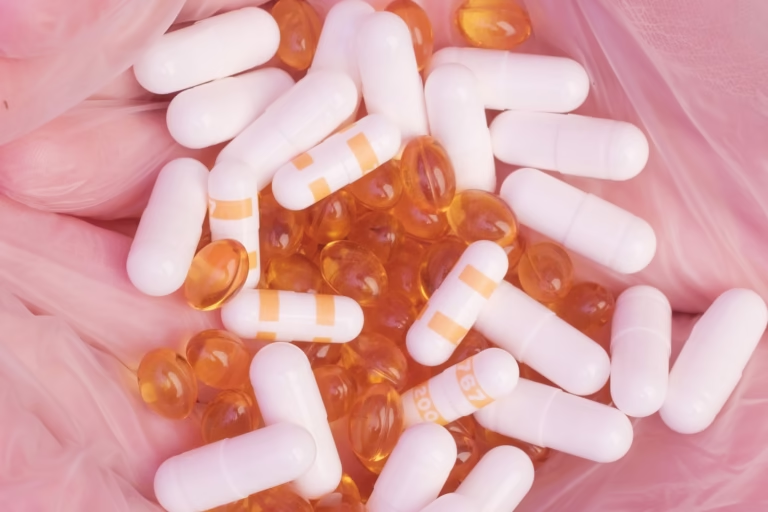
When incorporating Vitamin C into your regimen to treat yeast infections, it is essential to ensure you are getting an adequate dose. You can take Vitamin C supplements in tablet or capsule form, or you can increase your intake of Vitamin C-rich foods such as citrus fruits, leafy greens, and bell peppers.
Additionally, you can also use Vitamin C topically to help alleviate symptoms of yeast infections. You can create a Vitamin C paste by mixing Vitamin C powder with water and applying it directly to the affected area. This can help soothe itching and discomfort caused by yeast infections.
While Vitamin C can be a valuable tool in treating yeast infections, it is essential to remember that everyone’s body is different. What works for one person may not work for another. It is always best to consult with a healthcare provider to determine the best course of action for your individual needs.
- Consult with a healthcare provider before trying Vitamin C for yeast infections.
- Ensure you are getting an adequate dose of Vitamin C through supplements or foods.
- Consider using Vitamin C topically to alleviate symptoms.
How to Use Vitamin C for Yeast Infections
So, you’ve been dealing with the uncomfortable symptoms of a yeast infection and you’re looking for a natural remedy to help alleviate it. Look no further than vitamin C! This powerful antioxidant not only boosts your immune system but can also help combat yeast infections.
1. Oral Supplements
One way to incorporate vitamin C into your regimen is by taking oral supplements. You can find vitamin C supplements at your local pharmacy or health food store. Make sure to follow the recommended dosage on the label or consult with your healthcare provider for personalized advice.
2. Topical Application
Another way to use vitamin C for yeast infections is through topical application. You can create a vitamin C paste by crushing a vitamin C tablet and mixing it with a small amount of water. Apply this paste directly to the affected area for relief from itching and irritation.
3. Increase Vitamin C-Rich Foods in Your Diet
In addition to supplements and topical applications, you can also increase your intake of vitamin C-rich foods. Citrus fruits, bell peppers, strawberries, and broccoli are all excellent sources of vitamin C. Incorporating these foods into your diet can help support your body’s natural defenses against yeast infections.
4. Consider Vitamin C Infusions
For a more concentrated dose of vitamin C, you may also consider vitamin C infusions. These are typically administered by healthcare professionals and can provide a quick boost to your immune system, which may aid in fighting off yeast infections.
Remember, while vitamin C can be an effective natural remedy for yeast infections, it’s important to consult with your healthcare provider before starting any new supplement regimen. They can provide personalized guidance based on your individual health needs and ensure that you’re using vitamin C safely and effectively.
Incorporating vitamin C into your routine can help support your body’s natural defenses against yeast infections and promote overall wellness. So, next time you’re feeling the discomfort of a yeast infection, reach for vitamin C as a natural remedy to help you find relief.
Other Natural Remedies for Yeast Infections
Aside from using Vitamin C to help treat yeast infections, there are several other natural remedies that you can consider to alleviate symptoms and promote healing. Here are some additional options to explore:
1. Probiotics
Probiotics are beneficial bacteria that can help restore the balance of good bacteria in your body, which can be helpful in combating yeast infections. Look for probiotic supplements that contain strains like Lactobacillus acidophilus, which are known to support vaginal health.
2. Coconut Oil
Coconut oil has antifungal properties that can help kill off the yeast causing the infection. You can apply coconut oil topically to the affected area or incorporate it into your diet for added benefits.
3. Tea Tree Oil
Tea tree oil is another natural antifungal agent that can be effective in treating yeast infections. However, it’s important to dilute tea tree oil before using it topically, as it can be irritating to the skin in its concentrated form.
4. Garlic
Garlic is known for its antifungal and antibacterial properties, making it a popular remedy for yeast infections. You can consume garlic raw or in supplement form to help combat the overgrowth of yeast in your body.
5. Cranberry Juice
Cranberry juice is often recommended for urinary tract infections, but it can also be beneficial for yeast infections. Cranberries contain compounds that can help prevent yeast from adhering to the walls of the urinary tract, reducing the risk of infection.
6. Epsom Salt Baths
Epsom salt baths can help soothe itching and irritation associated with yeast infections. The magnesium in Epsom salt can also help reduce inflammation and promote healing. Add a cup of Epsom salt to a warm bath and soak for 20-30 minutes for relief.
While these natural remedies can be effective in managing yeast infections, it’s important to consult with your healthcare provider before trying any new treatment. Some remedies may interact with medications or may not be suitable for certain individuals.
Remember, everyone’s body is different, so what works for one person may not work for another. It’s essential to listen to your body and pay attention to how it responds to different treatments. If you’re unsure about which remedy to try, seek guidance from a healthcare professional who can provide personalized advice tailored to your specific needs.
Precautions and Considerations
When it comes to treating yeast infections naturally, it is essential to take certain precautions and considerations into account. While vitamin C can be a beneficial remedy, it is crucial to use it properly and in conjunction with other methods for optimal results.
Consult a Healthcare Provider
Before starting any new treatment regimen, especially for a yeast infection, it is vital to consult with your healthcare provider. They can provide guidance on the appropriate dosage of vitamin C and ensure it will not interfere with any medications you may be taking.
Quality of Vitamin C
When choosing a vitamin C supplement or using it in topical form, make sure to opt for a high-quality product. Look for a reputable brand that uses pure and natural ingredients to avoid any potential side effects or adverse reactions.
Stay Hydrated
Drinking plenty of water is essential when treating a yeast infection with vitamin C. Hydration helps flush out toxins from your body and supports the immune system in fighting off the infection. Aim to drink at least eight glasses of water a day to stay hydrated and aid in the healing process.
Balance Your Diet
In addition to using vitamin C, pay attention to your diet to promote overall health and support the treatment of yeast infections. Avoid sugary and processed foods that can feed the yeast, and instead focus on consuming probiotic-rich foods like yogurt, kefir, and sauerkraut to restore the balance of good bacteria in your body.
Practice Good Hygiene
Maintaining good hygiene is crucial when dealing with a yeast infection. Make sure to keep the affected area clean and dry, wear breathable cotton underwear, and avoid using harsh soaps or perfumed products that can irritate the skin. Practice proper hygiene to prevent the spread of the infection and promote healing.
Monitor Your Symptoms
While using vitamin C and other natural remedies for yeast infections, it is important to monitor your symptoms closely. If you experience any worsening or persistent symptoms, such as severe itching, burning, or discharge, consult your healthcare provider immediately for further evaluation and guidance.
By following these precautions and considerations, you can effectively treat a yeast infection with vitamin C and other natural remedies while promoting overall health and well-being. Remember, it is essential to prioritize your health and seek professional advice when needed to ensure safe and effective treatment.
“`html
Precautions and Considerations
When it comes to treating yeast infections naturally, it is essential to take certain precautions and considerations into account. While vitamin C can be a beneficial remedy, it is crucial to use it properly and in conjunction with other methods for optimal results.
Consult a Healthcare Provider
Before starting any new treatment regimen, especially for a yeast infection, it is vital to consult with your healthcare provider. They can provide guidance on the appropriate dosage of vitamin C and ensure it will not interfere with any medications you may be taking.
Quality of Vitamin C
When choosing a vitamin C supplement or using it in topical form, make sure to opt for a high-quality product. Look for a reputable brand that uses pure and natural ingredients to avoid any potential side effects or adverse reactions.
Stay Hydrated
Drinking plenty of water is essential when treating a yeast infection with vitamin C. Hydration helps flush out toxins from your body and supports the immune system in fighting off the infection. Aim to drink at least eight glasses of water a day to stay hydrated and aid in the healing process.
Balance Your Diet
In addition to using vitamin C, pay attention to your diet to promote overall health and support the treatment of yeast infections. Avoid sugary and processed foods that can feed the yeast, and instead focus on consuming probiotic-rich foods like yogurt, kefir, and sauerkraut to restore the balance of good bacteria in your body.
Practice Good Hygiene
Maintaining good hygiene is crucial when dealing with a yeast infection. Make sure to keep the affected area clean and dry, wear breathable cotton underwear, and avoid using harsh soaps or perfumed products that can irritate the skin. Practice proper hygiene to prevent the spread of the infection and promote healing.
Monitor Your Symptoms
While using vitamin C and other natural remedies for yeast infections, it is important to monitor your symptoms closely. If you experience any worsening or persistent symptoms, such as severe itching, burning, or discharge, consult your healthcare provider immediately for further evaluation and guidance.
By following these precautions and considerations, you can effectively treat a yeast infection with vitamin C and other natural remedies while promoting overall health and well-being. Remember, it is essential to prioritize your health and seek professional advice when needed to ensure safe and effective treatment.
“`
Further Reading
3.5 tog sleeping bag temperature guide
When to see a doctor
- Severe itching, burning, or swelling that worsens
- Fever, chills, or feeling unwell
- Symptoms persist beyond a few days of over‑the‑counter treatment
- Repeated infections (three or more in a year)
- Painful urination or bleeding
If symptoms are severe or come on suddenly, call your local emergency number.
Frequently asked questions
Can taking vitamin C tablets stop a yeast infection?
There is no reliable research showing that vitamin C tablets can clear a yeast infection. They may help general immunity, but antifungal medication is required for treatment.
Is a high‑dose vitamin C diet safe while treating a yeast infection?
Very high doses of vitamin C can cause stomach upset and kidney stones in susceptible people. Stick to normal dietary amounts unless a doctor advises otherwise.
Will vitamin C creams or suppositories help with vaginal yeast infections?
Topical vitamin C products are not approved for yeast infections and lack evidence of benefit. Use prescribed or OTC antifungal creams instead.
Can vitamin C reduce the risk of future yeast infections?
A balanced diet with adequate vitamin C supports immune function, but it does not specifically prevent Candida overgrowth. Lifestyle factors like sugar intake and antibiotics have a larger impact.
Sources and further reading
Was this page helpful?
Thanks for your feedback! What could we improve?
Thank you! Your feedback helps us improve our articles.
Medically reviewed by
Dr. Oluwabusola Stella OkeMedical graduate of Girne American University with a focus on patient-centred care, clinical assessment and preventive health.
True Impact Health articles are written by our editorial team and based on reliable sources such as public health agencies, clinical guidelines and peer-reviewed research. This article has been checked by a doctor on our review panel. Read our editorial process.
This content is for general information and is not a substitute for professional medical advice, diagnosis or treatment.