
Hey there! Have you ever experienced that uncomfortable itching and burning sensation down there? You might have had a yeast infection. Don’t worry, it’s a common issue that many people face at some point in their lives. In this article, we’ll dive into the world of yeast infections, exploring their symptoms, causes, and how vitamins can play a crucial role in treating them.
- Yeast infections result from Candida overgrowth, causing itching, burning, and abnormal discharge.
- Antibiotics, hormonal changes, diabetes, weakened immunity, and tight or synthetic clothing raise infection risk.
- Vitamins C, D, E, B complex, and zinc support immunity and may help control Candida growth.
- Follow recommended dosages and consult a healthcare professional before starting supplements.
- Probiotics, coconut oil, garlic, tea tree oil, and apple cider vinegar are common natural remedies.
Yeast infections are caused by an overgrowth of a type of fungus called Candida albicans. These infections can affect various parts of the body, but they are most commonly found in the vaginal area. Symptoms of a yeast infection can include itching, burning, redness, and swelling around the affected area. Some people may also experience pain during urination or intercourse.
So, what causes yeast infections in the first place? Well, there are several factors that can contribute to the development of these pesky infections. Some common causes include taking antibiotics, having a weakened immune system, hormonal changes, wearing tight clothing, or using perfumed products in the genital area.
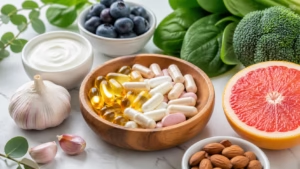
Now, let’s talk about the role of vitamins in treating yeast infections. Vitamins play a crucial role in maintaining a healthy immune system, which is essential for fighting off infections like yeast infections. Certain vitamins can help regulate the growth of Candida albicans and promote overall vaginal health.
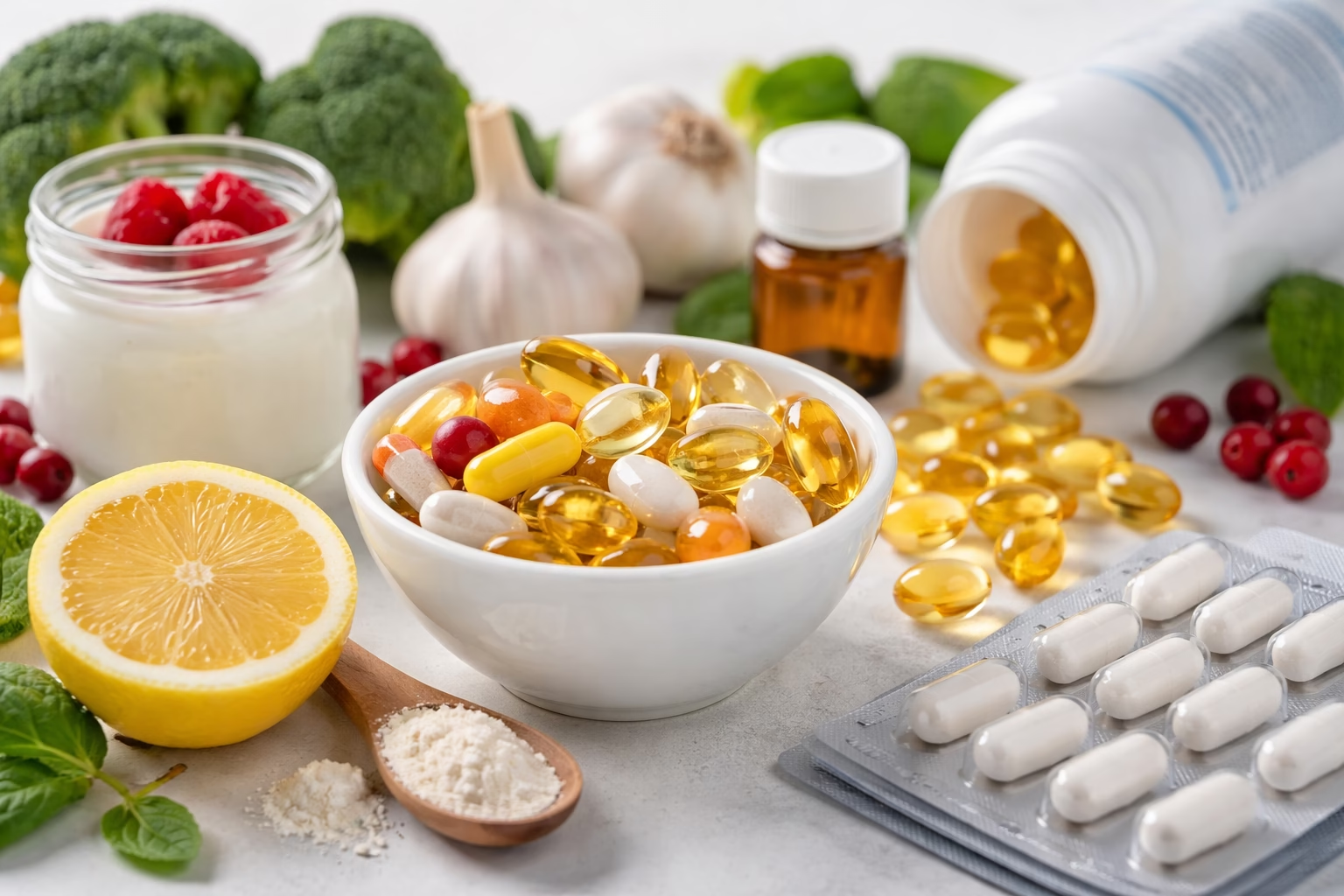
There are several vitamins that have been found to be particularly effective in treating yeast infections. These include vitamin C, vitamin D, vitamin E, and vitamin B complex. These vitamins can help boost the immune system, reduce inflammation, and promote the growth of healthy bacteria in the body.
When it comes to treating yeast infections with vitamins, it’s important to pay attention to the recommended dosages. Taking too much of certain vitamins can actually worsen the infection or cause other health issues. It’s always best to consult with a healthcare professional before starting any new vitamin regimen.
Related Posts:

In addition to vitamins, there are other natural remedies that can help alleviate the symptoms of yeast infections. These can include probiotics, coconut oil, garlic, and tea tree oil. These natural remedies can help restore the balance of healthy bacteria in the body and reduce the growth of Candida albicans.
So, if you’re dealing with a yeast infection, don’t worry! With the right vitamins and natural remedies, you can effectively treat the infection and get back to feeling like yourself again. Remember to consult with a healthcare professional for personalized advice and guidance on the best treatment options for you. Stay healthy!
Symptoms of Yeast Infections
Have you been feeling itchy and uncomfortable “down there”? Well, you might be dealing with a yeast infection. Yeast infections are super common, especially among women, but they can also affect men. Let’s talk about some of the symptoms so you can identify if you might have a yeast infection brewing.
1. Itching: One of the most common and annoying symptoms of a yeast infection is intense itching in the vaginal area for women or on the skin for men.
2. Burning Sensation: You might experience a burning sensation, especially during urination or sex. This can be quite uncomfortable and can make everyday activities feel like a hassle.
3. Unusual Discharge: Yeast infections can cause a thick, white, odorless discharge that resembles cottage cheese. If you notice this change in your discharge, it might be a sign of a yeast infection.
4. Redness and Swelling: The affected area might appear red, swollen, and irritated. This can be accompanied by soreness and discomfort.
5. Pain: Some people with yeast infections may experience pain or soreness in the affected area. This can make daily tasks like sitting or walking uncomfortable.
6. Rash: In some cases, yeast infections can lead to a rash that spreads around the affected area. This can worsen the itching and discomfort.
7. Odor: While yeast infections usually don’t have a strong odor, some people may notice a slight yeasty or bread-like smell.
If you’re experiencing any of these symptoms, it’s essential to consult with a healthcare provider for a proper diagnosis and treatment. Many over-the-counter medications can effectively treat yeast infections, but some people prefer natural remedies like vitamins to help alleviate symptoms and promote healing.
Remember, it’s crucial not to self-diagnose and always seek professional medical advice for proper treatment. Yeast infections can mimic other conditions like bacterial infections or STIs, so getting the right diagnosis is essential for your health and well-being. Stay informed, stay healthy!
Causes of Yeast Infections
So, you’re experiencing the uncomfortable symptoms of a yeast infection, but do you know what causes it in the first place? Let’s dive into the common causes of yeast infections and gain a better understanding of how to prevent them in the future.
1. Candida Overgrowth: The most common cause of yeast infections is an overgrowth of the fungus called Candida. This fungus is naturally present in our bodies, especially in the digestive tract and the vagina. However, certain factors can disrupt the natural balance of Candida, leading to an overgrowth and causing a yeast infection.
2. Antibiotics: Taking antibiotics can kill the beneficial bacteria in your body that help keep Candida in check. This imbalance can allow Candida to multiply and cause a yeast infection. It’s important to talk to your healthcare provider about strategies to maintain a healthy balance of bacteria after taking antibiotics.
3. Hormonal Changes: Hormonal fluctuations, such as those during pregnancy, menstruation, or menopause, can create an environment that is more favorable for the growth of Candida. Estrogen levels play a significant role in regulating the balance of yeast in the body.
4. Diabetes: People with diabetes are more prone to yeast infections due to elevated levels of sugar in their body. High blood sugar can feed the yeast, causing it to grow and multiply. Managing blood sugar levels is crucial in preventing recurrent yeast infections.
5. Weakened Immune System: A weakened immune system, whether due to illnesses like HIV/AIDS or chronic stress, can make it harder for your body to fight off infections, including yeast infections. Strengthening your immune system through proper nutrition, exercise, and stress management can help prevent yeast infections.
6. Poor Hygiene: While yeast infections are not caused by poor hygiene, improper hygiene practices can create an environment that is more conducive to yeast overgrowth. Practices like wearing tight-fitting synthetic clothing, using scented hygiene products, or staying in damp clothing for extended periods can increase your risk of developing a yeast infection.
Understanding the underlying causes of yeast infections can help you take proactive steps to prevent them in the future. By addressing factors like hormonal imbalances, antibiotic use, and immune system health, you can reduce your risk of recurrent yeast infections. Remember to consult with your healthcare provider for personalized advice and treatment options tailored to your specific needs.
By gaining a better understanding of the causes of yeast infections, you can take proactive steps to prevent them in the future. Remember to address factors like hormonal imbalances, antibiotic use, and immune system health to reduce your risk of recurrent yeast infections. It’s always best to consult with your healthcare provider for personalized advice and treatment options tailored to your specific needs.
Importance of Vitamins in Treating Yeast Infections
When it comes to treating yeast infections, many people may turn to over-the-counter medications or prescription drugs. However, one often overlooked aspect of managing yeast infections is the role that vitamins play in the healing process. Vitamins are essential nutrients that our bodies need to function properly, and they can also play a significant role in supporting our immune system and fighting off infections, including yeast infections.
Yeast infections occur when there is an overgrowth of the fungus Candida albicans in the body. This overgrowth can lead to symptoms such as itching, burning, and discharge. While antifungal medications can help treat the infection, incorporating certain vitamins into your diet can also help support your body’s natural healing process and prevent future infections.
When it comes to treating yeast infections, certain vitamins are particularly beneficial. These vitamins can help boost your immune system, reduce inflammation, and promote healthy gut flora, all of which are important factors in managing yeast infections.
Top Vitamins for Treating Yeast Infections
Are you tired of dealing with the uncomfortable symptoms of a yeast infection? Well, you’re in luck! There are vitamins that can help alleviate these symptoms and support your body’s natural defense mechanisms against yeast infections. Let’s dive into the top vitamins you should consider incorporating into your routine:
- Vitamin C: This powerful antioxidant is known for its immune-boosting properties. Vitamin C helps strengthen your immune system, making it more effective at fighting off yeast infections. It also helps maintain the balance of good bacteria in your gut, which is crucial for preventing yeast overgrowth.
- Vitamin D: Vitamin D plays a key role in regulating your immune system and reducing inflammation. Studies have shown that vitamin D deficiency may be linked to an increased risk of yeast infections. By ensuring you have adequate levels of vitamin D, you can support your body’s ability to ward off unwanted yeast overgrowth.
- Vitamin B Complex: B vitamins, particularly B3 (niacin), B6, and B12, are essential for maintaining a healthy balance of hormones and supporting your immune system. These vitamins can help alleviate symptoms of yeast infections and promote overall well-being.
- Zinc: Zinc is a mineral that is crucial for immune function and wound healing. It also plays a role in regulating the growth of Candida, the fungus responsible for yeast infections. Adding a zinc supplement to your routine can help support your body’s ability to combat yeast overgrowth.
- Probiotics: While not a vitamin, probiotics are essential for maintaining a healthy balance of gut bacteria. They help crowd out harmful bacteria, including yeast, and support your body’s natural defense mechanisms. Consider taking a probiotic supplement to help prevent and treat yeast infections.
Incorporating these vitamins into your daily routine can help support your body’s ability to fight off yeast infections and promote overall health and well-being. However, it’s important to consult with a healthcare provider before starting any new supplement regimen, especially if you have underlying health conditions or are taking medications that may interact with these vitamins. Remember, everyone’s body is different, so what works for one person may not work for another. Stay informed and listen to your body’s needs to find the best approach for treating yeast infections.
Recommended Dosages of Vitamins for Yeast Infections
So, you’ve been dealing with pesky yeast infections and you’re looking for a natural way to treat them? Look no further than incorporating vitamins into your routine! Vitamins play a crucial role in supporting your immune system and overall health, which can help combat yeast infections effectively.
But before you start popping vitamins like candy, it’s important to know the recommended dosages to ensure you’re getting the right amount for treating yeast infections. Here’s a breakdown of some key vitamins and their recommended dosages:
Vitamin C
Vitamin C is known for its immune-boosting properties and can help fight off yeast infections. The recommended daily dosage for adults is around 65 to 90 milligrams per day. You can easily get your daily dose of Vitamin C from fruits like oranges, strawberries, and kiwi.
Vitamin D
Vitamin D is essential for a healthy immune system and can help regulate your body’s response to infections. The recommended daily dosage for adults is around 600 to 800 IU per day. You can get Vitamin D from foods like fatty fish, egg yolks, and fortified dairy products.
Vitamin E
Vitamin E is a powerful antioxidant that can help reduce inflammation and support your immune system. The recommended daily dosage for adults is around 15 milligrams per day. You can find Vitamin E in foods like nuts, seeds, and leafy greens.
Zinc
Zinc plays a crucial role in immune function and can help fight off infections, including yeast infections. The recommended daily dosage for adults is around 8 to 11 milligrams per day. You can get Zinc from foods like red meat, poultry, and legumes.
Probiotics
While not a vitamin, probiotics are essential for maintaining a healthy balance of good bacteria in your gut, which can help prevent yeast infections. The recommended daily dosage for probiotics varies, so it’s best to follow the instructions on the supplement packaging.
Remember, it’s important to consult with a healthcare provider before starting any new vitamin regimen, especially if you have any underlying health conditions or are taking medications. They can help determine the right dosages for your specific needs and ensure you’re getting the most out of your vitamin supplements.
Incorporating the right vitamins into your daily routine can help support your immune system and fight off yeast infections naturally. So, stock up on those fruits, nuts, and supplements, and say goodbye to those pesky yeast infections for good!
Other Natural Remedies for Yeast Infections
Dealing with a yeast infection can be uncomfortable and frustrating, but there are natural remedies that can help alleviate symptoms and promote healing. Here are some effective options to consider:
1. Probiotics
Probiotics are beneficial bacteria that can help restore the balance of good bacteria in your body, which can be disrupted by a yeast infection. Taking probiotic supplements or consuming probiotic-rich foods like yogurt can help support your body’s natural defenses against yeast overgrowth.
2. Coconut oil
Coconut oil has natural antifungal properties that can help combat yeast infections. Applying coconut oil topically to the affected area can soothe irritation and help kill off the yeast causing the infection. Make sure to use virgin coconut oil for the best results.
3. Tea tree oil
Tea tree oil is another natural antifungal agent that can be effective in treating yeast infections. Dilute tea tree oil with a carrier oil like coconut oil and apply it to the affected area for relief from symptoms. Be cautious with tea tree oil as it can be irritating to some individuals, so a patch test is recommended.
4. Garlic
Garlic contains allicin, a compound with natural antifungal properties that can help eliminate yeast infections. Eating raw garlic or taking garlic supplements can help boost your body’s defenses against yeast overgrowth. You can also insert a peeled garlic clove into the vagina overnight for a more direct approach.
5. Cranberry juice
Cranberry juice is known for its ability to prevent urinary tract infections, but it can also be beneficial in combating yeast infections. Cranberry juice can help create an acidic environment in the body that is inhospitable to yeast. Make sure to choose unsweetened cranberry juice to avoid feeding the yeast with sugar.
6. Apple cider vinegar
Apple cider vinegar has natural antifungal and antibacterial properties that can help fight off yeast infections. You can add a cup of apple cider vinegar to your bathwater and soak in it for relief from itching and irritation. You can also dilute apple cider vinegar with water and apply it topically to the affected area.
While natural remedies can be effective in treating yeast infections, it’s important to consult with a healthcare provider before trying any new treatment. If your symptoms persist or worsen, seek medical attention for proper diagnosis and treatment.
Remember to practice good hygiene, wear breathable cotton underwear, and avoid douching or using scented products in the genital area to prevent yeast infections. Incorporating these natural remedies into your routine can help promote healing and prevent future infections.
Further Reading