Yeast infections are a common issue that many people face at some point in their lives. They occur when there is an overgrowth of yeast in the body, leading to uncomfortable symptoms such as itching, burning, and discharge. While yeast infections are typically treatable with over-the-counter or prescription medications, incorporating vitamins and supplements into your routine can also help combat and prevent these pesky infections.
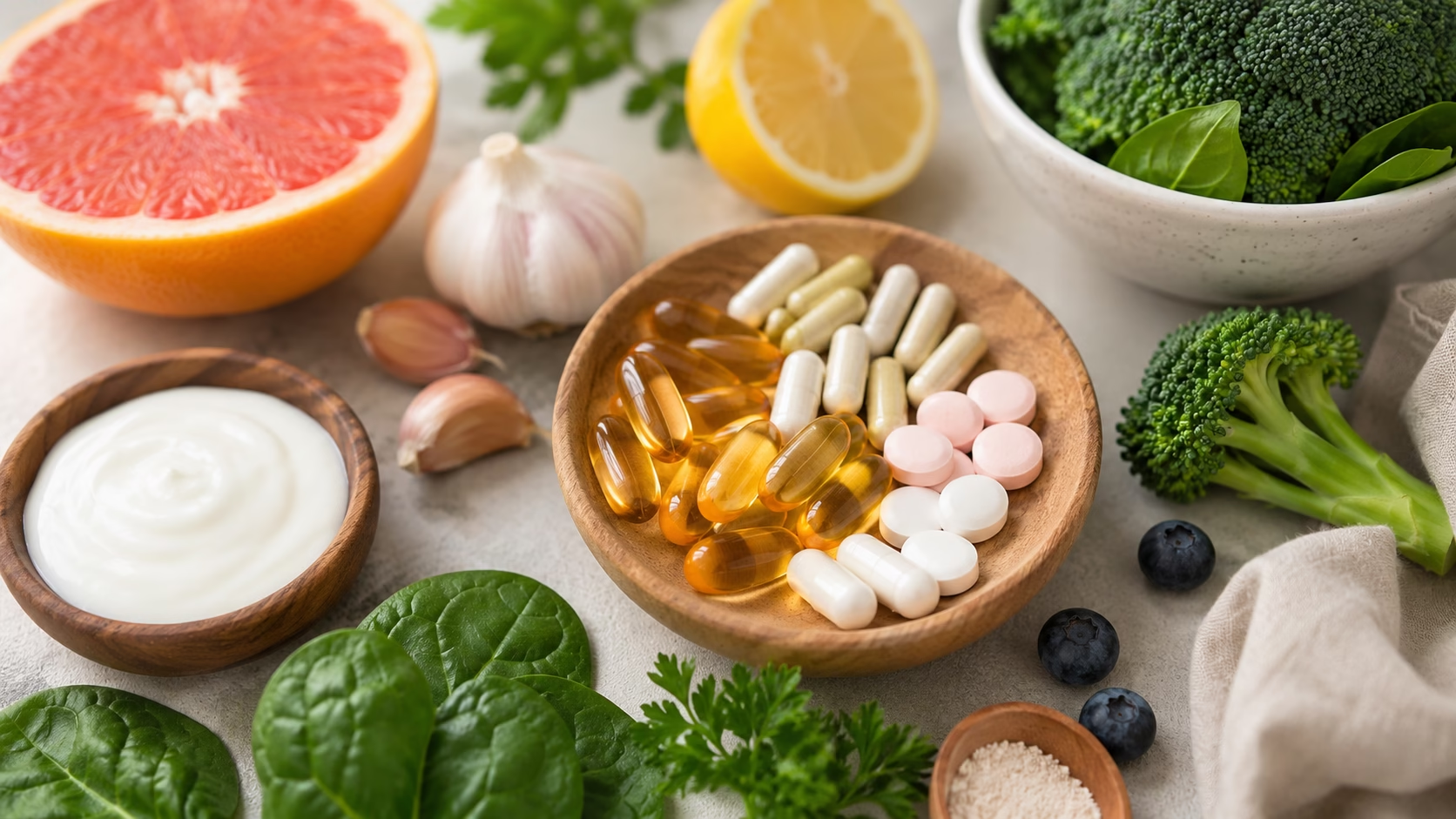
- Vitamins C, D, B complex, and E support immune function and can help reduce yeast overgrowth when taken via diet or supplements.
- Probiotics, garlic, oregano oil, cranberry extract, and zinc provide antifungal support and help restore healthy microbial balance.
- Talk with your healthcare provider before starting supplements; also prioritize a vitamin-rich diet, sun exposure for D, and good hygiene.
When it comes to vitamins, they play a crucial role in maintaining overall health and boosting the immune system. In the case of yeast infections, certain vitamins can help strengthen the body’s defenses against yeast overgrowth and promote a healthy balance of bacteria. Let’s delve into the world of vitamins and how they can aid in the fight against yeast infections.
Importance of Vitamins in Combating Yeast Infections
Vitamins play a crucial role in supporting our immune system and overall health, which can help in preventing and treating yeast infections.
When our bodies are deficient in certain vitamins, it can weaken our immune system, making us more susceptible to infections, including yeast infections. That’s why it’s important to ensure we are getting all the essential vitamins and nutrients our bodies need to stay healthy and fight off unwanted invaders like yeast.
So, what vitamins are particularly important when it comes to combating yeast infections? Let’s dive in and find out!
- Vitamin C: This powerful antioxidant helps boost our immune system and fight off infections. It also helps maintain a healthy balance of bacteria in our bodies, which can prevent yeast overgrowth.
- Vitamin D: Known as the “sunshine vitamin,” vitamin D plays a crucial role in supporting our immune system and fighting off infections. Studies have shown that vitamin D deficiency may be linked to an increased risk of yeast infections.
- Vitamin B Complex: B vitamins, such as B6 and B12, are essential for maintaining a healthy immune system and supporting overall health. They can help regulate hormones and prevent yeast overgrowth.
- Vitamin E: This powerful antioxidant can help reduce inflammation and support our immune system, which can be beneficial in preventing and treating yeast infections.
By ensuring we are getting an adequate intake of these vitamins through a balanced diet or supplementation, we can support our immune system and reduce our risk of developing yeast infections. It’s always best to consult with a healthcare provider before starting any new supplement regimen to ensure it’s safe and appropriate for you.
Related Posts:

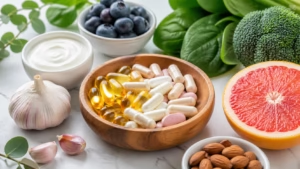
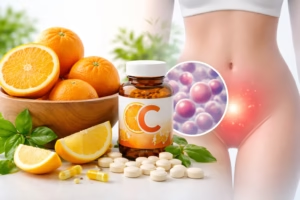
Remember, a healthy diet rich in vitamins and nutrients is key to maintaining overall health and preventing infections. So, load up on those fruits, veggies, and whole grains to keep your immune system strong and kick those yeast infections to the curb!
Vitamin C for yeast infections
Vitamin C, also known as ascorbic acid, is a powerful antioxidant that plays a crucial role in boosting your immune system. A strong immune system is essential for fighting off infections, including yeast infections.
Yeast infections are caused by an overgrowth of a type of yeast called Candida. Studies have shown that Vitamin C can help regulate the growth of Candida by creating an environment that is less conducive to its proliferation. By maintaining the balance of good bacteria in your body, Vitamin C can help prevent yeast infections from occurring.
So, how can you incorporate Vitamin C into your daily routine to keep yeast infections at bay? You can start by increasing your intake of Vitamin C-rich foods such as citrus fruits (oranges, lemons, grapefruits), strawberries, kiwi, bell peppers, and broccoli. If you find it challenging to get enough Vitamin C from your diet alone, consider taking a Vitamin C supplement to ensure you’re getting an adequate amount.
It’s important to note that Vitamin C is water-soluble, which means that your body doesn’t store it. This makes it crucial to consume Vitamin C daily to maintain optimal levels in your system. By consistently incorporating Vitamin C into your diet, you can help support your immune system and reduce the risk of yeast infections.
Remember, while Vitamin C can be beneficial in preventing yeast infections, it’s essential to consult with a healthcare professional if you’re experiencing recurrent or severe infections. They can provide personalized advice and treatment options to address your specific needs.
So, there you have it – Vitamin C can be a valuable ally in the fight against yeast infections. By making sure you’re getting enough Vitamin C in your diet, you’re taking a proactive step towards maintaining your overall health and well-being. Cheers to good health!
Vitamin D for Yeast Infections
Vitamin D is often referred to as the “sunshine vitamin” because our bodies can produce it when our skin is exposed to sunlight. However, many people don’t get enough sun exposure, especially during the winter months or if they spend a lot of time indoors. This can lead to a deficiency in Vitamin D, which can impact our immune system and make us more susceptible to yeast infections.
So, how does Vitamin D help with yeast infections? Well, Vitamin D plays a crucial role in supporting our immune system. It helps our bodies fight off infections, including yeast overgrowth. Studies have shown that Vitamin D can help regulate our immune response and reduce inflammation, which are both important factors in combating yeast infections.
Research has also suggested that Vitamin D may have antifungal properties, meaning it can help kill off the yeast causing the infection. By boosting your Vitamin D levels, you can potentially reduce the severity and frequency of yeast infections.
But how can you increase your Vitamin D intake? One of the best ways is to spend some time in the sun. Just 10-15 minutes of sun exposure a few times a week can help your body produce Vitamin D. However, if you live in a place with limited sunlight or if you have a busy indoor lifestyle, you may need to rely on food sources or supplements to get your Vitamin D fix.
Some good food sources of Vitamin D include fatty fish like salmon and mackerel, egg yolks, and fortified foods like milk and cereals. If you’re considering a Vitamin D supplement, be sure to talk to your healthcare provider to determine the right dosage for you.
Remember, Vitamin D is just one piece of the puzzle when it comes to combating yeast infections. It’s important to also maintain good hygiene practices, wear breathable clothing, and avoid excessive sugar and refined carbs in your diet, as these can contribute to yeast overgrowth.
So, there you have it – Vitamin D can be a valuable ally in your battle against yeast infections. Make sure you’re getting enough of this essential nutrient to keep your immune system strong and your body healthy. Stay sunny and keep fighting the good fight!
Vitamin B Complex for Yeast Infections
When it comes to combating yeast infections, incorporating the right vitamins into your diet can make a significant difference in your overall health and well-being. One group of vitamins that is particularly beneficial in fighting yeast infections is the B complex vitamins.
What exactly is the B complex?
The B complex vitamins are a group of eight essential nutrients that play a crucial role in maintaining a healthy immune system, promoting proper digestion, and supporting overall wellness. These vitamins include B1 (thiamine), B2 (riboflavin), B3 (niacin), B5 (pantothenic acid), B6 (pyridoxine), B7 (biotin), B9 (folate), and B12 (cobalamin).
How do B complex vitamins help with yeast infections?
One of the key ways in which B complex vitamins can help combat yeast infections is by supporting the immune system. A strong immune system is essential in fighting off infections, including those caused by yeast. Additionally, certain B vitamins, such as B6 and B12, have been found to have antifungal properties that can help inhibit the growth of yeast.
How can you incorporate B complex vitamins into your diet?
There are several ways to ensure you are getting an adequate amount of B complex vitamins in your diet. Foods rich in B vitamins include whole grains, leafy green vegetables, nuts, seeds, eggs, and lean meats. You can also consider taking a B complex supplement to ensure you are meeting your daily requirements.
Are there any precautions to keep in mind?
While B complex vitamins are generally safe for most people, it is always a good idea to consult with a healthcare provider before starting any new supplement regimen. Some individuals may have specific health conditions or medications that could interact with certain B vitamins, so it is important to seek professional advice.
The bottom line
Incorporating B complex vitamins into your diet can be a valuable strategy in combating yeast infections and promoting overall health. By ensuring you are getting a sufficient amount of these essential nutrients, you can support your immune system and potentially reduce your risk of recurrent yeast infections. Remember, it’s always best to consult with a healthcare provider before making any significant changes to your diet or supplement routine.
Vitamin E for yeast infections
Hey there! Let’s talk about another powerful vitamin that can help combat pesky yeast infections – Vitamin E! This essential nutrient not only plays a crucial role in overall health but also has some amazing benefits when it comes to fighting off those unwanted fungal infections.
What is Vitamin E?
Vitamin E is a fat-soluble antioxidant that helps protect cells from damage and supports the immune system. It can be found in various foods such as nuts, seeds, and leafy greens, or taken as a supplement.
How does Vitamin E help with yeast infections?
When it comes to yeast infections, Vitamin E can be a game-changer. It helps boost the immune system, making it easier for your body to fight off the overgrowth of yeast. Additionally, Vitamin E has anti-inflammatory properties that can help reduce the symptoms associated with yeast infections, such as itching and irritation.
How to incorporate Vitamin E into your routine?
One way to get more Vitamin E into your diet is by eating foods rich in this nutrient, such as almonds, sunflower seeds, and spinach. You can also consider taking a Vitamin E supplement, but be sure to consult with your healthcare provider first to determine the right dosage for you.
Topical application of Vitamin E
In addition to consuming Vitamin E internally, you can also use it topically to help alleviate symptoms of yeast infections. Applying Vitamin E oil to the affected area can help soothe irritation and promote healing.
Precautions and considerations
While Vitamin E can be incredibly beneficial in combating yeast infections, it’s essential to use it responsibly. Avoid taking high doses of Vitamin E as it can have adverse effects. Always follow the recommended dosage and consult with your healthcare provider before making any significant changes to your supplement routine.
So, there you have it – Vitamin E is another fantastic tool in your arsenal against yeast infections. Incorporating this essential nutrient into your routine can help support your immune system and alleviate symptoms associated with fungal overgrowth. Remember to always prioritize your health and consult with a healthcare professional for personalized advice. Here’s to a happy, healthy, yeast-free life!
Other vitamins and supplements for yeast infections
When it comes to combating yeast infections, vitamins and supplements can play a crucial role in supporting your body’s natural defenses. In addition to Vitamin C, Vitamin D, Vitamin B complex, and Vitamin E, there are other key vitamins and supplements that can help keep yeast infections at bay. Let’s explore some of these options:
1. Probiotics
Probiotics are beneficial bacteria that can help restore the balance of good bacteria in your gut and vagina, which can help prevent yeast overgrowth. Look for probiotic supplements that contain Lactobacillus acidophilus, Lactobacillus rhamnosus, or Bifidobacterium lactis for optimal results.
2. Garlic
Garlic is known for its antifungal properties and can help inhibit the growth of yeast. You can either incorporate more garlic into your diet or take garlic supplements to help prevent yeast infections.
3. Oregano oil
Oregano oil has powerful antifungal properties that can help combat yeast infections. You can take oregano oil supplements or dilute oregano oil in carrier oil and apply it topically to the affected area for relief.
4. Cranberry extract
Cranberry extract can help prevent yeast infections by preventing the adherence of yeast to the urinary tract. Incorporating cranberry extract supplements into your routine can help support urinary tract health and reduce the risk of yeast infections.
5. Zinc
Zinc is essential for a healthy immune system and can help support your body’s ability to fight off yeast infections. Incorporating zinc-rich foods into your diet or taking zinc supplements can help boost your immune system and reduce the risk of yeast infections.
Remember, while vitamins and supplements can play a supportive role in combating yeast infections, it’s important to consult with a healthcare professional before adding any new supplements to your routine. They can help you determine the right dosages and combinations based on your individual needs.
By incorporating these vitamins and supplements into your daily routine, along with maintaining good hygiene practices and a healthy diet, you can help prevent yeast infections and support your overall health and well-being. Stay proactive and take care of your body – it will thank you in the long run!