RHINOVIRUS/ENTEROVIRUS POSITIVE – WHAT IT MEANS AND WHAT YOU CAN DO
Introduction
Testing positive for rhinovirus or enterovirus can be a confusing result on a respiratory or gastrointestinal viral panel. You may wonder: Am I dealing with just “a cold,” or something more serious? In this post, we’ll break down what these viruses are, why getting a positive result matters, and how you can manage symptoms, prevent spread, and know when to seek medical help. Whether you’re a parent, caregiver, or simply curious, read on for actionable, expert-backed information.
Understanding Rhinovirus vs. Enterovirus

Before diving into test results, it helps to know the basics of each virus family.
• Rhinovirus
– Belongs to the Picornaviridae family
– Most common cause of the “common cold”
– Transmitted via respiratory droplets and contaminated surfaces
– Peak season: late summer through early spring
• Enterovirus
– Also in the Picornaviridae family, but a different genus
– Includes Coxsackie, echovirus, poliovirus, and enterovirus D68
– Can affect the respiratory tract, gastrointestinal tract, or nervous system
– Year-round circulation, with spikes in summer and fall
The Significance of a Positive Test
A laboratory panel that flags rhinovirus/enterovirus doesn’t always distinguish between them, instead it indicates genetic material from one of these viruses is present in your sample (e.g., nasal swab, throat swab, or stool). Key takeaways:
• Confirms a viral cause
• Rules out bacterial infections needing antibiotics
• Guides symptom management and isolation precautions
• Does NOT necessarily predict severity, some people remain mild, others worsen
Recognizing Common Symptoms
Although symptoms overlap, you can often infer which virus is at play:
Rhinovirus Symptoms
– Runny or stuffy nose
– Sore throat
– Sneezing
– Mild cough
– Low-grade fever (occasionally)
Enterovirus Symptom
– Fever
– Body aches and muscle pains
– Gastrointestinal upset (nausea, vomiting, diarrhea)
– Hand, Foot, and Mouth lesions (Coxsackie A)
– Respiratory distress (enterovirus D68 in children)
– Rare neurological complications (aseptic meningitis)
Diagnosing and Testing Methods
Clinical presentation often guides testing. Common laboratory methods include:
• PCR (Polymerase Chain Reaction) panels
– High sensitivity and specificity
– Rapid turnaround (hours to a day)
• Viral culture
– Less common, takes days, limited availability
• Serology (antibody tests)
– Rarely used for acute diagnosis
Why PCR? It detects viral RNA directly and is the cornerstone of modern respiratory/gastrointestinal panels.
Treatment and Management
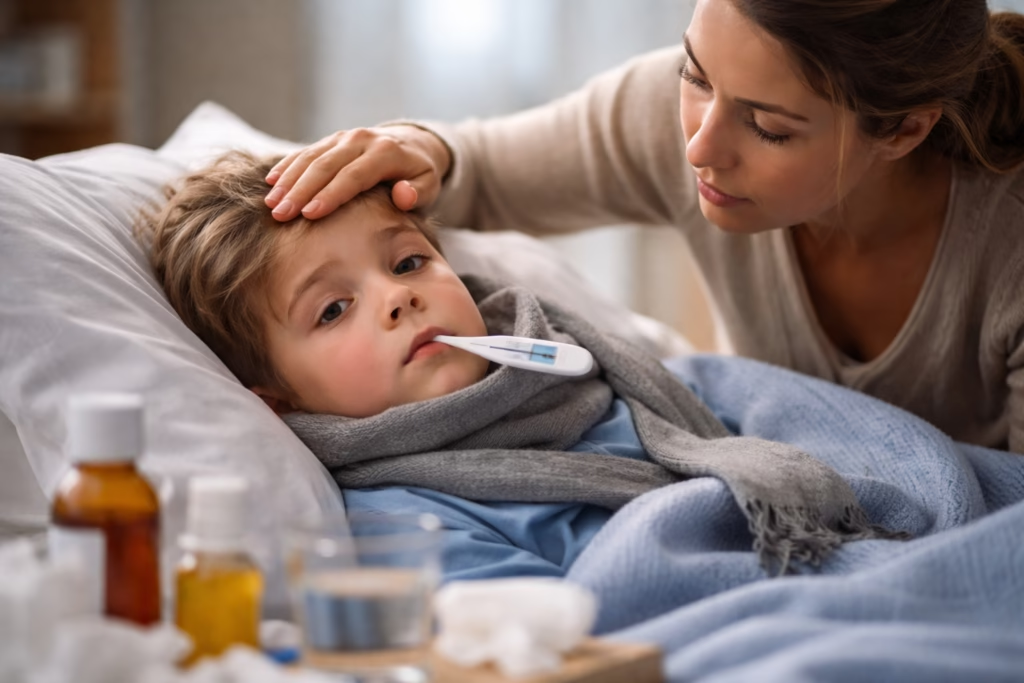
No specific antiviral drugs are approved for most rhinovirus or non-polio enterovirus infections. Instead, focus on symptomatic relief and supportive care:
Symptom Management Tips
– Hydration: plenty of fluids (water, broths, electrolyte solutions)
– Pain and fever control: acetaminophen or NSAIDs, as directed
– Nasal congestion: saline rinses, steam inhalation
– Cough: honey (for ages >1 year), lozenges, humidifiers
– Rest: allow your immune system to recover
Prevention Strategies
Stopping spread not only protects you but vulnerable populations (infants, elderly, immunocompromised). Practice the “Three Ws”:
- Wash hands frequently with soap and water for ≥20 seconds
- Watch your distance, avoid close contact when possible
- Wear a mask in crowded indoor settings during active infection
Additional tips:
• Disinfect high-touch surfaces daily (doorknobs, phones)
• Cough/sneeze into your elbow, not your hands
• Stay home until at least 24 hours after fever resolves without medications
When to Seek Medical Attention
Most cases resolve in 7–14 days. However, reach out to a healthcare provider if you or a loved one experience:
• Difficulty breathing or shortness of breath
• Persistent high fever (>39°C/102.2°F)
• Signs of dehydration (dry mouth, dark urine, dizziness)
• Severe headache, neck stiffness, or neurological changes
• Worsening symptoms after initial improvement
Conclusion
A positive rhinovirus/enterovirus result can feel alarming, but in most healthy individuals it signals a self-limited infection manageable at home. Armed with the right information, symptom recognition, supportive care measures, and prevention strategies, you can navigate this common viral duo with confidence. If ever in doubt, consult your healthcare provider to tailor care to your personal health needs. Stay informed, stay healthy, and practice good hygiene to protect yourself and those around you.