
Introduction
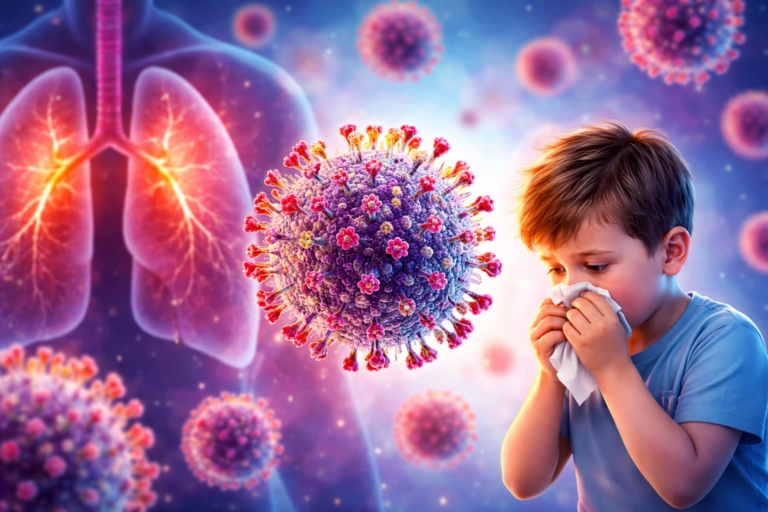
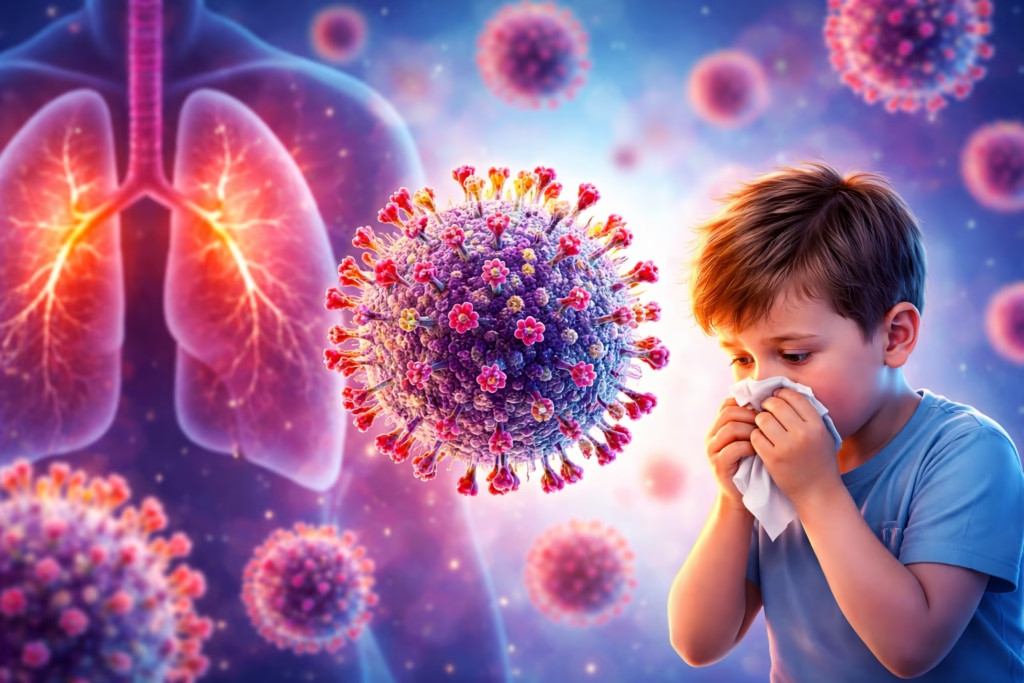
Every sniffle, cough, or sore throat can send us searching for answers and often the culprit is a tiny viral invader. Rhinoviruses and enteroviruses are two of the most prevalent viral families infecting humans worldwide. While rhinoviruses are infamous as the leading cause of the common cold, enteroviruses can trigger a wider range of illnesses from hand, foot, and mouth disease to viral meningitis. In this post, we’ll explore what makes these viruses tick, how they spread, the illnesses they cause, and practical strategies for prevention and care.

Understanding Rhinovirus
• What Is Rhinovirus?
– Belongs to the Picornaviridae family, genus Enterovirus
– Over 100 serotypes—hence the frequent colds year after year

• Epidemiology & Seasonality
– Peak activity in early fall and spring in temperate climates
– Responsible for 30–50% of all common colds
• Transmission
– Spread via respiratory droplets and direct contact (e.g., hand-to-face)
– Survives on surfaces for hours to days
• Common Symptoms
– Runny or stuffy nose
– Sneezing, sore throat, mild cough
– Low-grade fever (more common in children)
– General malaise and headache
Exploring Enterovirus
• What Is Enterovirus?
– Another Picornaviridae member, but distinct genus
– Includes poliovirus, coxsackievirus, echovirus, EV-D68, EV-A71

• Transmission & Seasonality
– Fecal–oral route is primary, though respiratory spread occurs (especially EV-D68)
– Usually peaks in summer and early fall
• Spectrum of Illness
– Hand, foot, and mouth disease (HFMD)
– Viral (aseptic) meningitis or encephalitis
– Myocarditis and pericarditis
– Poliomyelitis (now rare, thanks to vaccination)
– Acute flaccid myelitis (AFM) linked to EV-D68
• Typical Symptoms
– Fever, rash (HFMD), mouth sores
– Neck stiffness, headache (meningitis)
– Shortness of breath or wheezing (EV-D68)
– Muscle weakness or paralysis (rare, AFM or polio)
Section 3: Rhinovirus vs. Enterovirus—Key Differences
Feature |
Rhinovirus |
Enterovirus |
|---|---|---|
| Primary infection site | Upper respiratory tract | Gastrointestinal & respiratory tracts |
| Main transmission route | Respiratory droplets & contact | Fecal–oral; some respiratory spread |
| Seasonality | Fall & spring | Summer & early fall |
| Disease spectrum | Common cold only | Wide—HFMD, meningitis, myocarditis |
| Vaccine availability | None | Polio vaccine available |
Diagnosis and Management
• Diagnostic Methods
– PCR testing of nasal or throat swabs (rhinovirus, EV-D68)
– Stool specimens or CSF analysis (polio, coxsackie, echovirus)
– Serology in specialized settings
• Treatment Principles
– No specific antivirals for rhinovirus; supportive care only
– Enterovirus infections: mainly supportive; antivirals under investigation (e.g., pleconaril)
– Pain relief: acetaminophen or NSAIDs for fever and discomfort
– Hydration and rest are critical
• Hospitalization Criteria
– Severe dehydration (especially in kids)
– Neurological involvement (e.g., meningitis, paralysis)
– Respiratory distress (EV-D68)
Prevention Strategies
• Hand Hygiene
– Frequent handwashing with soap and water for at least 20 seconds
– When soap isn’t available, use an alcohol-based sanitizer
• Respiratory Etiquette
– Cover coughs and sneezes with a tissue or elbow crease
– Dispose of tissues promptly and wash hands
• Environmental Cleaning
– Disinfect high-touch surfaces (doorknobs, keyboards, phone screens)
– Use EPA-approved disinfectants
• Vaccination
– Polio vaccine, one of the great public health successes
– No vaccines currently for non-polio enteroviruses or rhinoviruses
• Social Distancing During Outbreaks
– Stay home when sick, avoid crowds
– Encourage sick children to rest and recover at home
When to Seek Medical Attention
Seek prompt care if you or your loved one experiences:
• High or persistent fever (> 38.5 °C / 101.3 °F)
• Difficulty breathing or chest pain
• Signs of dehydration (dry mouth, decreased urination)
• Neck stiffness, severe headache, or confusion
• Sudden limb weakness or paralysis

Conclusion
Rhinoviruses and enteroviruses may be microscopic, but their impact on global health is enormous, from the nuisance of common colds to potentially serious neurological or cardiac complications. By understanding their modes of transmission, recognizing key symptoms, and practicing good hygiene, we can reduce spread and protect ourselves and our communities. While researchers continue to explore targeted antivirals and vaccines, simple preventive measures remain our most powerful tools. Stay informed, stay vigilant, and don’t let these “tiny terrors” catch you off guard.