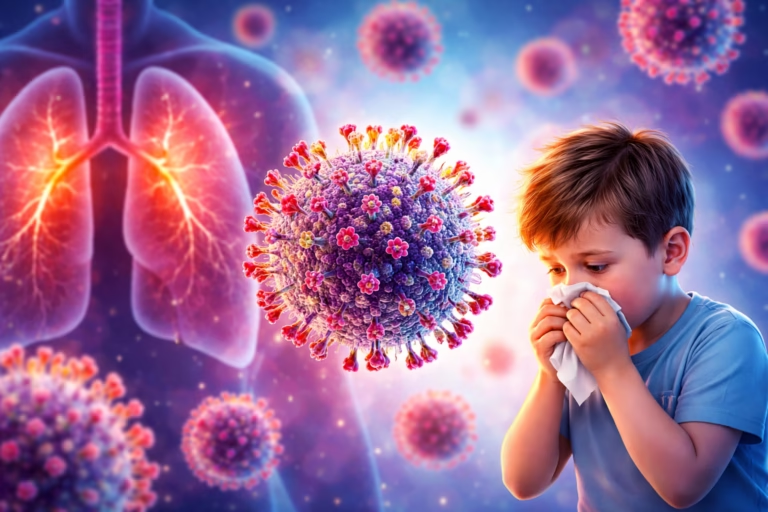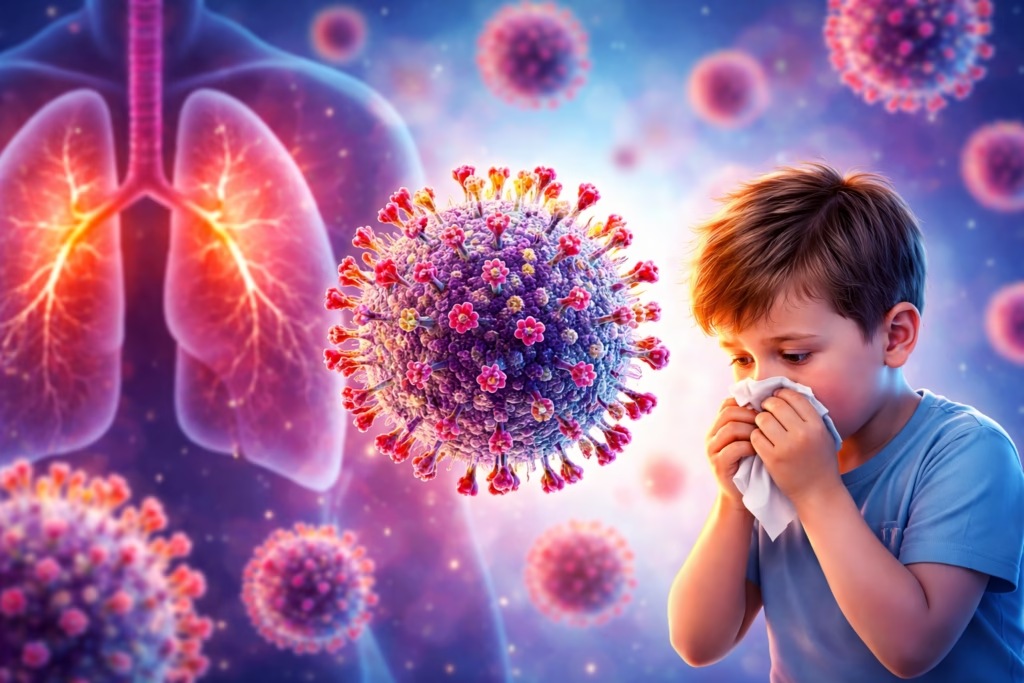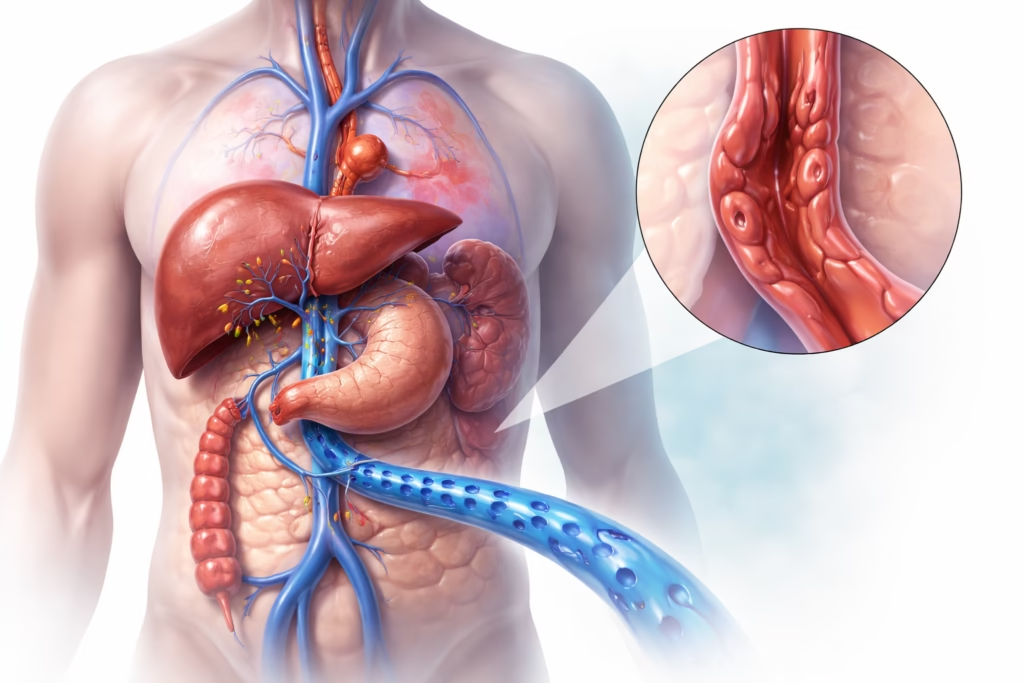
Emerging infectious diseases continue to pose serious global health challenges, and among them, the Nipah virus (NiV) stands out as one of the most dangerous. Though relatively rare, Nipah virus infections are associated with high fatality rates and the potential for outbreaks, making awareness and preparedness essential.
What Is the Nipah Virus?
The Nipah virus is a zoonotic virus, meaning it spreads from animals to humans. It was first identified in 1998–1999 during an outbreak among pig farmers in Malaysia. Since then, sporadic outbreaks have been reported primarily in South and Southeast Asia, especially in Bangladesh and India.
Nipah virus belongs to the Henipavirus genus and is closely related to the Hendra virus.
Natural Hosts and Transmission
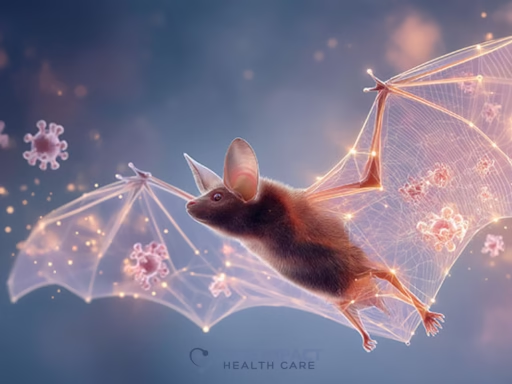
The natural reservoirs of the Nipah virus are fruit bats of the Pteropus species (commonly known as flying foxes). Transmission can occur in several ways:
-
Animal-to-human transmission: Through direct contact with infected animals such as pigs.
-
Bat-to-human transmission: By consuming food products contaminated with bat saliva or urine (for example, raw date palm sap).
-
Human-to-human transmission: Through close contact with infected individuals, particularly in healthcare or household settings.
Human-to-human spread makes Nipah especially concerning during outbreaks.
Symptoms and Clinical Presentation
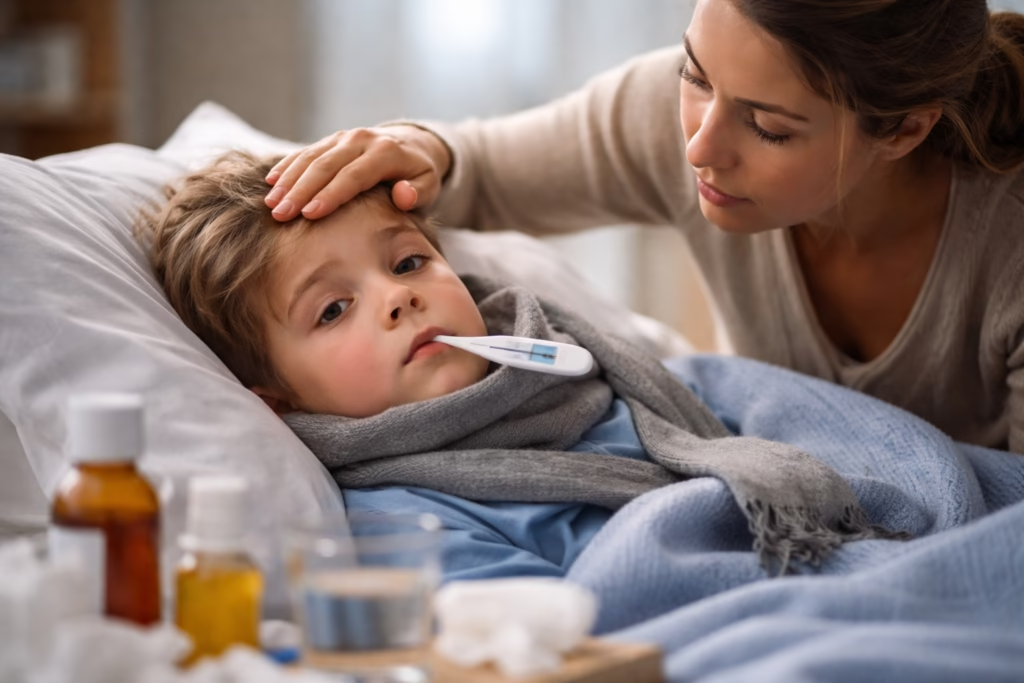
Symptoms typically appear 4 to 14 days after exposure, though incubation can be longer. The illness often begins with flu-like symptoms, including:
-
Fever
-
Headache
-
Muscle pain
-
Vomiting
-
Sore throat
In severe cases, the infection can progress rapidly to:
-
Encephalitis (brain inflammation)
-
Dizziness and confusion
-
Seizures
-
Coma
The case fatality rate has ranged from 40% to over 70%, depending on the outbreak and access to healthcare.
Diagnosis and Treatment
Diagnosing Nipah virus requires specialized laboratory testing, often using samples such as blood, throat swabs, urine, or cerebrospinal fluid. Because symptoms resemble other viral infections, early diagnosis can be challenging.
Currently, there is no specific antiviral treatment or approved vaccine for Nipah virus. Management focuses on:
-
Supportive care
-
Treating complications
-
Intensive care support when needed
Several vaccines and therapeutics are under development, but they are not yet widely available.
Prevention and Control
Preventing Nipah virus infection relies heavily on public health measures and behavioral changes, including:
-
Avoiding consumption of raw date palm sap
-
Washing and peeling fruits before eating
-
Avoiding contact with sick animals
-
Practicing strict infection control in healthcare settings
-
Isolating infected patients to prevent spread
Public education and community awareness play a critical role in outbreak prevention.
Why Nipah Virus Matters Globally
The World Health Organization (WHO) has listed Nipah virus as a priority pathogen due to its high mortality rate and potential to cause epidemics. Increased global travel, environmental changes, and closer human-animal interactions raise concerns about future outbreaks.
Conclusion
While Nipah virus infections are rare, their impact can be devastating. Understanding how the virus spreads, recognizing early symptoms, and following preventive measures are key to reducing risk. Continued research, surveillance, and international cooperation are essential to prevent Nipah virus from becoming a larger global health threat.
Raising awareness today helps save lives tomorrow.