Nipah Virus Outbreaks: Why This Deadly Disease Keeps Re-Emerging
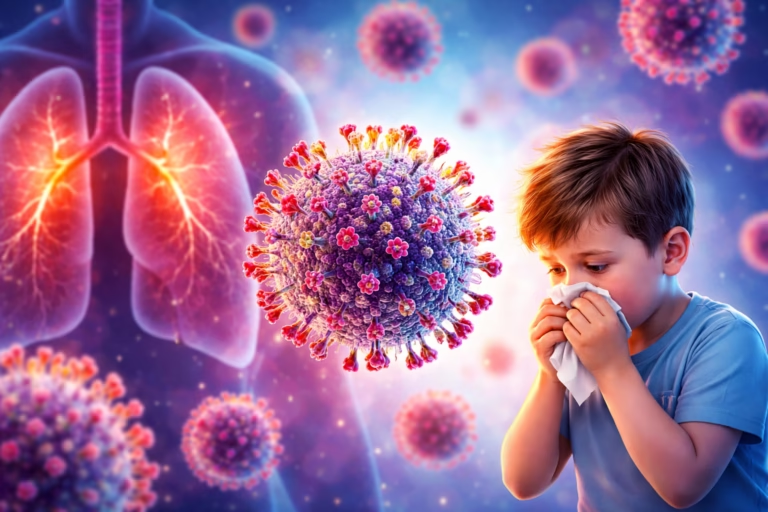
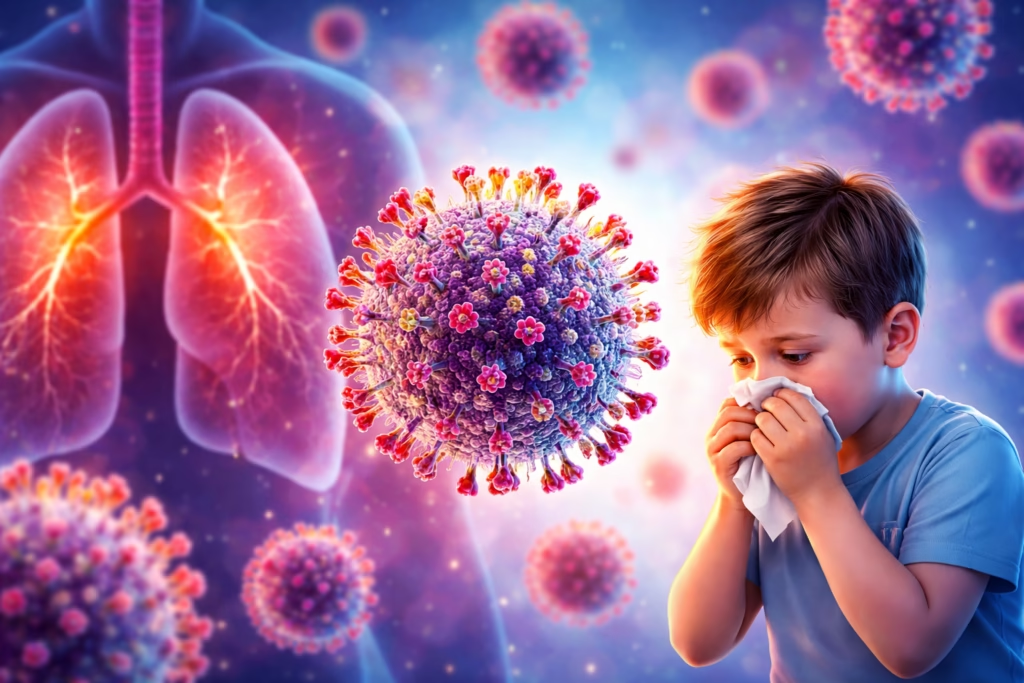
In recent years, global health authorities have raised concerns about viruses that originate in animals and spill over into human populations. Among these, the Nipah virus (NiV) remains one of the most alarming due to its high mortality rate and repeated outbreaks in parts of Asia. Understanding why Nipah virus keeps re-emerging is critical to preventing future health crises.
A Brief History of Nipah Virus Outbreaks
The Nipah virus was first detected during a major outbreak in Malaysia in 1998, where it caused severe illness among pig farmers. Over one million pigs were culled to control the spread. Since then, outbreaks have occurred almost annually in Bangladesh and intermittently in India, often with deadly consequences.
Unlike the initial Malaysian outbreak, later cases showed direct bat-to-human and human-to-human transmission, increasing the virus’s epidemic potential.
Environmental Factors Behind Re-Emergence
One major reason Nipah virus continues to resurface is environmental disruption. Deforestation and urban expansion have reduced natural bat habitats, forcing fruit bats to live closer to human communities.
As a result:
-
Bats feed on cultivated fruit trees near homes
-
Bat secretions contaminate food and water sources
-
Human exposure to the virus increases
Climate change also alters bat migration and feeding patterns, further heightening transmission risks.
Cultural and Behavioral Practices
In some regions, traditional practices unintentionally facilitate Nipah virus transmission. A notable example is the consumption of fresh date palm sap, which bats often contaminate while feeding at night.
Additionally:
-
Caregiving without protective measures
-
Crowded living conditions
-
Limited access to healthcare facilities
These factors make containment difficult once an outbreak begins.
Why Nipah Virus Is Hard to Control
Several characteristics make Nipah virus particularly challenging:
-
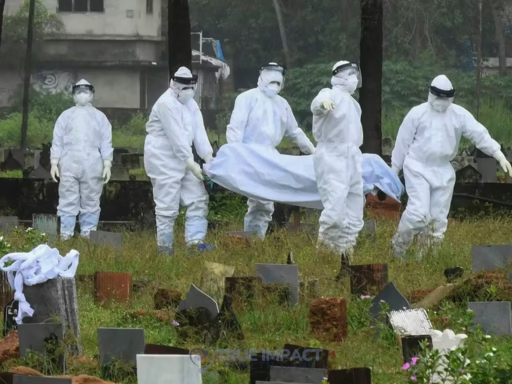
High fatality rate (up to 70%)
-
No approved vaccine or specific treatment
-
Ability to spread between humans
-
Non-specific early symptoms, delaying diagnosis
Healthcare systems in outbreak-prone regions often struggle with limited diagnostic tools and isolation facilities, allowing the virus to spread further.
Global Health Implications
Although Nipah virus outbreaks have been geographically limited so far, global interconnectedness means the risk is not confined to one region. International travel and trade could allow the virus to spread beyond its traditional hotspots.
For this reason, the WHO includes Nipah virus on its list of priority diseases requiring urgent research and preparedness.
What Can Be Done Going Forward?
Reducing the threat of Nipah virus requires a One Health approach, which recognizes the connection between human, animal, and environmental health. Key strategies include:
-
Strengthening disease surveillance systems
-
Educating communities about safe food practices
-
Protecting bat habitats
-
Investing in vaccine and antiviral research
-
Improving infection control in healthcare settings
Conclusion
The repeated emergence of Nipah virus is not accidental—it is a warning sign of how environmental change and human behavior can fuel deadly diseases. While outbreaks remain relatively rare, their severity demands vigilance, preparedness, and global cooperation.
Preventing the next Nipah outbreak depends not only on medical science but also on how societies interact with nature.