Introduction
Every year, millions of people worldwide experience the inconvenience, sometimes the misery of viral infections. Two of the most common culprits are human rhinoviruses and enteroviruses. Although they belong to the same virus family (Picornaviridae), they cause a range of illnesses from the familiar common cold to more serious conditions like hand, foot, and mouth disease or viral meningitis. In this post, we’ll demystify these tiny troublemakers, explore how they work, and share practical tips for staying healthy.
Understanding Human Rhinovirus and Enterovirus
Human rhinoviruses (HRV) and human enteroviruses (HEV) are among the most common viral pathogens affecting humans worldwide. Although they often cause mild illness, certain strains can lead to severe disease, particularly in vulnerable populations. Understanding how these viruses are related and how they differ, is key to prevention, diagnosis, and future treatment strategies.
What Are They?
Human Rhinovirus (HRV)
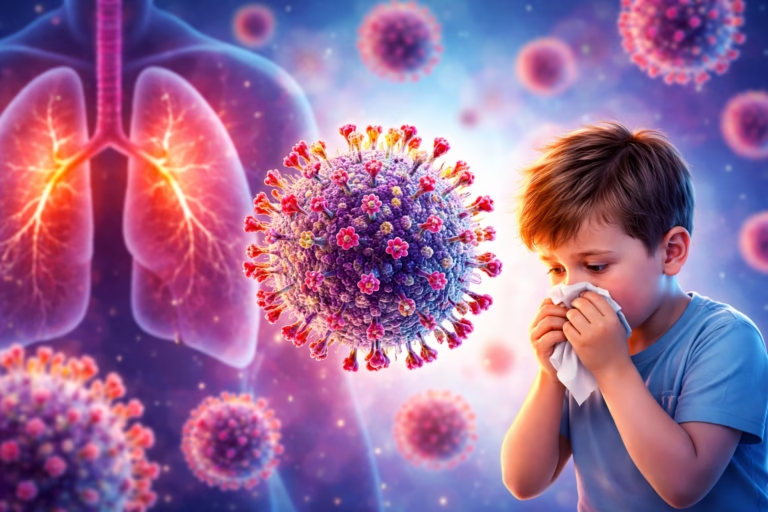
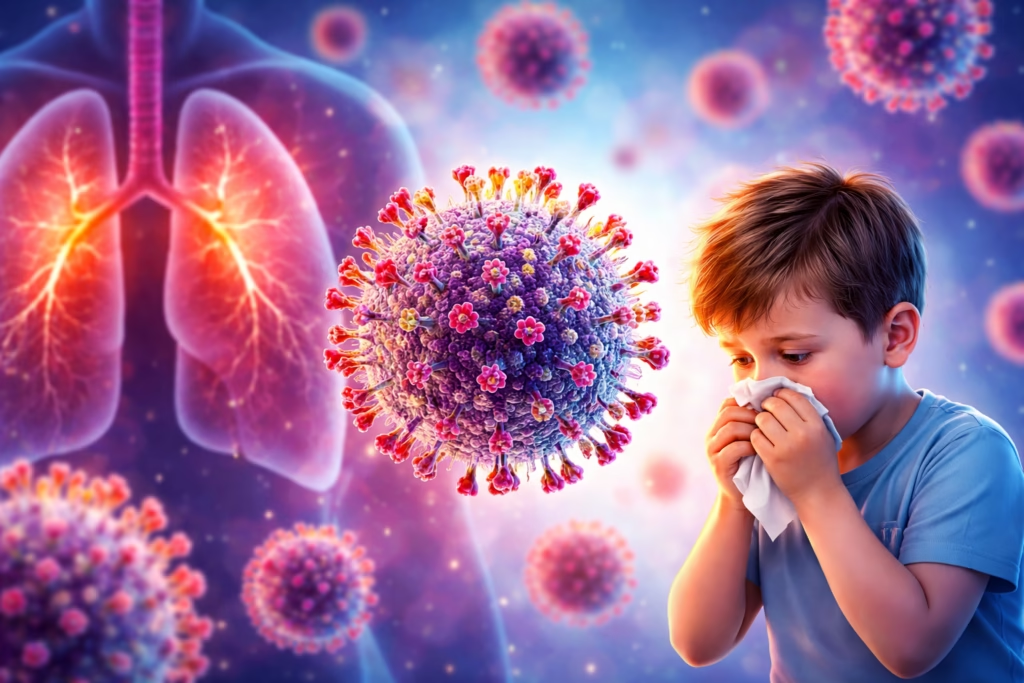
Human rhinovirus is best known as the primary cause of the common cold, accounting for the majority of upper respiratory tract infections globally. One of the reasons colds are so frequent is the virus’s extraordinary genetic diversity, there are over 100 recognized subtypes, and infection with one type provides little to no immunity against others.
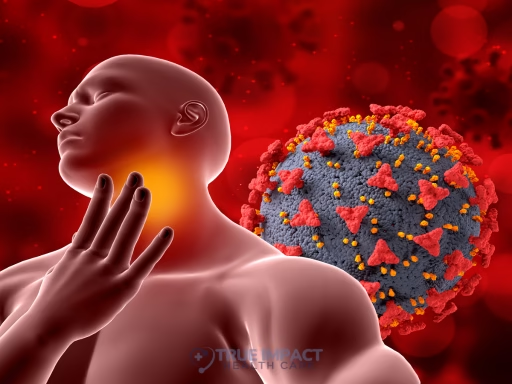
HRV infections typically affect the nose, throat, and sinuses, causing symptoms such as runny nose, sore throat, sneezing, and cough. While usually mild, HRV can trigger asthma exacerbations, worsen chronic lung disease, and cause complications in infants and the elderly.
Human Enterovirus (HEV)
Human enteroviruses represent a broader and more diverse group of viruses. This category includes Coxsackieviruses, Echoviruses, Polioviruses, and newer strains such as EV-D68 and EV-A71.
Unlike rhinoviruses, enteroviruses are associated with a wide spectrum of disease severity. Infections may range from mild respiratory or gastrointestinal symptoms to serious conditions such as viral meningitis, encephalitis, myocarditis, and paralysis. Some strains, particularly EV-A71, have been linked to severe neurological disease in children.
Why Group Them Together?
Despite their clinical differences, HRV and HEV share important biological similarities:
-
Both belong to the Picornaviridae family
-
Both are non-enveloped, single-stranded RNA viruses
-
Both spread mainly through respiratory droplets, direct person-to-person contact, and contaminated surfaces
Because of these shared features, researchers often study them together. Understanding their common structure and replication mechanisms helps in the development of broad-spectrum antivirals and preventive strategies that may be effective against multiple viruses within the family.
Virus Structure and Classification
The Picornaviridae Family Tree
Members of the Picornaviridae family share a compact and efficient structure:
-
Single-stranded RNA genome, approximately 7,000–8,500 nucleotides long
-
Icosahedral capsid made up of four structural proteins (VP1–VP4)
-
No lipid envelope, which makes them more stable in the environment
Because they lack an envelope, these viruses are more resistant to drying, heat, and many common disinfectants, allowing them to survive longer on surfaces and spread easily.
Key Differences Between HRV and HEV
Human Rhinovirus
-
Optimized for the upper respiratory tract
-
Replicates best at cooler temperatures (33–35°C), typical of the nasal passages
-
Rarely causes systemic infection but can worsen respiratory conditions
Human Enterovirus
-
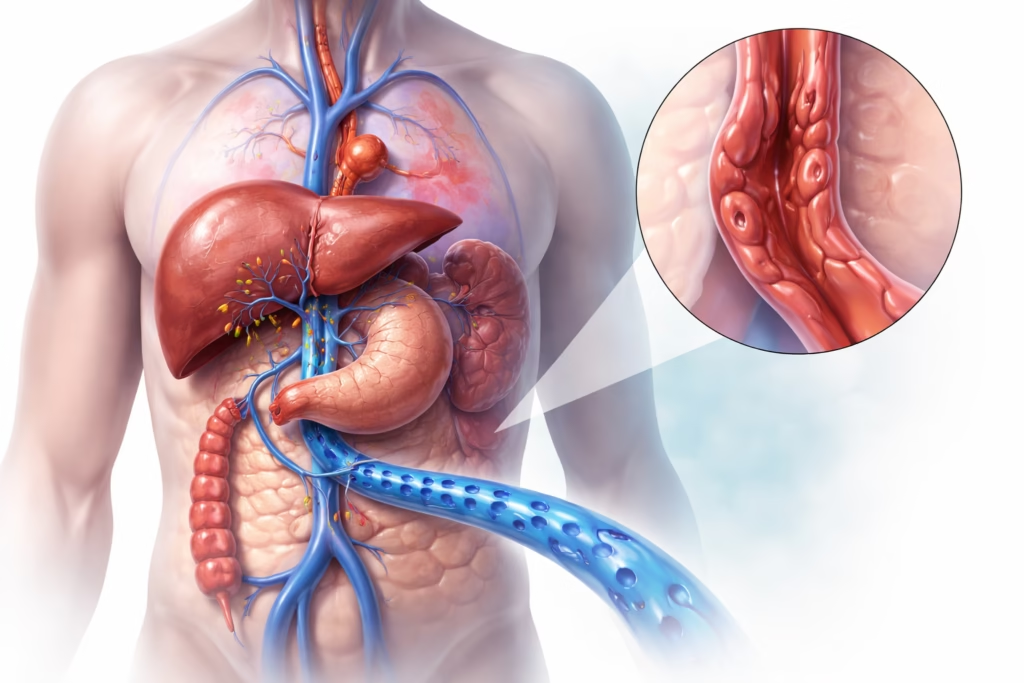
Commonly infects the gastrointestinal tract, with potential spread to other organs
-
Some strains can survive stomach acid, enabling intestinal infection
-
Certain types can invade the central nervous system, heart, or muscles, leading to severe disease
These biological differences explain why enteroviruses tend to cause more diverse and sometimes more dangerous clinical outcomes.
Transmission and Risk Factors
How Do These Viruses Spread?
Both HRV and HEV are highly contagious and spread through multiple routes:
-
Respiratory droplets released during coughing, sneezing, or talking
-
Direct contact, such as handshakes or sharing utensils
-
Fomites, touching contaminated surfaces and then touching the nose, mouth, or eyes
Poor hand hygiene and crowded environments significantly increase transmission risk.
Who’s Most at Risk?
-
Young children, especially in daycare centers and schools
-
Older adults and individuals with weakened immune systems
-
People living or working in close-contact settings such as offices, dormitories, public transport, and care facilities
Clinical Manifestations of Human Rhinovirus and Enterovirus
Human rhinovirus (HRV) and human enterovirus (HEV) infections can range from mild, self-limiting illnesses to severe, systemic disease. Recognizing the signs early is key to proper care and preventing complications.
Symptoms of Human Rhinovirus
Rhinovirus primarily infects the upper respiratory tract, leading to the classic cold symptoms:
-
Runny or stuffy nose – often the first sign of infection
-
Sneezing and sore throat – caused by inflammation of the nasal passages and pharynx
-
Mild cough – usually productive or dry, lasting a few days
-
Low-grade fever – occurs occasionally, mostly in children
-
Fatigue or mild malaise – feeling generally unwell without severe systemic symptoms
These infections are usually self-limiting, resolving within a week to 10 days. Complications are rare but may include secondary bacterial infections or asthma exacerbations.
Symptoms of Human Enterovirus
Enteroviruses are more diverse, and clinical manifestations vary depending on the specific strain:
-
Hand, Foot, and Mouth Disease (HFMD): Fever, painful sores in the mouth, and red rashes on the hands and feet. Commonly affects young children.
-
Viral Meningitis: Headache, stiff neck, fever, nausea, and photophobia (sensitivity to light). Usually mild compared to bacterial meningitis but requires monitoring.
-
Acute Respiratory Illness: Some strains, like EV-D68, cause cough, wheezing, or difficulty breathing, particularly in children and those with asthma.
-
Other Rare Presentations: Myocarditis (heart inflammation), hepatitis, or severe neurological symptoms can occur in immunocompromised individuals.
Because symptoms can overlap with other viral illnesses, proper diagnosis is important for management.
Diagnosis and Testing
When to Seek Medical Advice
Contact a healthcare provider if you or your child experience:
-
High or prolonged fever that does not respond to standard measures
-
Signs of dehydration, such as reduced urination, dry mouth, or lethargy
-
Severe headache, stiff neck, or confusion
-
Difficulty breathing, wheezing, or chest pain
-
Persistent vomiting or worsening symptoms
Early medical attention is especially important in infants, older adults, or immunocompromised individuals.
Diagnostic Tools
Healthcare providers may use the following tests:
-
PCR (Polymerase Chain Reaction) – detects viral RNA in nasal swabs, throat swabs, or stool samples; highly sensitive
-
Viral culture – requires specialized laboratories; useful for research or outbreak investigation
-
Antigen detection assays – rapid tests that identify specific viral proteins
Lab confirmation is most important in severe cases or outbreaks, while mild infections are often diagnosed clinically.
Treatment and Management
Symptom Relief Rules
Currently, no antiviral therapy is routinely approved for most HRV or HEV infections. Management focuses on relieving symptoms:
-
Rest and hydration – allowing the body to recover
-
Over-the-counter pain relievers – acetaminophen or ibuprofen for fever, headache, or body aches
-
Decongestants or saline nasal sprays – ease nasal congestion
Antivirals and Experimental Approaches
Some investigational therapies are being studied for severe or high-risk infections:
-
Pleconaril – an experimental antiviral targeting the Picornaviridae family
-
Capsid-binding molecules – designed to prevent viral attachment to cells
-
Supportive hospital care – intravenous fluids, oxygen, or monitoring for patients with severe enteroviral meningitis or respiratory complications
These approaches are mostly limited to clinical trials or severe, hospitalized cases.
Prevention Strategies
Prevention is the most effective way to limit infections:
-
Frequent handwashing – 20 seconds with soap and water
-
Use of alcohol-based sanitizer when handwashing isn’t possible
-
Avoid touching your face, eyes, nose, or mouth
-
Cover coughs and sneezes with a tissue or your elbow
-
Stay home when sick and keep symptomatic children home from school or daycare
-
Disinfect high-touch surfaces regularly: doorknobs, light switches, phones, keyboards
Community and Vaccination Efforts
Vaccines have been one of the most successful tools in reducing enterovirus-related disease:
-
Poliovirus vaccines – both inactivated (IPV) and oral (OPV) vaccines have nearly eradicated paralytic polio worldwide
-
Research is ongoing into broad-spectrum vaccines targeting other enteroviruses and even rhinoviruses, which could potentially reduce the burden of common colds and severe enteroviral illnesses
Conclusion
Human rhinovirus and enterovirus share a family name and many characteristics, yet they can differ significantly in the illnesses they cause and the parts of the body they target. While we don’t yet have a “silver bullet” antiviral for these infections, good hygiene, prompt symptom relief, and public health measures remain our best defenses. By understanding how human rhinovirus enterovirus spread and manifest, you’ll be better equipped to protect yourself and your loved ones. Stay informed, stay vigilant, and don’t let these microscopic foes sideline your day-to-day life.