
How to Treat Oily Scalp – A Complete Guide to Grease-Free, Healthy Hair
Introduction
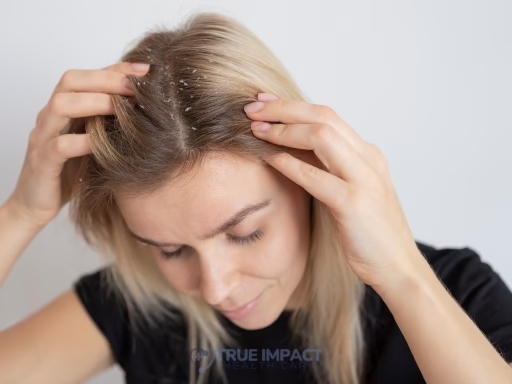
An oily scalp can feel like a never-ending battle: you wash your hair, and a few hours later it’s looking greasy again. Beyond aesthetics, excess oil (sebum) can lead to itchiness, product buildup, and even dandruff. If you’re tired of washing your hair daily or hiding under hats, this guide is for you. We’ll demystify what causes an oily scalp, explore effective treatments, both home remedies and commercial products and share lifestyle tips to keep your scalp balanced and your hair looking fresh.
Understanding Your Oily Scalp
Why does your scalp overproduce oil? Here are the main culprits:
• Overactive Sebaceous Glands – Some people naturally produce more sebum.
• Hormonal Fluctuations – Puberty, menstrual cycles, pregnancy, or stress can spike oil production.
• Genetics – If oily hair runs in your family, you may be predisposed.
• Product Buildup – Heavy conditioners, silicone-laden serums, and dry shampoo can accumulate on the scalp, creating a greasy look.
• Environmental Factors – High humidity or pollution can trigger oiliness.
Knowing the triggers helps you choose the right strategies to restore balance.
Signs & Symptoms to Watch For

Before diving into treatments, make sure your scalp issues aren’t a sign of an underlying condition:
• Greasy, droopy hair just hours after washing
• Constant need to scratch or rub your scalp
• White flakes or dandruff mixed with oil
• Scalp inflammation or redness
If you notice severe itching, pain, or persistent dandruff despite your efforts, consult a dermatologist.
Shampoo & Washing Routine
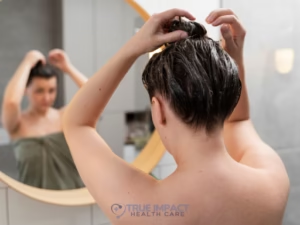
A consistent, scalp-friendly washing regimen is the cornerstone of controlling excess oil.
- Frequency
– Aim for every other day or every third day. Daily washing can strip your scalp, causing it to overcompensate with even more oil. - Choose the Right Shampoo
– Clarifying Shampoos: Once a week to remove buildup.
– Sulfate-Free, pH-Balanced Formulas: Gentle cleansing without irritation.
– Tea Tree or Salicylic Acid Shampoos: Help control oil and prevent dandruff. - Proper Technique
– Massage Gently: Spend 1–2 minutes focusing on the scalp, not just hair strands.
– Rinse Thoroughly: Any leftover product can weigh hair down and worsen greasiness.
– Condition Wisely: Apply conditioner only on mid-lengths and ends, avoiding roots.
Targeted Scalp Treatments

Beyond your regular shampoo, look for specialized products:
• Scalp Exfoliating Masks or Scrubs
– Ingredients: Bentonite or kaolin clay, sugar, or salicylic acid.
– Benefit: Slough off dead skin cells and excess oil.
– Use: Once every 1–2 weeks.
• Scalp Serums or Tonics
– Key Actives: Niacinamide (regulates sebum), peppermint oil (soothing), witch hazel (astringent).
– Application: Apply to clean, towel-dried scalp.
• Dry Shampoos (as a backup)
– Choose lightweight, non-chalky formulas.
– Use sparingly at the roots between washes.
Home Remedies & Natural Solutions
If you prefer a more natural approach, try these DIY treatments:
– Apple Cider Vinegar Rinse
• Mix: 1–2 tablespoons ACV with 1 cup water.
• How to Use: After shampooing, pour over scalp, let sit 2–3 minutes, then rinse.
• Benefit: Restores pH balance and dissolves excess oil.
– Tea Tree Oil Scalp Treatment
• Mix: 3–4 drops of tea tree essential oil into your regular shampoo or a carrier oil (jojoba, coconut).
• Benefit: Antimicrobial and oil-regulating properties.
– Aloe Vera Gel
• Application: Massage pure aloe gel into your scalp, leave 15–20 minutes, then wash out.
• Benefit: Soothes irritation and controls sebum.
Note: Always patch-test any new remedy to avoid sensitivity.
Lifestyle & Dietary Tips
What you eat and how you live also impacts scalp health.
- Balanced Diet
– Eat plenty of fruits, vegetables, lean proteins, and whole grains.
– Limit high-glycemic foods (white bread, sugary snacks) that can increase oil production. - Stay Hydrated
– Aim for 8 glasses of water daily to regulate sebum production. - Stress Management
– Practice yoga, meditation, or deep-breathing exercises.
– Chronic stress can spike cortisol, which in turn can increase oiliness. - Exercise Smartly
– Rinse or wash hair after heavy workouts to remove sweat and oils.
Additional Tips for Grease-Free Hair
• Avoid Heavy Styling Products: Waxes, pomades, and oils can exacerbate oil buildup.
• Don’t Overbrush: Too much brushing stimulates your scalp and spreads oil down the hair shaft.
• Use Silk or Satin Pillowcases: Reduces friction and product transfer.
• Keep Hands Off: Touching your hair transfers oils from your fingers to roots.
Conclusion
An oily scalp doesn’t have to be a permanent nuisance. By understanding the causes, adopting a tailored washing routine, exploring targeted treatments, and embracing healthy lifestyle habits, you can restore your scalp’s natural balance. Start with small changes, like switching to a clarifying shampoo or trying an apple cider vinegar rinse, and monitor your results. If your efforts still leave you struggling with persistent oiliness or irritation, seek professional advice from a dermatologist.
With consistency and the right approach, you’ll soon enjoy fresher, cleaner hair days and regain the confidence that comes with a healthy scalp.








3 Responses
An oily scalp doesn’t mean unhealthy hair, it means your scalp needs balance. This article shares simple, effective routines and treatments that actually work to keep grease under control and hair fresh for longer.
Finally, a complete guide that doesn’t just say “wash your hair more.” The lifestyle and home remedy tips were a great bonus.
Very informative and easy to follow. The section on shampoo routines and scalp treatments was especially helpful. Definitely bookmarking this!