How to Treat Hives in Dogs: A Complete Guide to Relief and Prevention
Introduction
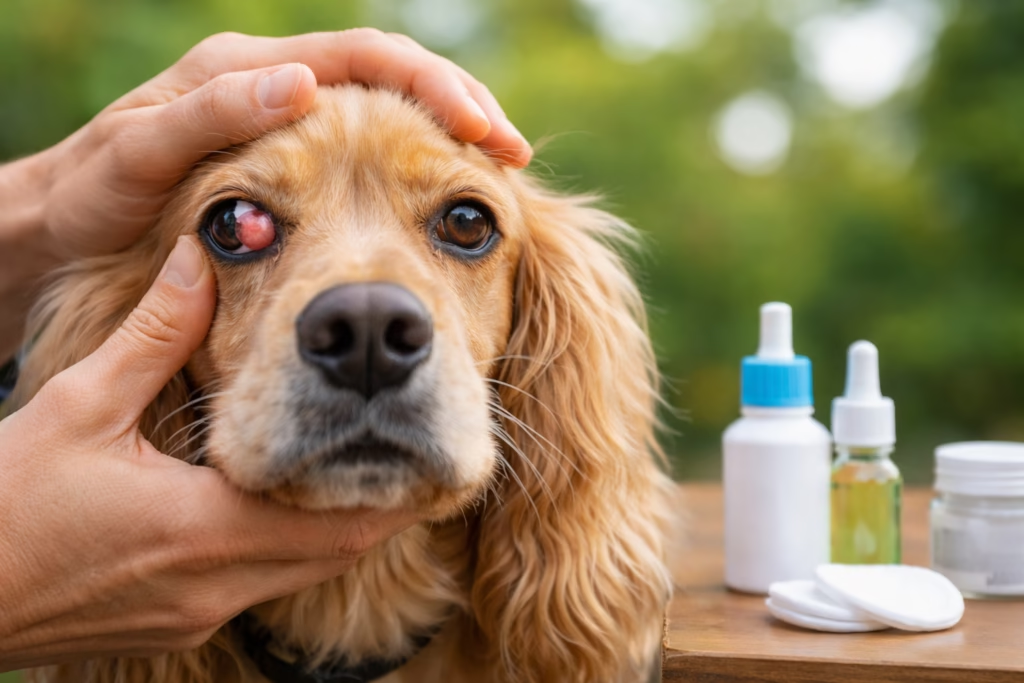
Nothing alarms a pet parent more than seeing your dog break out in itchy, raised welts. Hives, also known as urticaria are red, itchy bumps that appear suddenly on a dog’s skin. While they’re often harmless, they can be uncomfortable and sometimes signal a more serious reaction. In this guide, we’ll walk you through what causes canine hives, how to recognize them, home-care strategies, when to call the vet, and prevention tips to keep your pup happy and itch-free.
Understanding Hives in Dogs
1.1 What Are Hives?
• Also called urticaria, hives are localized areas of swelling in the skin.
• They often appear as raised, red or pink welts (wheals) that can vary in size.
1.2 Why Do Dogs Get Hives?
• Allergic reactions (food, insect bites, pollen)
• Medication side effects (antibiotics, NSAIDs)
• Environmental triggers (household cleaners, plants)
• Physical triggers (heat, cold, pressure)
• Idiopathic (unknown) causes
Recognizing the Signs & Symptoms
Spotting hives early helps you take prompt action. Common signs include:
• Raised, round or irregular bumps on the skin surface
• Intense itching or scratching
• Redness or swelling that may come and go
• If severe, facial swelling or difficulty breathing (emergency)
Pro tip: Unlike fleas or mange, hives appear suddenly and may shift location within minutes to hours.
First Aid & Home Remedies
While a quick trip to the vet is best, you can often provide immediate relief at home if your dog’s hives are mild.
3.1 Cool Compress
• Apply a clean, damp cloth or ice pack (wrapped in a towel) to the affected area for 5–10 minutes.
• Repeat every few hours to help reduce swelling and itching.
3.2 Antihistamines (With Veterinary Guidance)
Common over-the-counter options like diphenhydramine (Benadryl) can help—but dosage matters:
• Typical dosage: 1 mg per pound of body weight, given 2–3 times a day
• Always confirm with your veterinarian before administering
3.3 Oatmeal Baths
• Colloidal oatmeal soothes irritated skin and provides temporary relief.
• Fill a tub with lukewarm water, stir in finely ground oatmeal, and let your dog soak for 10–15 minutes.
3.4 Restrict Scratching
• Use an Elizabethan collar (e-collar) or soft inflatable collar to prevent self-trauma.
• Keep nails trimmed to minimize skin damage.
When to Seek Veterinary Care
While mild hives often resolve in 24–48 hours, contact your vet if you notice:
• Hives covering large body areas or spreading rapidly
• Facial swelling, especially around eyes, lips, or neck
• Difficulty breathing, coughing, or wheezing
• Vomiting, diarrhea, or signs of shock (pale gums, weakness)
• No improvement after 48 hours of home care
Your veterinarian may perform bloodwork, allergy tests, or skin biopsies to pinpoint the cause and recommend targeted treatment.
Veterinary Treatments & Medications
If home remedies don’t suffice, your vet may prescribe:
• Prescription antihistamines or corticosteroids to reduce inflammation
• Epinephrine injections for severe allergic reactions (anaphylaxis)
• Medicated shampoos or topical creams to control itching
• Dietary trials if a food allergy is suspected
Long-Term Prevention Strategies
Keeping hives at bay often involves identifying and minimizing triggers. Consider these tips:
6.1 Allergy Testing
• Blood tests or intradermal skin testing can reveal environmental or food sensitivities.
6.2 Elimination Diet
• Switch to a novel-protein or hypoallergenic diet under veterinary supervision.
• Gradually reintroduce ingredients to identify the culprit.
6.3 Environmental Management
• Use fragrance-free cleaning products and pet shampoos.
• Keep your yard trimmed and avoid known plant allergens.
6.4 Seasonal Precautions
• During high‐pollen seasons, rinse your dog’s coat after outdoor walks.
• Consider air purifiers for indoor allergens like dust or mold.
Conclusion
Hives in dogs can be alarming, but with prompt attention and the right approach, most cases resolve quickly. Start with simple first-aid measures, cool compresses, oatmeal baths, and vet-approved antihistamines. Monitor your pup closely, and never hesitate to seek veterinary care if signs worsen. For long-term relief, work with your vet on allergy testing, dietary adjustments, and environmental controls. By staying vigilant and proactive, you’ll help your furry friend stay comfortable, healthy, and itch-free all year round.
Disclaimer: This blog post is for informational purposes only and does not replace professional veterinary advice. Always consult your veterinarian before starting or changing treatments for your pet.