Introduction
Fowl pox is a common viral disease that affects chickens and other poultry worldwide. It is caused by an avian poxvirus and typically spreads slowly within a flock, but once introduced, it can persist in the environment for long periods. Although conventional approaches such as vaccination and supportive veterinary care are widely used, many backyard poultry keepers prefer natural management strategies that focus on strengthening the bird’s immune system, promoting healing, and improving environmental conditions.
- Immediately isolate affected birds and maintain strict coop sanitation, replacing bedding and removing scabs to reduce environmental contamination and reinfection.
- Boost immunity with vitamin C, vitamin E, selenium, probiotics, garlic, and high quality protein to support recovery and tissue repair.
- Gently clean lesions with warm saline, then apply fresh aloe vera or properly diluted neem oil to soothe and prevent secondary infections.
- Control mosquitoes, limit new bird introductions, disinfect equipment, and consider vaccination in high risk areas to prevent outbreaks.
It is important to note that there is no direct cure for fowl pox, whether conventional or natural. The virus must run its course. Therefore, natural treatment focuses on supporting recovery, preventing secondary infections, and reducing spread within the flock. This guide provides a detailed and structured explanation of how to manage fowl pox naturally and effectively.
Understanding Fowl Pox
Before applying any treatment, it is essential to understand the disease process, as this informs appropriate care and prevention strategies.
Types of Fowl Pox
Fowl pox occurs in two main forms, each with different levels of severity.
Dry pox (cutaneous form):
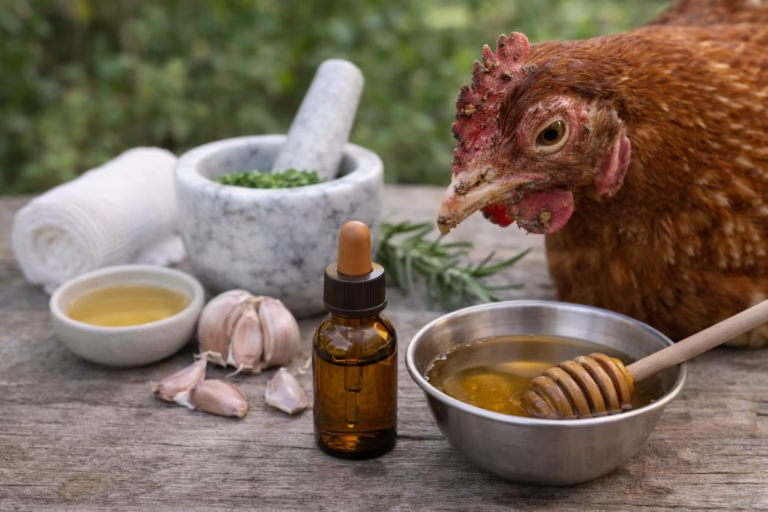
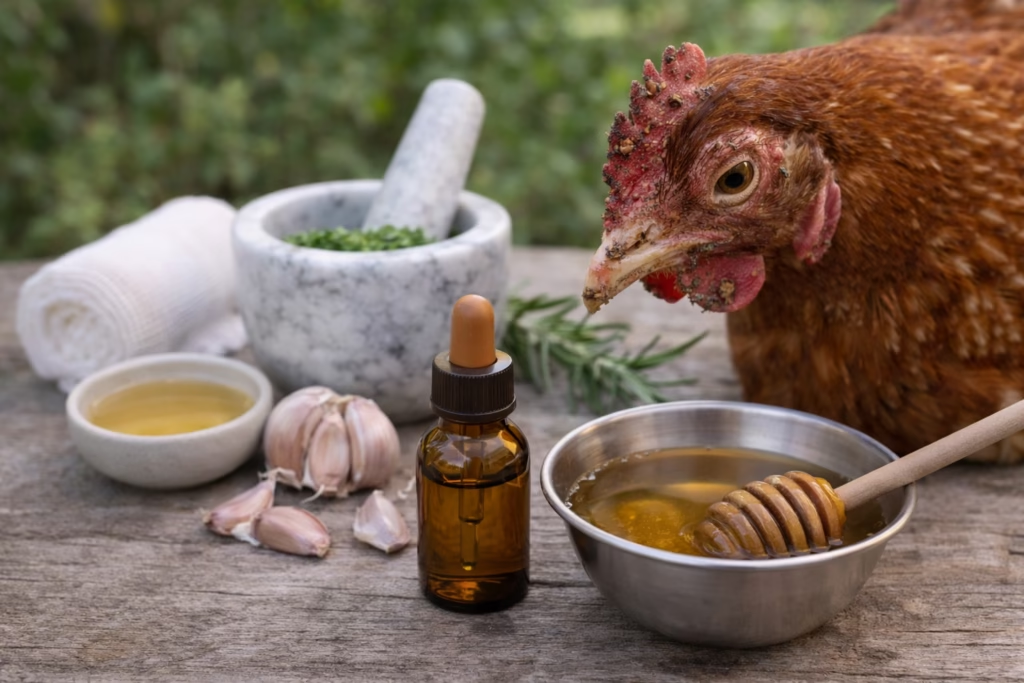
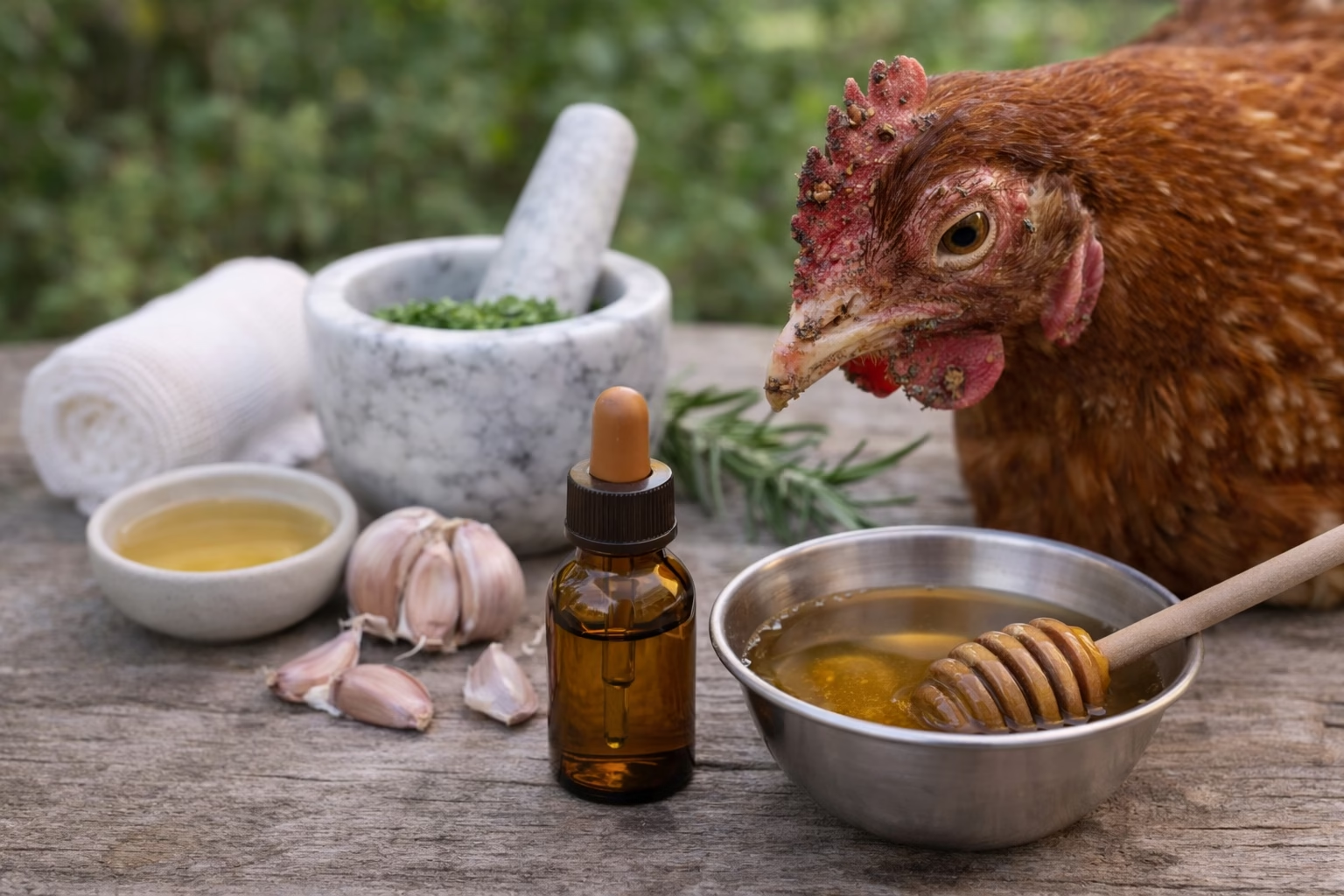
This is the more common and less severe form. It appears as small, wart like scabs or lesions on unfeathered areas such as the comb, wattles, eyelids, and around the beak. These lesions may start as small bumps and gradually darken and harden into scabs. Although unsightly, dry pox usually resolves without causing death if the bird remains otherwise healthy.
Wet pox (diphtheritic form):
This form is more serious. Lesions develop inside the mouth, throat, and respiratory tract, forming yellowish plaques. These can interfere with breathing and swallowing, making it difficult for the bird to eat or drink. Wet pox carries a higher risk of complications and requires closer monitoring.
Related Posts:
Understanding which type is present helps determine the level of care required and whether intervention needs to be more intensive.
How It Spreads
Fowl pox spreads through several well established routes.
Mosquito transmission:
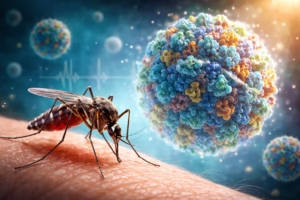
Mosquitoes are the primary carriers. When a mosquito bites an infected bird, it can carry the virus and transmit it to other chickens through subsequent bites. This explains why outbreaks are more common in warmer seasons.
Direct contact:
Chickens can contract the virus by pecking at infected birds or coming into contact with contaminated surfaces such as feeders, drinkers, or perches.
Environmental contamination:
When scabs fall off infected birds, they release viral particles into the environment. These particles can remain infectious for extended periods, making the coop a source of reinfection if not properly cleaned.
Recognizing Symptoms
Early recognition of symptoms allows for quicker isolation and supportive care, which reduces spread and improves recovery.
Visible lesions:
Dry pox typically presents as yellowish or dark scabs on the comb, wattles, or around the eyes. These lesions may grow over time and eventually fall off as the bird heals.
Respiratory difficulty:
In wet pox, birds may show labored breathing, open mouth breathing, or unusual sounds due to lesions in the throat.
Reduced appetite and lethargy:
Infected chickens may eat less, appear weak, and spend more time resting. This occurs because the immune system is actively fighting the virus.
Drop in egg production:
Stress and illness often lead to decreased egg laying, which is a common early indicator of health issues in poultry.
Each of these symptoms reflects the body’s response to infection and should prompt immediate supportive care.
Why Treat Naturally?
Natural treatment approaches focus on enhancing the bird’s own ability to recover rather than directly attacking the virus.
Reduced chemical exposure:
Avoiding synthetic medications minimizes the risk of chemical residues in eggs and meat, which is particularly important for small scale or organic poultry keepers.
Immune system support:
Natural remedies often work by strengthening immune function, helping the bird resist infection more effectively.
Gut health maintenance:
A healthy gut microbiome plays a role in immunity. Natural supplements such as probiotics and apple cider vinegar help maintain this balance.
Cost effectiveness:
Many natural treatments use readily available household or farm ingredients, making them more affordable for small flock owners.
However, natural treatment should not replace veterinary care in severe cases, particularly with wet pox or respiratory distress.
Natural Treatment Options
Boosting Immunity
A strong immune system is the primary defense against viral infections.
Vitamin C:
Adding vitamin C to drinking water helps reduce stress and supports immune function. It acts as an antioxidant and may help chickens cope better with infection.
Vitamin E and Selenium:
These nutrients work together to enhance immune response and protect cells from oxidative damage. They are particularly useful during illness when the body is under stress.
Providing these nutrients ensures that the bird has the internal resources needed to fight the infection.
Herbal Remedies
Herbal treatments can help soothe lesions and reduce the risk of secondary infections.
Aloe vera:
Fresh aloe vera gel has soothing and mild antimicrobial properties. Applying it directly to scabs helps keep the skin moist and may reduce irritation.
Neem oil:
Neem has natural antiviral and antibacterial properties. When diluted properly, it can be applied to lesions to reduce infection risk and promote healing.
Echinacea:
Echinacea is commonly used to support immune function. Offering it as a cooled tea in drinking water may help enhance the bird’s resistance to infection.
These remedies do not eliminate the virus but help the body manage its effects more effectively.
Nutritional Support
Nutrition plays a critical role in recovery.
Garlic:
Garlic is known for its antimicrobial properties. When added to drinking water, it may help support immune defense and overall health.
Apple cider vinegar:
This helps maintain gut health and may improve digestion. A balanced gut supports nutrient absorption and immune function.
Probiotics:
Probiotics restore beneficial bacteria in the digestive system, especially if the bird has reduced appetite or stress related imbalance.
Providing high quality feed with adequate protein is also essential, as protein supports tissue repair and immune activity.
Environmental Management
Reducing environmental contamination is crucial to prevent reinfection and spread.
Isolation:
Separating infected birds prevents transmission to healthy flock members. Quarantine should continue until all lesions have healed.
Coop sanitation:
Cleaning and disinfecting the coop removes viral particles. Replacing bedding and removing scabs reduces environmental load.
Mosquito control:
Eliminating standing water and using physical barriers such as mesh screens reduces mosquito breeding and transmission.
Environmental control is often the most important factor in stopping an outbreak.
Step by Step Natural Treatment Plan
A structured approach ensures consistency and effectiveness.
- Identify and isolate affected birds immediately to prevent spread.
- Clean lesions gently using warm saline to remove dirt without causing injury.
- Apply herbal treatments such as aloe vera or diluted neem oil to soothe and protect lesions.
- Provide fortified water with vitamin C, garlic, or apple cider vinegar to support internal health.
- Improve nutrition by offering high quality feed and adding probiotics.
- Maintain strict hygiene by cleaning the coop regularly and replacing bedding.
- Monitor progress daily, observing appetite, activity level, and lesion healing.
Each step addresses a different aspect of the disease, from reducing viral load to supporting recovery.
Prevention Tips
Preventing fowl pox is more effective than treating it.
Vaccination:
Even among those who prefer natural care, vaccination is often considered a practical preventive measure, especially in areas where fowl pox is common.
Mosquito control:
Reducing mosquito populations significantly lowers infection risk, as they are the primary transmission vector.
Biosecurity:
Limiting exposure to new birds, disinfecting equipment, and controlling visitor access reduces the chance of introducing the virus.
Balanced diet:
A well nourished flock is more resistant to infection and recovers faster if exposed.
Prevention strategies protect both individual birds and the entire flock.
Conclusion
Treating fowl pox in chickens naturally requires a comprehensive approach that combines immune support, herbal care, proper nutrition, and environmental management. While the virus itself cannot be eliminated directly, these methods help reduce symptoms, prevent complications, and support the bird’s natural recovery process.
Consistency is essential. Regular monitoring, proper hygiene, and sustained nutritional support will improve outcomes and reduce the likelihood of future outbreaks. With careful management and attention to detail, chickens can recover from fowl pox and continue to thrive without reliance on harsh chemical treatments.