
How to Treat Fin Rot Betta: A Step-by-Step Guide to Restoring Your Fish’s Health
Introduction
Fin rot is one of the most common health problems in betta fish, and left untreated it can quickly become life-threatening. Whether you’re a seasoned hobbyist or new to the betta world, seeing your fish’s fins fray or rot away is alarming. The good news? With proper diagnosis, prompt treatment, and diligent tank care, you can reverse the damage and help your betta regain vibrant, healthy fins. In this post, we’ll dive into the causes, symptoms, treatment steps, and prevention tips you need to know to beat fin rot once and for all.
Understanding Fin Rot in Bettas
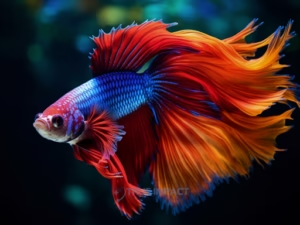
Fin rot is a bacterial (sometimes fungal) infection that attacks the delicate fin tissue of your betta. It often starts at the tips of the fins and works its way inward, leading to ragged edges, discoloration, and, in severe cases, complete fin loss. Puppies of poor water quality, stress, or minor injuries, fin rot bacteria (typically Pseudomonas or Aeromonas species) opportunistically invade weakened tissue and accelerate the breakdown process.
Identifying the Symptoms
Early recognition is key. Look for these warning signs:
• Frayed or ragged fin edges
• White or red streaks along the fins (indicates inflammation)
• Darkened or discolored fin tips
• Sluggish swimming or hiding more often
• Loss of appetite (in advanced stages)
If you catch these symptoms early, treatment is faster and more effective.
Common Causes of Fin Rot
Several tank conditions and husbandry mistakes can open the door to fin rot:
• Poor water quality (high ammonia, nitrite, or nitrate levels)
• Irregular water changes
• Overcrowded or unfiltered tanks
• Aggressive tankmates fin-nipping your betta
• Sudden temperature fluctuations
• Stress from moving, shipping, or new decor
Step-By-Step Treatment Plan
Use this treatment roadmap to give your betta the best chance at recovery.
- Quarantine the Sick Betta
• Prepare a separate tank (5–10 gallons) with a gentle sponge filter
• Match temperature (76–82°F) and pH (6.5–7.5) to the main tank
• Quarantine reduces stress and prevents spread to other fish - Perform Immediate Water Changes
• Remove 25–50% of tank water daily in both quarantine and main tanks
• Test water parameters: keep ammonia and nitrite at 0 ppm; nitrates < 20 ppm
• Use a quality water conditioner to neutralize chlorine and heavy metals - Add Fin-Rot Medications
Over-the-counter treatments can speed recovery:
• Broad-spectrum antibacterial (e.g., API Melafix, Seachem Kanaplex)
• Optional antifungal (if you see fuzzy white growth)
• Follow manufacturer dosing instructions carefully
• Monitor for signs of stress, some medications can harshen water parameters - Incorporate Aquarium Salt (Optional)
• Add 1 teaspoon of aquarium salt per gallon of water
• Salt helps reduce stress, supports slime coat, and inhibits bacteria
• Replenish salt dose after each water change - Improve Diet and Nutrition
• Offer high-quality, protein-rich betta pellets or frozen foods (bloodworms, brine shrimp)
• Feed small portions 1–2 times daily to boost the immune system
• Remove uneaten food promptly to avoid ammonia spikes - Maintain Optimal Tank Conditions
• Stable temperature: 78°F is ideal for most bettas
• Gentle filtration, avoid strong currents that tear fins
• Regular maintenance: weekly 25% water changes and gravel vacuuming
• Monitor water parameters with a reliable test kit - Monitor Progress
• Expect to see new fin growth in 7–14 days if treatment is effective
• Continue medication until at least three days after symptoms subside
• If there’s no improvement after 2 weeks, consider switching antibacterial treatments or consulting an aquatic vet
Preventing Future Outbreaks
An ounce of prevention is worth a pound of cure. Follow these best practices to keep fin rot at bay:
• Consistent Water Quality
– Test weekly for ammonia, nitrite, nitrate, and pH
– Perform regular partial water changes (25–30% weekly)
• Proper Tank Setup
– Provide at least a 5-gallon tank with a heater and gentle filter
– Decorate with silk or smooth plastic plants, avoid sharp edges
• Avoid Overcrowding
– Keep only one male betta per tank
– Research compatible tankmates to prevent fin-nipping
• Stress Reduction
– Acclimate new fish/items slowly
– Maintain stable lighting and day/night cycles
– Feed a varied diet to support immune health
Conclusion
Fin rot in betta fish can be distressing, but it’s highly treatable when you act quickly and follow a structured plan. By quarantining your fish, maintaining pristine water quality, using the right medications, and bolstering your betta’s diet, you’ll promote rapid fin regeneration and restore your fish’s vibrant beauty. Remember, prevention through diligent tank care is your best defense against fin rot. Stay proactive, monitor your betta’s environment, and enjoy a healthy, flourishing pet for years to come.
Ready to give your betta the care it deserves? Start your treatment routine today, and watch those fins grow back stronger than ever!