Introduction
A sprained toe might sound like a minor inconvenience, but it can quickly disrupt your daily routine, from walking the dog to hitting the gym. Properly treating a sprained toe matters, not only to relieve pain but also to prevent long-term stiffness or instability. In this post, we’ll walk you through everything you need to know about how to treat a sprained toe effectively, including immediate first-aid steps, at-home care tips, and when to consult a medical professional. Let’s get started!
1. Understanding Toe Sprains
What Is a Toe Sprain?
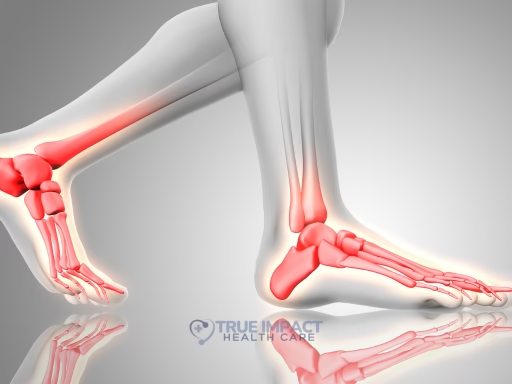
• A toe sprain occurs when the ligaments that connect toe bones stretch or tear.
• Common causes include stubbing your toe, dropping a heavy object on it, or twisting it awkwardly.
Sprain Grades
• Grade I (Mild): Ligaments are stretched but not torn; mild pain and swelling.
• Grade II (Moderate): Partial tear; noticeable swelling, bruising, and difficulty bearing weight.
• Grade III (Severe): Complete tear; intense pain, major swelling, and inability to move the toe.
2. Recognizing the Symptoms
Spotting a sprained toe early speeds up recovery. Look out for:
• Sharp pain at the time of injury
• Swelling and bruising around the toe joint
• Tenderness when touching or pressing
• Difficulty walking or putting weight on the foot
• Limited range of motion
3. Immediate First-Aid: RICE Method
The RICE protocol is the gold standard for initial sprain care. Apply it as soon as possible—ideally within the first 24 to 48 hours.
• Rest
– Avoid activities that stress the injured toe.
– Use crutches or a walking aid if necessary to prevent bearing weight.
• Ice
– Apply an ice pack wrapped in a thin towel for 15–20 minutes every 2–3 hours.
– Ice helps reduce swelling and numbs pain.
• Compression
– Gently wrap the toe with an elastic bandage or use a foam tube to stabilize it.
– Ensure the wrap is snug but not so tight that it cuts off circulation.
• Elevation
– Prop your foot up on pillows, keeping the injured toe above heart level.
– Elevation minimizes swelling by improving fluid drainage.
4. At-Home Care and Rehabilitation
Once you’ve completed the initial RICE steps, focus on gentle rehabilitation to restore movement and strength.
Pain Management
• Over-the-counter (OTC) NSAIDs such as ibuprofen can ease discomfort and inflammation.
• Always follow dosage instructions on the label or as advised by your pharmacist or doctor.
Buddy Taping
• Tape the injured toe to the adjacent healthy toe (“the buddy system”) for added support.
• Place cotton or gauze between toes to prevent skin irritation.
• Change the tape daily to keep the area clean and monitor for swelling.
Footwear Recommendations
• Wear stiff-soled shoes or a rigid sandal to limit toe motion and protect the injury.
• Avoid high heels, flip-flops, or tight-fitting shoes that may aggravate the sprain.
5. Gentle Range-of-Motion Exercises
Begin these exercises once severe pain subsides (typically after 3–5 days):
- Toe Bends
– Sit with your foot flat; gently bend your big toe upward and downward.
– Repeat 10–15 times, 2–3 times daily. - Towel Scrunches
– Place a small towel on the floor; use your toes to scrunch it toward you.
– Do 2–3 sets of 8–10 scrunches. - Marble Pick-Up
– Scatter a few marbles on the floor and use your toes to pick them up and drop them into a cup.
6. When to Seek Medical Attention
Most mild to moderate toe sprains respond well to at-home care. However, see a healthcare provider if you experience:
• Severe or worsening pain that doesn’t improve with RICE and OTC meds
• Noticeable deformity or misalignment of the toe
• Numbness, tingling, or persistent coldness in the toe
• Inability to bear any weight after 48 hours
• Signs of infection (red streaks, increased warmth, fever)
Your doctor may order an X-ray to rule out a fracture or recommend physical therapy for advanced rehabilitation.
7. Prevention Tips
Preventing a toe sprain is all about awareness and good foot care:
• Wear supportive, well-fitting shoes, especially during sports or heavy lifting.
• Warm up properly before physical activities to increase ligament flexibility.
• Keep walkways clear of clutter and install adequate lighting to reduce stubbing risks.
• Incorporate foot-strengthening exercises, such as calf raises and balance drills, into your routine.
Conclusion
A sprained toe can be painful and inconvenient, but with prompt treatment and consistent care, you can get back on your feet quickly. Remember the RICE method for immediate relief, follow up with at-home rehabilitation exercises, and don’t hesitate to consult a professional if symptoms persist or worsen. By staying proactive and patient, you’ll ensure a smoother, faster recovery. Take care of your toes today, and they’ll support you tomorrow!