A well‑stocked pantry is your kitchen’s backbone, transforming stressed, last‑minute meal prep into effortless, satisfying dishes. With the right ingredients on hand, you can toss together balanced meals in minutes, reduce food waste, and save money by avoiding frequent takeout. This comprehensive guide breaks down what to stock, how to organize it, and meal ideas you can make anytime.
Why a Smart Pantry Matters
A strategic pantry:
-
Cuts meal prep time dramatically
-
Reduces the need for frequent grocery runs
-
Helps you eat more nutritiously
-
Supports budget‑friendly cooking
-
Allows flexibility for diverse eating styles (vegetarian, omnivore, gluten‑free, etc.)
Pantry Essentials: The Core Categories
To build a versatile pantry, think in building blocks: bases (grains, pastas), proteins, flavor enhancers, and long‑lasting produce.
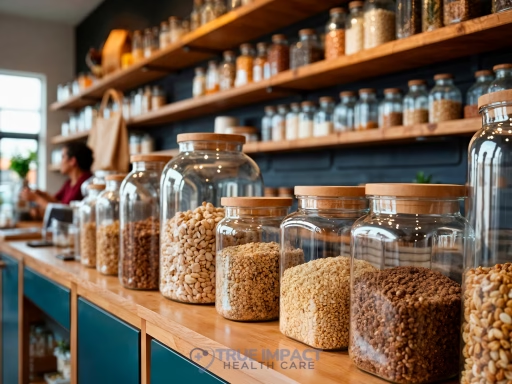
1. Grains & Starches: The Foundation
Stocking slow‑spoiling grains means you can always build a meal’s base.
Key Picks
-
Rice: White (long grain/jasmine), brown, basmati
-
Pasta & Noodles: Spaghetti, penne, soba, rice noodles
-
Quinoa and Couscous: Quick‑cooking and nutritious
-
Oats: Rolled or steel‑cut for breakfasts, porridges, or baking
-
Flour & Cornmeal: All‑purpose, whole wheat, and cornmeal for baking and thickening
Why It’s Useful:
Grains pair easily with proteins and veggies for bowls, stir‑fries, soups, and casseroles.
2. Canned & Jarred Goods: Ready When You Are
Canned foods are shelf‑stable, affordable, and essential for quick meals.
Proteins
-
Beans & Legumes: Black beans, chickpeas, kidney beans
-
Tuna & Salmon: Packed in water or olive oil
-
Canned Chicken: Versatile for salads, soups, tacos
Veggies & Fruits
-
Tomatoes: Diced, crushed, sauce, or paste
-
Corn & Peas: Great add‑ins for sides and mains
-
Fruit Cups: In juice, not syrup for quick breakfasts/desserts
Other Canned Items
-
Coconut Milk: Creamy base for curries and soups
-
Broth/Stock: Chicken, beef, or vegetable
-
Olives & Artichokes: Instant flavor boosters
How to Use:
Combine beans, tomatoes, and broth for a quick chili. Stir tuna into pasta with olive oil and herbs for a 15‑minute meal.
3. Dry Proteins & Specialty Items
These items last long and are essential protein sources.
Essentials
-
Lentils: Red, green, and brown; cook fast without soaking
-
Split Peas: Hearty bases for soups
-
Dried Beans: Great value (soak ahead or use pressure cooker)
-
Textured Vegetable Protein (TVP): Meat‑like texture for vegetarian dishes
Why These Matter:
Dry proteins are inexpensive, nutritious, and easy to keep on hand for stews, curries, and protein bowls.
4. Baking & Thickening Agents
These allow quick sauces, batters, and mix‑ins.
Staples
-
Baking Powder & Soda
-
Cornstarch & Arrowroot: For gravy and sauce thickening
-
Yeast: For quick breads and pizza dough
-
Breadcrumbs / Panko: For crisp toppings
5. Oils, Fats & Condiments
Fats carry flavor and make food satisfying.
Cooking Fats
-
Olive Oil: Everyday cooking
-
Neutral Oil (canola, avocado): High‑heat searing
-
Sesame Oil: Flavor enhancer for Asian dishes
Condiments & Sauces
-
Soy Sauce / Tamari
-
Hot Sauce / Sriracha
-
Mustard, Ketchup, BBQ Sauce
-
Vinegars: Balsamic, red wine, apple cider
-
Nut Butters: Peanut, almond
How They Help:
Soy sauce and vinegar create instant stir‑fry sauces; mustard and mayo dress up sandwiches in seconds.
6. Herbs & Spices: The Flavor Arsenal
Seasonings transform basic ingredients into craveable meals.
Core Spices
-
Salt & Black Pepper
-
Paprika (smoked and sweet)
-
Cumin, Chili Powder
-
Garlic & Onion Powder
-
Dried Oregano & Basil
-
Turmeric & Curry Powder
Herb Enhancers
-
Bay Leaves: Soups and stews
-
Red Pepper Flakes: Heat on demand
Tips:
Replace missing fresh herbs with dried equivalents (1 tsp dried = ~1 tbsp fresh).
7. Refrigerated and Freezer Add‑Ins
A pantry isn’t just shelves! Freezer and fridge staples extend meal options.
Refrigerator Staples
-
Eggs
-
Butter or Margarine
-
Hard cheeses (Parmesan, cheddar)
-
Yogurt (plain or Greek)
Freezer Staples
-
Frozen Vegetables & Fruits
-
Frozen Shrimp or Fish Fillets
-
Ground Meat or Meatless Crumbles
-
Bread (freeze and toast later)
Why These Matter:
Frozen veggies are just as nutritious as fresh and make meal prep instant.
How to Organize Your Pantry for Maximum Efficiency
1. Group Like With Like
Keep grains together, beans together, spices in one area.
2. First‑In, First‑Out (FIFO)
Place newer items behind older ones to reduce waste.
3. Label Everything
Clear containers and labels save time and prevent mystery jars.
4. Use Clear Storage Bins
Group similar items (e.g., “Italian Night,” “Breakfast Basics”).
Quick Meals You Can Make in Minutes
Here are real examples you can assemble quickly with pantry staples:
• 15‑Minute Chickpea Curry
-
Sauté onion and garlic in oil
-
Add curry powder, canned chickpeas, coconut milk, and tomatoes
-
Simmer 10 minutes; serve over rice
• Tuna Pasta Toss
-
Cook pasta
-
Toss with olive oil, tuna, capers, pepper flakes, and parsley
• Instant Bean Soup
-
Combine broth, canned beans, diced tomatoes, and frozen veggies
-
Simmer 8–10 minutes, season to taste
• Stir‑Fry Bowls
-
Cook rice
-
Stir‑fry frozen veggies with soy sauce and sesame oil
-
Top with scrambled egg or tofu
• Rice & Beans Meal Bowl
-
Cook rice
-
Mix with black beans, corn, salsa, and avocado
Tips for Meal‑Prep Efficiency
Double Up Recipes: Make extra and refrigerate or freeze portions.
Batch Cook Grains: Cook rice/quinoa early in the week.
Mise en Place: Chop veggies and measure spices ahead of time.
Create Theme Nights: Mexican, Italian, Asian nights streamline shopping and cooking.
Special Diet Adjustments
Vegetarian/Vegan: Focus on legumes, tofu/TVP, quinoa.
Gluten‑Free: Stock rice, gluten‑free pasta, certified oats.
Low‑Sodium: Buy low‑salt broths and rinse canned beans.
Troubleshooting Pantry Challenges
Item not available? Swap similar ingredients (e.g., quinoa for rice).
Spices stale? Replace every 6–12 months for best flavor.
Condiments overwhelming shelf? Pare down to essentials you use weekly.
Final Thoughts
A well‑stocked pantry empowers you to make nutritious, delicious meals quickly, with minimal stress, even on busy days. With smart essentials and a bit of organization, dinner can go from “What’s for tonight?” to “Done in 15 minutes!”