Mumps: Causes, Symptoms, Treatment, and Prevention
Mumps is a contagious viral infection best known for causing painful swelling of the salivary glands, particularly the parotid glands located near the jawline. Before widespread vaccination, mumps was a common childhood illness. Today, thanks to immunization programs, cases are far less frequent—but outbreaks can still occur, especially in under-vaccinated communities.
Although many cases are mild, mumps can sometimes lead to serious complications. Understanding its causes, symptoms, treatment, and prevention strategies is essential for protecting both individual and public health.
Overview / Definition
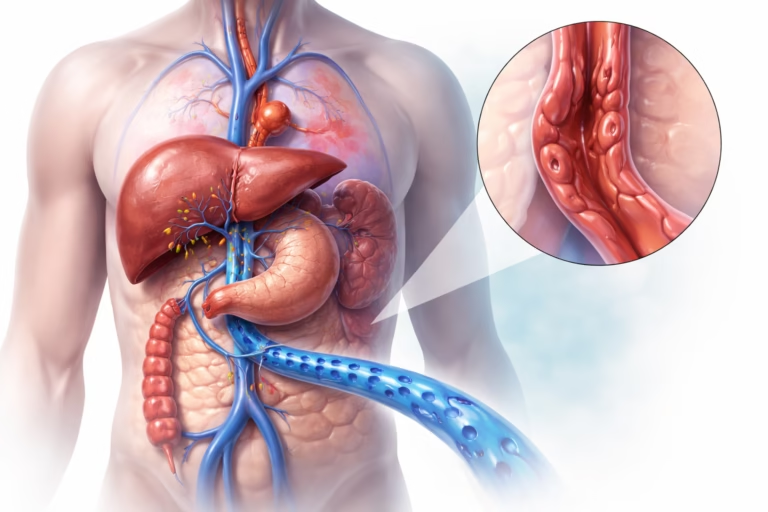
Mumps is an acute viral illness caused by the mumps virus, a member of the Paramyxoviridae family. It primarily affects the salivary glands but can also involve other organs, including:
- The testes
- Ovaries
- Pancreas
- Brain and its surrounding tissues (meninges)
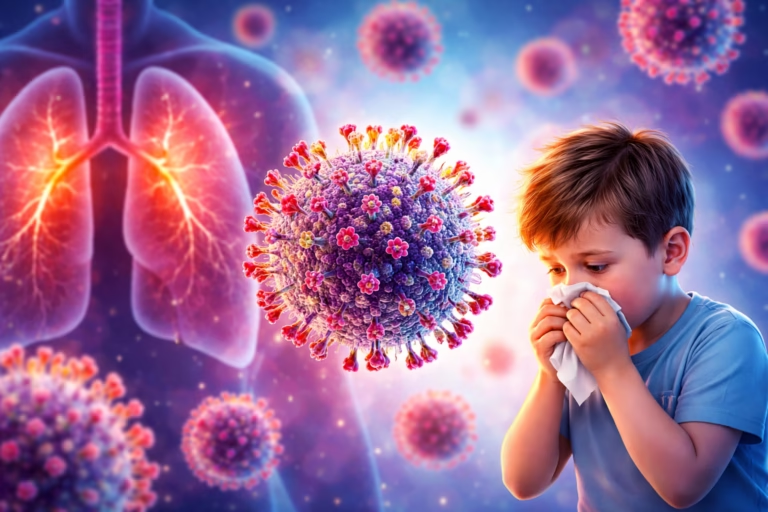
The infection spreads from person to person through respiratory droplets, saliva, or close contact. While it most often affects children and adolescents, unvaccinated adults are also at risk.
Causes and Risk Factors
Cause
Mumps is caused by the mumps virus, which spreads through:
- Respiratory droplets (coughing, sneezing)
- Close personal contact
- Sharing utensils or drinks
- Touching contaminated surfaces and then touching the mouth or nose
The virus has an incubation period of approximately 16–18 days (range 12–25 days). An infected person can spread the virus several days before and after gland swelling appears.
Risk Factors
Certain factors increase the likelihood of acquiring mumps:
- Lack of vaccination (no MMR vaccine)
- Living in close-contact settings (schools, colleges, military barracks)
- International travel to areas with ongoing outbreaks
- Weakened immune system
Outbreaks are more common in crowded environments where prolonged close contact occurs.
Symptoms and Clinical Presentation
Not everyone infected with mumps shows symptoms. In fact, some individuals may have mild or no symptoms at all. When symptoms occur, they typically appear about 2–3 weeks after exposure.
Common Symptoms
- Swelling and tenderness of one or both parotid glands (puffy cheeks, swollen jaw)
- Fever
- Headache
- Fatigue
- Muscle aches
- Loss of appetite
The hallmark feature of mumps is parotitis, or inflammation of the salivary glands, which causes facial puffiness and discomfort during chewing or swallowing.
Possible Complications
Although rare in vaccinated individuals, complications can occur:
- Orchitis (inflammation of the testes) in post-pubertal males
- May cause pain and swelling
- Rarely affects fertility
- Oophoritis (inflammation of the ovaries)
- Pancreatitis
- Meningitis (inflammation of the membranes around the brain and spinal cord)
- Encephalitis (inflammation of the brain)
- Hearing loss (usually temporary, rarely permanent)
Complications are more common in adolescents and adults than in young children.
Diagnosis and Screening
Clinical Diagnosis
Healthcare providers often suspect mumps based on:
- Characteristic salivary gland swelling
- Fever and other associated symptoms
- Recent exposure history
Laboratory Testing
To confirm the diagnosis, clinicians may use:
- PCR testing (polymerase chain reaction) from a buccal (cheek) swab
- Blood tests to detect mumps-specific antibodies (IgM)
- Viral culture (less commonly used)
If complications are suspected, additional imaging or laboratory studies (e.g., spinal fluid analysis for meningitis) may be necessary.
There is no routine screening test for mumps in asymptomatic individuals.
Treatment and Management Options
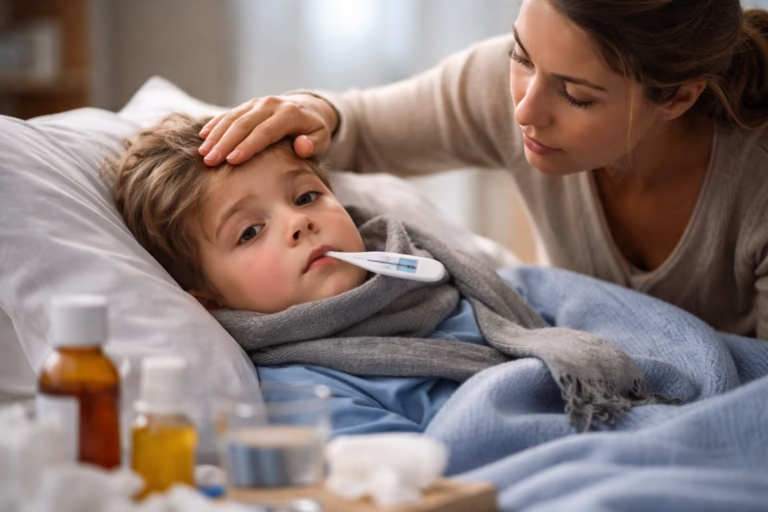
There is no specific antiviral treatment for mumps. Management focuses on supportive care to relieve symptoms.
Supportive Treatment Includes:
- Rest
- Adequate hydration
- Over-the-counter pain relievers and fever reducers (e.g., acetaminophen or ibuprofen)
- Applying cold or warm compresses to swollen glands
- Eating soft foods to minimize chewing discomfort
- Avoiding acidic foods that stimulate saliva production and worsen pain
Isolation Measures
Infected individuals should:
- Stay home for at least 5 days after the onset of gland swelling
- Avoid close contact with others
- Practice good hand hygiene
Hospitalization is uncommon but may be required for severe complications.
Prevention and Lifestyle Considerations
Vaccination: The Most Effective Protection
The MMR vaccine (measles, mumps, rubella) is highly effective in preventing mumps.
Standard schedule:
- First dose at 12–15 months of age
- Second dose at 4–6 years of age
Two doses are significantly more effective than one, but no vaccine is 100% protective. Even so, vaccinated individuals who develop mumps generally experience milder disease.
Additional Prevention Strategies
- Avoid close contact with infected individuals
- Practice regular handwashing
- Cover coughs and sneezes
- Do not share drinks, utensils, or personal items
High vaccination coverage in communities helps prevent outbreaks through herd immunity.
Conclusion
Mumps is a contagious viral infection that primarily affects the salivary glands but can sometimes lead to serious complications, especially in adolescents and adults. While there is no specific antiviral cure, supportive care is usually sufficient for recovery.
The most reliable way to prevent mumps is through timely vaccination with the MMR vaccine. Maintaining high immunization rates remains essential to preventing outbreaks and protecting vulnerable populations.
Disclaimer
This article is intended for educational purposes only and does not replace professional medical advice. If you suspect mumps or experience concerning symptoms, please consult a qualified healthcare professional for proper evaluation and guidance.