Head & Neck Cancer
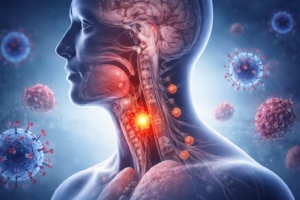
Head and neck cancer refers to a group of cancers that develop in or around the throat, larynx (voice box), nose, sinuses, and mouth. Though less commonly discussed than other cancers, head and neck cancers represent a significant global health concern. Early detection and timely treatment greatly improve outcomes, making awareness and understanding critically important.
This article provides a detailed, evidence-based overview of head and neck cancer, including risk factors, symptoms, diagnosis, treatment options, and preventive strategies.
Overview / Definition
Head and neck cancers primarily arise from the squamous cells that line the moist surfaces inside the head and neck (such as the mouth, nose, and throat). These are known as squamous cell carcinomas.
Common types of head and neck cancer include:
- Oral cavity cancer (lips, tongue, gums, inner cheek, floor/roof of mouth)
- Pharyngeal cancer (throat)
- Nasopharynx (upper throat behind the nose)
- Oropharynx (middle throat, including tonsils and base of tongue)
- Hypopharynx (lower throat)
- Laryngeal cancer (voice box)
- Nasal cavity and paranasal sinus cancer
- Salivary gland cancer (less common and biologically distinct)
These cancers can affect essential functions such as breathing, speaking, swallowing, taste, and appearance. Early-stage cancers are often highly treatable, while advanced disease may require complex therapy.
Causes and Risk Factors
Head and neck cancers are strongly associated with environmental and lifestyle factors. Major risk factors include:
1. Tobacco Use
- Cigarette smoking
- Cigars and pipes
- Smokeless tobacco (chewing tobacco, snuff)
Tobacco is the single most important risk factor. The longer and heavier the use, the higher the risk.
2. Alcohol Consumption
Heavy alcohol use significantly increases risk. When combined with tobacco, the effect is synergistic, meaning the combined risk is much greater than either risk alone.
3. Human Papillomavirus (HPV)
- Particularly HPV type 16
- Strongly associated with cancers of the oropharynx (tonsils and base of tongue)
HPV-related head and neck cancers are increasingly common and often affect younger individuals without traditional risk factors like smoking.
4. Epstein-Barr Virus (EBV)
- Associated with nasopharyngeal cancer
5. Environmental and Occupational Exposures
- Wood dust
- Formaldehyde
- Asbestos
- Nickel or chromium exposure
6. Other Contributing Factors
- Poor oral hygiene
- Prolonged sun exposure (lip cancer)
- Weakened immune system
- Family history of certain cancers
Symptoms or Clinical Presentation
Symptoms depend on the tumor’s location. Early signs may be subtle and often painless, which can delay diagnosis.
Common symptoms include:
Oral Cavity Cancer
- A persistent sore in the mouth that does not heal
- White or red patches inside the mouth
- Difficulty chewing or swallowing
- Loose teeth or jaw pain
Throat (Pharyngeal) Cancer
- Persistent sore throat
- Difficulty swallowing
- A sensation of something stuck in the throat
- Ear pain (referred pain)
Laryngeal Cancer
- Hoarseness lasting more than 2–3 weeks
- Voice changes
- Difficulty breathing (in advanced cases)
Nasal or Sinus Cancer
- Nasal obstruction
- Nosebleeds
- Facial swelling or pain
General Warning Signs
- A lump in the neck
- Unexplained weight loss
- Persistent fatigue
Any symptom lasting more than two weeks should be evaluated by a healthcare professional.
Diagnosis and Screening
Clinical Evaluation
Diagnosis begins with:
- A thorough medical history
- Physical examination of the mouth and throat
- Palpation of the neck to assess lymph nodes
Diagnostic Procedures
- Endoscopy: Flexible camera to visualize deeper areas
- Biopsy: Essential for confirming cancer
- Imaging studies:
- CT scan
- MRI
- PET scan (to assess spread)
Staging
Once cancer is confirmed, it is staged (Stage I to IV) based on:
- Tumor size
- Lymph node involvement
- Presence of distant metastasis
Staging guides treatment decisions and helps determine prognosis.
Screening
There is no widespread population screening program for head and neck cancer. However:
- Routine dental exams can detect early oral cancer
- High-risk individuals (heavy smokers, drinkers, HPV-positive individuals) should have regular evaluations
Treatment and Management Options
Treatment depends on:
- Cancer type and location
- Stage of disease
- HPV status (in certain cancers)
- Patient’s overall health
1. Surgery
- Removal of the tumor and possibly affected lymph nodes
- May involve reconstructive procedures
2. Radiation Therapy
- Often used alone in early-stage disease
- Combined with chemotherapy in more advanced stages
3. Chemotherapy
- Often used with radiation (chemoradiation)
- May also be used for metastatic or recurrent disease
4. Targeted Therapy
- Drugs such as cetuximab target specific cancer cell proteins
5. Immunotherapy
- Agents such as immune checkpoint inhibitors (e.g., pembrolizumab, nivolumab)
- Used in advanced or recurrent cases
Rehabilitation and Supportive Care
Because these cancers affect vital functions, supportive care is crucial:
- Speech therapy
- Swallowing therapy
- Nutritional support
- Pain management
- Psychological counseling
Multidisciplinary care greatly improves outcomes and quality of life.
Prevention and Lifestyle Considerations
Many head and neck cancers are preventable.
Key Preventive Measures:
- ✅ Avoid tobacco in all forms
- ✅ Limit alcohol consumption
- ✅ Receive HPV vaccination (recommended for adolescents and young adults)
- ✅ Practice safe sexual behaviors to reduce HPV transmission
- ✅ Maintain good oral hygiene
- ✅ Use lip sunscreen to reduce sun-related lip cancers
- ✅ Attend routine dental and medical check-ups
HPV vaccination is a particularly powerful preventive tool and has shown effectiveness in reducing HPV-related cancers.
Prognosis
Prognosis depends on:
- Cancer stage
- Tumor location
- HPV status (HPV-positive oropharyngeal cancers generally have better outcomes)
- Overall health and response to treatment
Early-stage cancers have significantly higher survival rates compared to advanced-stage disease, emphasizing the importance of early detection.
Conclusion
Head and neck cancer encompasses a diverse group of cancers that affect critical structures involved in speech, breathing, and swallowing. Strongly linked to tobacco, alcohol use, and HPV infection, many cases are preventable through lifestyle changes and vaccination. Early recognition of symptoms—such as persistent mouth sores, hoarseness, or neck lumps—can dramatically improve treatment success.
Advances in surgery, radiation, chemotherapy, targeted therapy, and immunotherapy continue to improve survival and quality of life. Public awareness, early diagnosis, and multidisciplinary care remain essential in reducing the burden of this disease.
Disclaimer
This article is intended for educational and informational purposes only and does not constitute medical advice. If you experience concerning symptoms or have questions about head and neck cancer, please consult a qualified healthcare professional for proper evaluation and individualized care.