Eye Health: Protecting Your Vision for Life
Our eyes play a vital role in how we experience the world, yet eye health is often taken for granted until problems arise. Good vision supports daily activities such as reading, driving, working, and social interaction, and eye conditions can significantly affect quality of life. Understanding how to protect eye health, recognize potential problems early, and seek appropriate care is essential at every stage of life.
This article provides an overview of eye health, including common risk factors, symptoms of eye conditions, approaches to diagnosis, management options, and practical prevention strategies, all presented in clear, evidence-based terms.
Overview: What Is Eye Health?
Eye health refers to the overall well-being and proper functioning of the eyes and visual system. Healthy eyes allow light to be focused accurately on the retina, where visual information is processed and sent to the brain. Eye health encompasses:
- Vision quality (clarity, sharpness, and comfort)
- Structural integrity of the eye (cornea, lens, retina, optic nerve)
- Proper eye movement and coordination
- Protection from disease, injury, and age-related changes
Eye health is influenced by genetics, aging, lifestyle habits, environmental exposure, and systemic health conditions.
Causes and Risk Factors for Eye Problems
Many eye conditions develop gradually and may be influenced by a combination of factors. Common risk factors include:
- Age: Increased risk of cataracts, glaucoma, and macular degeneration
- Genetics: Family history of eye diseases
- Chronic medical conditions:
- Diabetes (diabetic retinopathy)
- High blood pressure
- Environmental factors:
- Excessive ultraviolet (UV) light exposure
- Air pollution or eye irritants
- Lifestyle factors:
- Smoking
- Poor nutrition
- Prolonged screen use without breaks
- Eye strain or injury:
- Inadequate protective eyewear
- Occupational hazards
Understanding these risks can help guide prevention and screening efforts.
Symptoms and Clinical Presentation
Eye conditions may present with a wide range of symptoms. Some develop gradually and painlessly, while others appear suddenly. Common warning signs include:
- Blurred or double vision
- Difficulty seeing at night or in low light
- Eye pain, pressure, or discomfort
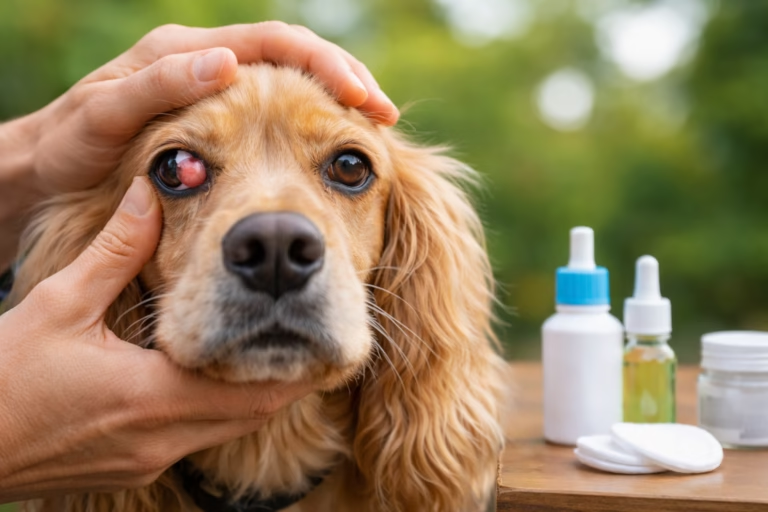
- Redness or excessive tearing
- Sensitivity to light
- Headaches related to vision use
- Floaters, flashes of light, or shadows in vision
- Gradual loss of peripheral or central vision
Because some serious eye diseases may cause few symptoms early on, routine eye examinations are important even in the absence of noticeable problems.
Diagnosis and Screening
Eye conditions are typically identified through comprehensive eye examinations performed by qualified eye care professionals. These assessments may include:
- Visual acuity testing (clarity of vision)
- Refraction tests to identify the need for glasses or contact lenses
- Eye pressure measurement (important for detecting glaucoma)
- Dilated eye exams to evaluate the retina and optic nerve
- Imaging tests such as optical coherence tomography (OCT) when needed
Regular eye exams help detect conditions at early, more treatable stages and monitor existing eye issues over time.
Treatment and Management Options
Treatment for eye conditions depends on the specific diagnosis and its severity. Management strategies may include:
- Corrective lenses (glasses or contact lenses)
- Medications:
- Eye drops for glaucoma or inflammation
- Antibiotics or antivirals for infections
- Laser treatments for certain retinal or pressure-related conditions
- Surgical procedures such as cataract removal
- Vision rehabilitation for chronic or irreversible vision loss
Many eye diseases can be managed effectively when diagnosed early, helping preserve vision and comfort.
Prevention and Lifestyle Considerations
While not all eye conditions can be prevented, healthy habits can significantly reduce risk and support lifelong eye health.
Practical eye health tips:
- Have routine eye examinations as recommended
- Wear sunglasses that block UV radiation
- Use protective eyewear during sports or hazardous work
- Follow the 20-20-20 rule for screen use:
- Every 20 minutes, look at something 20 feet away for 20 seconds
- Eat a balanced diet rich in:
- Leafy green vegetables
- Omega-3 fatty acids
- Vitamins A, C, and E
- Avoid smoking
- Manage chronic conditions such as diabetes and high blood pressure
Consistent preventive care plays a crucial role in maintaining good vision over time.
Conclusion: Caring for Your Eyes Matters
Eye health is an essential component of overall well-being and deserves lifelong attention. By understanding common risk factors, recognizing warning signs, and prioritizing routine eye care, individuals can protect their vision and reduce the impact of many eye conditions. Healthy lifestyle choices and timely professional evaluation are key to preserving sight and eye comfort at any age.
Medical Disclaimer
This article is intended for educational purposes only and does not replace professional medical advice. For concerns about vision or eye health, consult a qualified eye care professional or healthcare provider for appropriate evaluation and guidance.