Esophageal Cancer
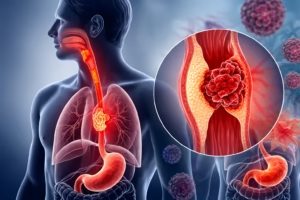
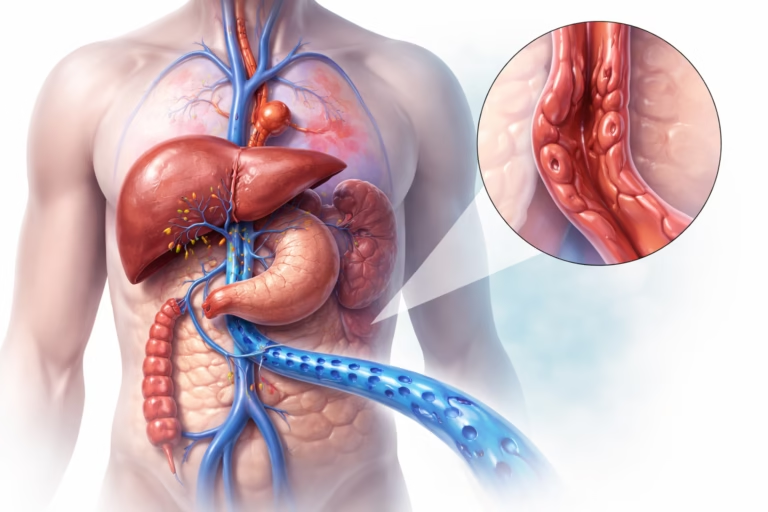
Esophageal cancer is a serious malignancy that develops in the esophagus, the muscular tube that carries food and liquids from the mouth to the stomach. Although relatively less common than some other cancers, esophageal cancer is often aggressive and may be diagnosed at an advanced stage. Understanding its causes, symptoms, and available treatment options is essential for early recognition and informed decision-making. This article provides an evidence-based, easy-to-understand overview of esophageal cancer aimed at educating readers without medical training.
Overview / Definition
Esophageal cancer occurs when cells lining the esophagus grow uncontrollably and form a tumor. Over time, these cancerous cells can invade nearby tissues and spread (metastasize) to other parts of the body, such as lymph nodes, lungs, or liver.
There are two main types of esophageal cancer:
- Esophageal squamous cell carcinoma (ESCC):
- Arises from the flat cells lining the upper and middle sections of the esophagus
- More common worldwide
- Esophageal adenocarcinoma:
- Develops from glandular cells, usually in the lower esophagus
- Increasingly common in Western countries
Causes or Risk Factors
Esophageal cancer does not have a single cause but is influenced by a combination of environmental, lifestyle, and medical factors. Risk factors vary depending on the cancer type.
Common Risk Factors Include:
- Chronic acid reflux (GERD)
- Barrett’s esophagus (precancerous condition linked to long-term acid exposure)
- Tobacco use (smoking or smokeless tobacco)
- Heavy alcohol consumption
- Obesity
- Older age (risk increases after age 50)
- Male sex
- Diet low in fruits and vegetables
- History of head, neck, or upper gastrointestinal cancers
Symptoms or Clinical Presentation
Early-stage esophageal cancer may cause few or no symptoms. As the disease progresses, symptoms often become more noticeable.
Common Symptoms Include:
- Difficulty swallowing (dysphagia), often starting with solid foods
- Sensation of food getting stuck in the chest
- Unintentional weight loss
- Chest pain or discomfort
- Chronic heartburn or indigestion
- Hoarseness or chronic cough
- Vomiting or coughing up blood (in advanced cases)
Because these symptoms can mimic less serious conditions, they are sometimes overlooked, delaying diagnosis.
Diagnosis or Screening
There is no routine screening program for the general population, but individuals at higher risk may undergo targeted evaluation.
Diagnostic Tools May Include:
- Upper endoscopy (esophagogastroduodenoscopy):
- Allows direct visualization of the esophagus and biopsy of suspicious areas
- Biopsy:
- Confirms the cancer diagnosis by microscopic examination
- Imaging studies:
- CT scans, PET scans, or MRI to assess tumor size and spread
- Endoscopic ultrasound (EUS):
- Helps determine the depth of tumor invasion and lymph node involvement
Early detection greatly improves treatment options and outcomes.
Treatment or Management Options
Treatment depends on several factors, including cancer type, stage, overall health, and patient preferences. Management often involves a multidisciplinary medical team.
Common Treatment Options Include:
- Surgery:
- Removal of part or all of the esophagus (esophagectomy) in localized disease
- Radiation therapy:
- Uses high-energy beams to destroy cancer cells
- Chemotherapy:
- Drug treatment that targets rapidly dividing cells
- Combined chemoradiotherapy:
- Often used before surgery or as primary treatment in certain cases
- Targeted therapy or immunotherapy:
- Used in selected patients based on tumor characteristics
- Supportive / palliative care:
- Focuses on symptom relief and quality of life in advanced disease
Prevention or Lifestyle Considerations
While not all cases are preventable, several strategies may reduce risk:
- Avoid tobacco use
- Limit or avoid alcohol consumption
- Maintain a healthy body weight
- Manage chronic acid reflux under medical guidance
- Eat a balanced diet rich in fruits and vegetables
- Seek medical evaluation for persistent swallowing difficulties or reflux symptoms
For individuals with Barrett’s esophagus, regular monitoring may help detect precancerous changes early.
Conclusion
Esophageal cancer is a complex and potentially life-threatening disease, often diagnosed at an advanced stage due to subtle early symptoms. Understanding its risk factors, recognizing warning signs, and being aware of diagnostic and treatment options are crucial for timely care. Advances in medical treatments continue to improve outcomes, particularly when the disease is detected early.
Important Disclaimer
This article is intended for educational purposes only and does not replace professional medical advice, diagnosis, or treatment. If you have symptoms or concerns related to esophageal health, consult a qualified healthcare professional for personalized evaluation and care.
By staying informed and attentive to changes in health, individuals can play an important role in early detection and prevention.