Emergency Preparedness: A Medically Informed Guide to Being Ready When It Matters Most
Emergencies, whether natural disasters, infectious disease outbreaks, accidents, or sudden medical crises, can happen without warning. Emergency preparedness refers to the proactive steps individuals, families, and communities take to anticipate, respond to, and recover from health-related and environmental emergencies. From a medical and public health perspective, preparedness is a critical factor in reducing injury, illness, and mortality when unexpected events occur.
This article explores emergency preparedness in clear, accessible terms, outlining its importance, key risk factors, health implications, and practical, evidence-based strategies to improve readiness.
Overview: What Is Emergency Preparedness?
Emergency preparedness is the process of planning and organizing resources, knowledge, and actions to effectively manage sudden emergencies. In healthcare and public health, it focuses on:
- Protecting life and health
- Minimizing preventable injuries and complications
- Ensuring continuity of medical care
- Supporting rapid and effective response systems
Preparedness applies to various scenarios, including:
- Natural disasters (e.g., floods, earthquakes, hurricanes)
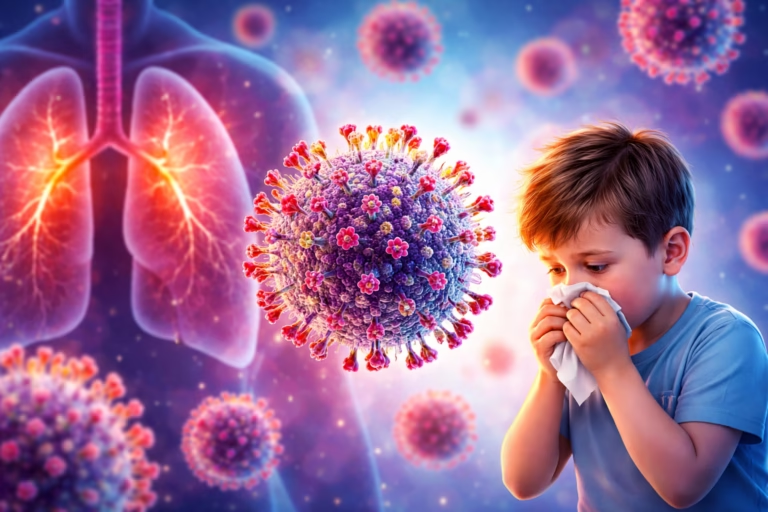
- Infectious disease outbreaks or pandemics
- Power outages and infrastructure failures
- Accidents, fires, or chemical exposures
- Acute medical emergencies (e.g., cardiac events, severe allergic reactions)
Causes and Risk Factors That Increase Emergency Impact
While emergencies themselves are often unpredictable, certain factors can increase vulnerability and worsen outcomes.
Individual-Level Risk Factors
- Chronic medical conditions (e.g., diabetes, heart disease, asthma)
- Physical or cognitive disabilities
- Advanced age or very young age
- Dependence on medical devices (e.g., oxygen, insulin pumps)
Environmental and Social Risk Factors
- Living in disaster-prone regions
- Limited access to healthcare services
- Socioeconomic barriers
- Lack of emergency planning or health literacy
Recognizing these risks allows for targeted preparedness strategies that protect the most vulnerable populations.
Symptoms or Clinical Presentation During Emergencies
Emergencies can trigger a wide range of physical and psychological symptoms, depending on the situation.
Common Physical Effects
- Injuries (cuts, fractures, burns)
- Dehydration or malnutrition
- Exacerbation of chronic illnesses
- Exposure-related conditions (hypothermia, heat exhaustion)
Psychological and Emotional Responses
- Acute stress or anxiety
- Panic reactions
- Sleep disturbances
- Post-traumatic stress symptoms in prolonged or severe events
Preparedness helps mitigate these effects by enabling faster response and access to care.
Diagnosis and Screening in Emergency Contexts
In emergencies, healthcare providers often rely on rapid assessment rather than extensive diagnostics.
Key components of emergency medical evaluation include:
- Primary surveys focusing on airway, breathing, circulation, and consciousness
- Quick review of medical history and medications, when available
- Triage systems to prioritize care based on severity
Preparedness measures, such as carrying a medical information card or digital health record access, can significantly aid accurate and timely diagnosis.
Treatment and Management Options
Treatment during emergencies focuses on stabilization, prevention of complications, and continuity of essential care.
Immediate Management May Include:
- First aid and basic life support
- Administration of essential medications
- Management of injuries or acute symptoms
- Referral to higher-level care when needed
Ongoing Management Considerations
- Maintaining access to chronic medications
- Monitoring for delayed complications
- Addressing mental health needs
- Coordinating follow-up care once normal services resume
Preparedness planning improves the efficiency and effectiveness of these interventions.
Prevention and Preparedness Strategies
Emergency preparedness is a preventive health measure. Evidence-based strategies include:
Personal and Household Preparedness
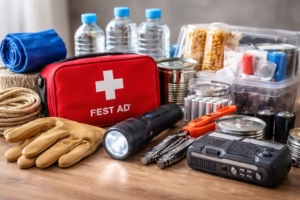
- Maintaining an emergency supply kit with:
- Water and non-perishable food
- First aid supplies
- Essential medications
- Copies of medical and insurance documents
- Knowing personal medical needs and allergies
- Learning basic first aid and CPR
Planning and Communication
- Establishing emergency contact plans
- Understanding local emergency alerts and evacuation procedures
- Identifying nearby healthcare facilities
Lifestyle and Health Maintenance
- Keeping chronic conditions well-managed
- Staying up to date with recommended vaccinations
- Engaging in regular health check-ups
Conclusion: Preparedness as a Health-Promoting Practice
Emergency preparedness is not about fear—it is about foresight. By understanding risks, recognizing potential health effects, and planning practical responses, individuals and families can reduce harm and protect health during unexpected events. From a medical perspective, preparedness saves lives, preserves continuity of care, and strengthens community resilience.
Being prepared is a shared responsibility that combines personal action with public health planning.
Medical Disclaimer
This article is intended for educational purposes only and does not replace professional medical advice, diagnosis, or treatment. For personalized guidance or concerns related to emergency preparedness and health conditions, consult a qualified healthcare professional or local health authority.