Diverticulitis: Understanding a Common Digestive Condition
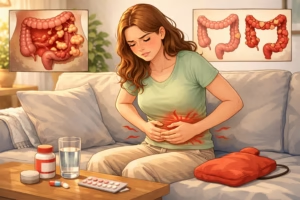
Diverticulitis is a digestive condition that affects millions of people worldwide, particularly as they age. While often confused with general stomach pain or bowel issues, diverticulitis has specific causes, symptoms, and treatments that are important to understand. This article provides a clear, evidence-based overview of diverticulitis in accessible language, helping readers recognize what it is, why it happens, and how it is typically managed.
Overview / Definition
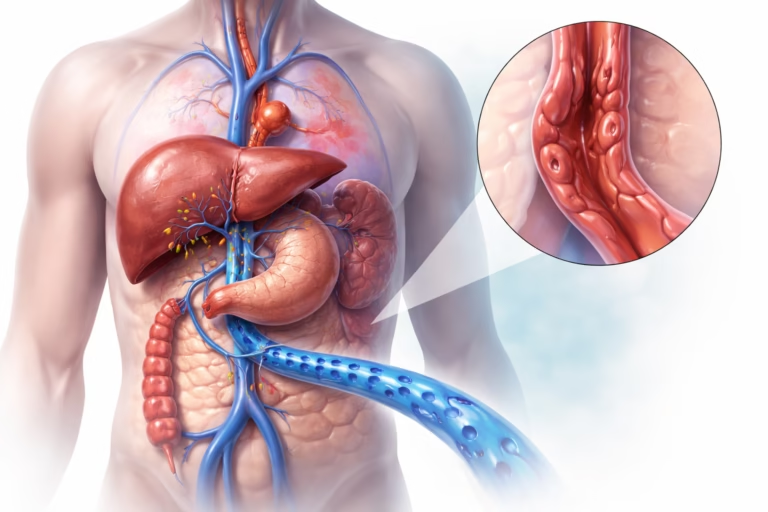
Diverticulitis is an inflammatory condition of the colon (large intestine) that occurs when small pouches, called diverticula, become inflamed or infected.
- Diverticula are small, bulging sacs that can develop in weakened areas of the intestinal wall.
- The presence of diverticula without inflammation is called diverticulosis, which is very common and often causes no symptoms.
- When one or more diverticula become inflamed or infected, the condition is known as diverticulitis.
Diverticulitis can range from mild and uncomplicated to severe and potentially life-threatening if complications develop.
Causes and Risk Factors
The exact cause of diverticulitis is not fully understood, but it is believed to result from increased pressure in the colon combined with weaknesses in the intestinal wall.
Common Risk Factors Include:
- Age (risk increases significantly after age 40)
- Low-fiber diet, which may lead to constipation and increased bowel pressure
- Obesity
- Physical inactivity
- Smoking
- Regular use of certain medications, such as:
- Nonsteroidal anti-inflammatory drugs (NSAIDs)
- Steroids
- Opioids
Genetic factors may also play a role in susceptibility.
Symptoms / Clinical Presentation
Symptoms of diverticulitis can vary depending on severity but often appear suddenly.
Common Symptoms:
- Persistent abdominal pain, often in the lower left abdomen
- Fever or chills
- Nausea and vomiting
- Changes in bowel habits (constipation or diarrhea)
- Abdominal tenderness or bloating
Warning Signs of Complications:
- Severe or worsening abdominal pain
- High fever
- Rectal bleeding
- Difficulty passing stool or gas
Complicated diverticulitis may lead to abscesses, bowel perforation, fistulas, or intestinal obstruction.
Diagnosis or Screening
Diverticulitis is typically diagnosed based on clinical evaluation and imaging studies.
Diagnostic Approaches:
- Medical history and physical examination
- Blood tests to look for signs of infection or inflammation
- CT scan of the abdomen and pelvis (most common and accurate tool)
- Ultrasound or MRI in selected cases
A colonoscopy is usually avoided during an acute attack due to risk of perforation but may be recommended later to rule out other conditions once inflammation has resolved.
Treatment or Management Options
Treatment depends on whether the diverticulitis is uncomplicated or complicated.
Uncomplicated Diverticulitis:
- Oral antibiotics in selected cases
- Temporary liquid or low-fiber diet during acute symptoms
- Pain management
- Outpatient care for stable patients
Complicated Diverticulitis:
- Hospitalization
- Intravenous antibiotics
- Drainage of abscesses if necessary
- Surgery in severe or recurrent cases
Management decisions are based on clinical guidelines, imaging findings, and patient stability.
Prevention and Lifestyle Considerations
While diverticulosis cannot always be prevented, the risk of diverticulitis may be reduced through lifestyle measures.
Helpful Preventive Strategies:
- Consuming a high-fiber diet rich in fruits, vegetables, whole grains, and legumes
- Staying well hydrated
- Engaging in regular physical activity
- Maintaining a healthy body weight
- Avoiding smoking
Current evidence does not support the need to avoid nuts, seeds, or popcorn, a recommendation once commonly given.
Conclusion: Key Takeaways
Diverticulitis is a potentially serious but often manageable condition involving inflammation of small pouches in the colon. While diverticulosis is common and usually harmless, diverticulitis can cause significant symptoms and complications if not properly treated. Early recognition, appropriate medical evaluation, and evidence-based management are essential. Long-term prevention focuses on healthy lifestyle habits, particularly adequate dietary fiber intake.
Medical Disclaimer
This article is intended for educational purposes only and does not replace professional medical advice, diagnosis, or treatment. Readers experiencing symptoms or concerns related to diverticular disease should consult a qualified healthcare professional for appropriate evaluation and care.
If you would like a follow-up article on diverticulosis vs. diverticulitis, dietary planning, or recovery after an episode, feel free to ask.